
West Bank children describe fear as Israeli raids increase
Children in Dheisheh refugee camp told Al Jazeera that repeated Israeli army raids have disrupted play, school and family life.
By Sofia Marchetti · World Affairs Correspondent
3 min read
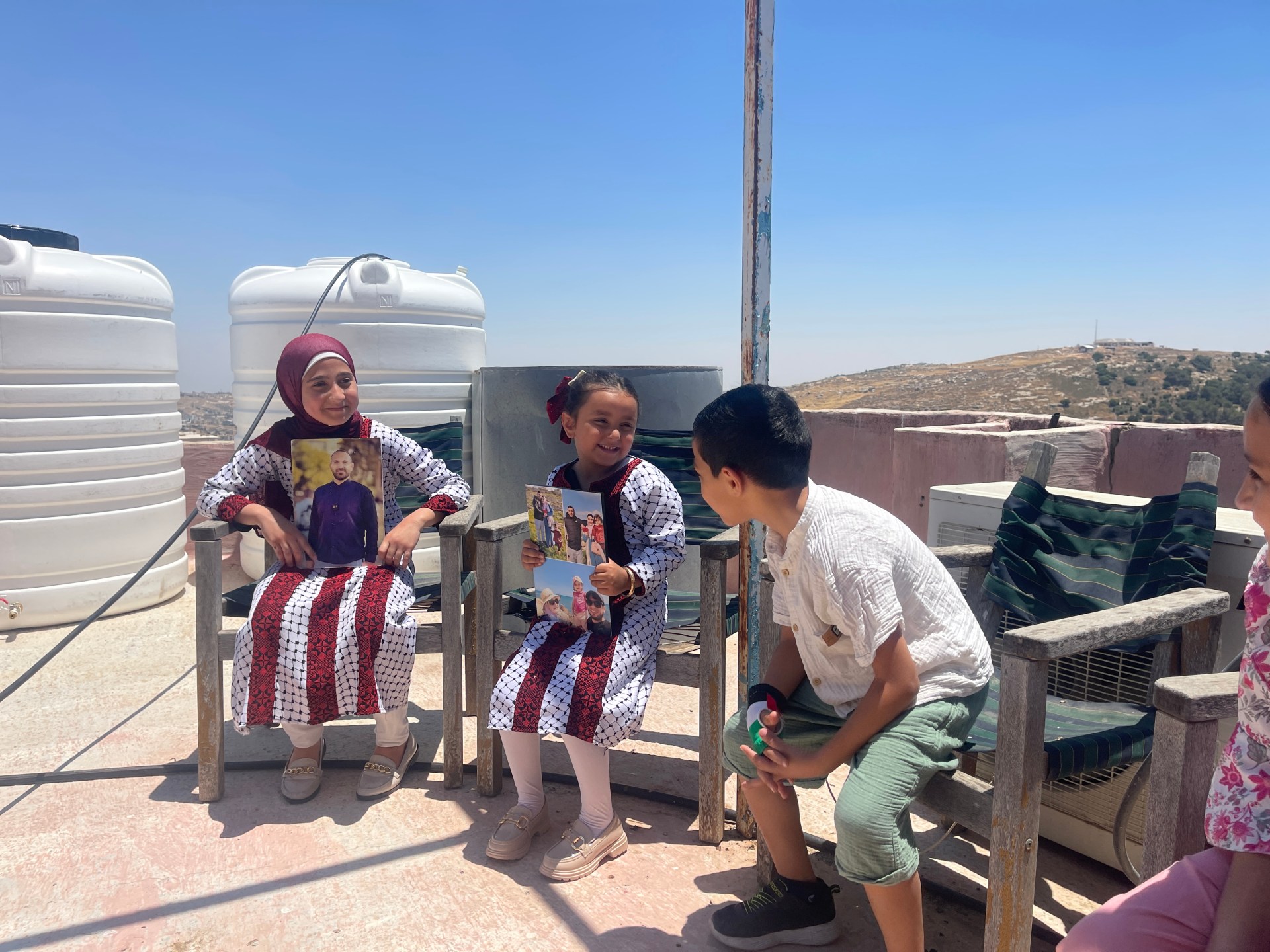
Children in a Bethlehem refugee camp say repeated Israeli military raids have turned ordinary routines into episodes of fear and confinement. Their accounts, reported by Al Jazeera from Dheisheh in the occupied West Bank, match findings from a new UN inquiry that says Palestinian children have faced escalating harm under Israeli occupation since October 2023.
In Dheisheh’s narrow streets, 14-year-old Yanal described a football game interrupted when Israeli soldiers entered the field, leaving children with nowhere to escape, according to Al Jazeera. Mustafa Abu Aliyah, 13, said he once ran into a raid while heading to his grandfather’s home and saw live fire and tear gas.
Mustafa’s sister, 12-year-old Diyar, said a recent incursion took place while she was in a piano lesson. She told Al Jazeera that army entries usually bring tear gas and often injuries or deaths, and said children in the camp cannot leave home without fearing harm.
The raids are frequent enough that children interviewed by Al Jazeera often could not place specific incidents by date. The UN Office for the Coordination of Humanitarian Affairs said Israeli forces conducted nearly 7,500 operations across the occupied West Bank in the first nine months of 2025, about 27 a day and 37 percent more than in the same period of 2024.
UN inquiry cites wider pattern
The UN’s Independent International Commission of Inquiry on the Occupied Palestinian Territory released a report Tuesday examining Israel’s treatment of Palestinian children in Gaza and the West Bank since October 2023. The commission said Israeli forces had killed at least 20,179 Palestinian children and wounded more than 44,000 across the occupied territory, with most casualties in Gaza.
The report said the deliberate targeting of children in Gaza formed part of genocide there. It also documented killings, mass arrests, torture, sexual violence and attacks on schools and hospitals, according to the commission.
In the West Bank, the inquiry reported a sharp rise in settler violence against children and killings by Israeli forces. It cited the January 2025 shooting death of a two-year-old girl, and said Palestinian children are sometimes held by Israel without access to a lawyer or notice to their parents, a separation the commission said can amount to enforced disappearance.
The commission also said 85 West Bank schools face demolition or stop-work orders, while others have been closed or attacked by soldiers and settlers. It described Israel’s occupation as a long-term system of domination, subjugation and oppression.
Psychologist describes continuous stress
Lemis Farraj, a psychologist and project coordinator at Shorouq in Dheisheh, told Al Jazeera the children face repeated shocks rather than a single event from which they can recover. She said their physical and mental health cannot be separated under those conditions.
The UN report described the condition as continuous traumatic stress, distinct from post-traumatic stress disorder because the threat remains present. Farraj said children she works with may startle at ordinary sounds, assume a raid has begun or lose skills they had already developed.
Five-year-old Khour Hammad, who lives near the older children, has also lived through raids, Al Jazeera reported. Her family said Israeli forces arrested her father, Osama Hammad, in July 2023 and her mother, Islam Amarna, last March.
Khour told Al Jazeera she woke during the raid that took her mother and at first thought her father had returned home. Instead, she found soldiers in the house, and said she felt sick when they tried to question her.
Farraj said trauma is also passed through generations of Palestinian families, including refugees whose displacement dates back to the Nakba in 1948. The UN report said Palestinian refugees are now in their fifth generation and carry both historical dispossession and current experiences of occupation.
This story draws on original reporting from Al Jazeera.