
Neo AI security funding round brings in $100 million
Neo launched from stealth with $100 million to help companies find and control AI agents running across employee computers.
By Daniel Okafor · Business Editor
3 min read
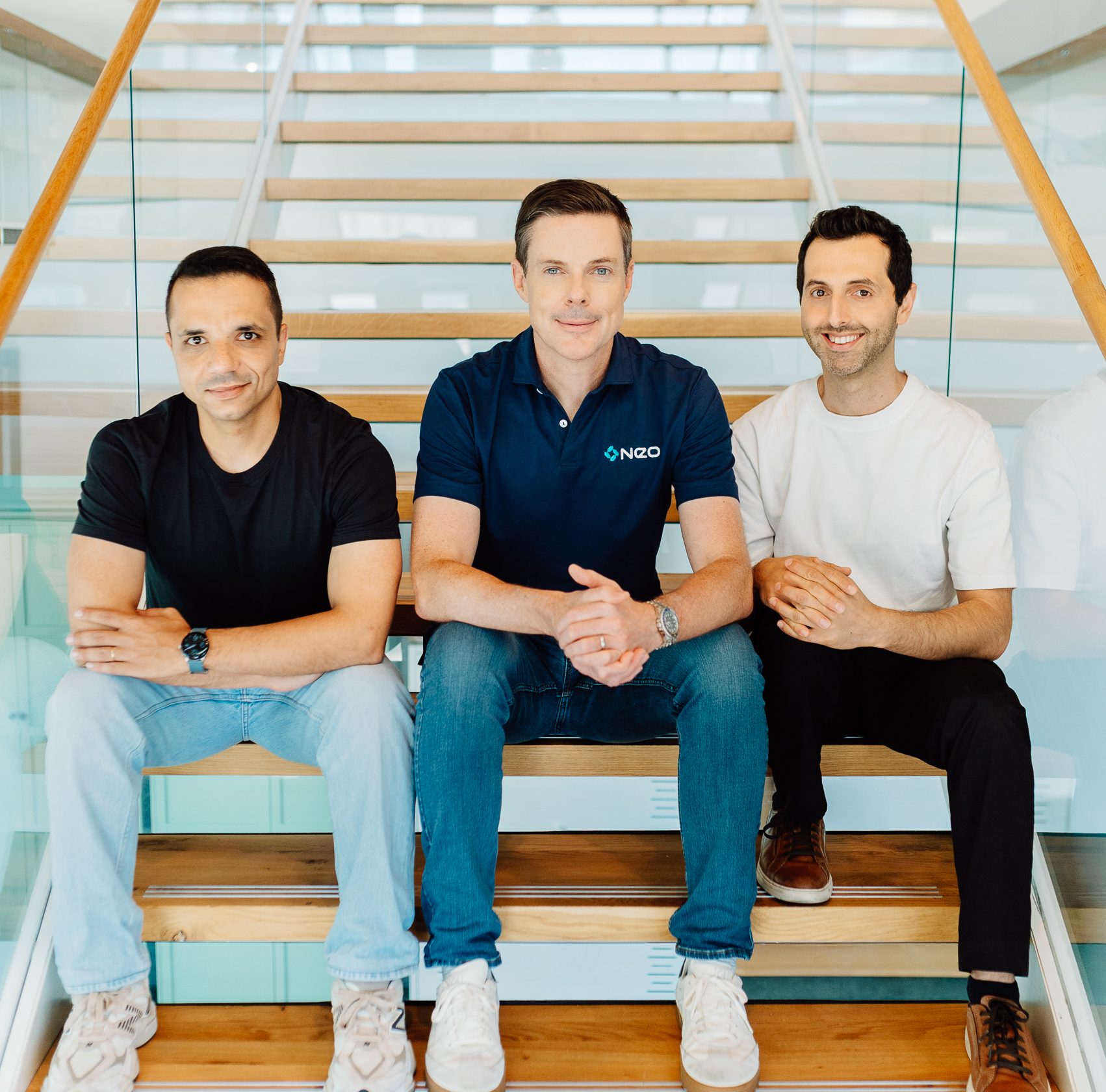
Neo launched from stealth with $100 million in seed and Series A financing to build security software for AI agents inside companies. The Neo AI security funding round matters because businesses are adding tools that can take actions across workplace systems, often faster than security teams can track them.
Fortune reported that Andreessen Horowitz and Bessemer Venture Partners backed the company. A company announcement said Andreessen Horowitz general partner Zane Lackey and Bessemer partner Elliott Robinson joined Neo’s board, with Craft and Merlin Ventures also investing.
Neo is led by CEO and co-founder Nick Warner, who previously served as chief operating officer at SentinelOne and helped take the cybersecurity company public in 2021, Fortune reported. His co-founders are Shlomi Salem, who led detection engineering and threat research at SentinelOne for more than a decade, and Eran Shirazi, who co-founded EasySend and previously ran a vulnerability research group in Unit 8200, Israel’s elite signals intelligence unit.
What does Neo's AI security software do?
Warner told Fortune that Neo has built endpoint software that runs where employees interact with AI tools. He said the product is designed to identify agentic software installed on a machine, check how each tool is set up and enforce rules governing what those tools may do.
An AI agent is software that can carry out tasks with some degree of autonomy, such as summarizing information, drafting messages or using other software tools. In a workplace, that can create a security problem when a tool that began as a limited assistant gains new abilities after it has already been approved.
Warner pointed to AI notetakers as an example, according to Fortune. A company may allow an app into meetings to record notes, but vendors can later add functions that let the same product draft follow-up emails, connect to other systems or call additional tools.
Warner said many companies lack visibility into that change over time. He told Fortune that customers are largely unable to see this new communication channel and are left trying to protect systems without enough information.
Why Neo says older security controls fall short
Warner told Fortune that many security teams had been focused on watching central channels where AI tools exchange data with other systems. He argued that approach is losing effectiveness because advanced models can directly call tools, operate computers and avoid monitored paths.
He also said older methods that look for unusual behavior are less useful for software that can reason and act in varied ways. In his view, tools with autonomous capabilities do not produce the kind of stable baseline that traditional detection systems rely on.
Warner told Fortune that addressing the problem required a fresh design rather than an extension of existing security products. He declined to provide financial metrics but said Neo is already deployed at companies in financial services, healthcare, insurance and manufacturing.
Warner said Neo’s prospects will depend on whether security teams find the product stable, easy to install and able to work with tools they already use. He told Fortune he expects the company to win supporters among cybersecurity practitioners if it meets those standards.
This story draws on original reporting from Fortune.