
IPO hype returns as investors chase SpaceX and AI names
Fortune reports that demand for blockbuster IPOs is being shaped by FOMO, first-day trading and the durability of companies’ equity stories.
By Daniel Okafor · Business Editor
2 min read
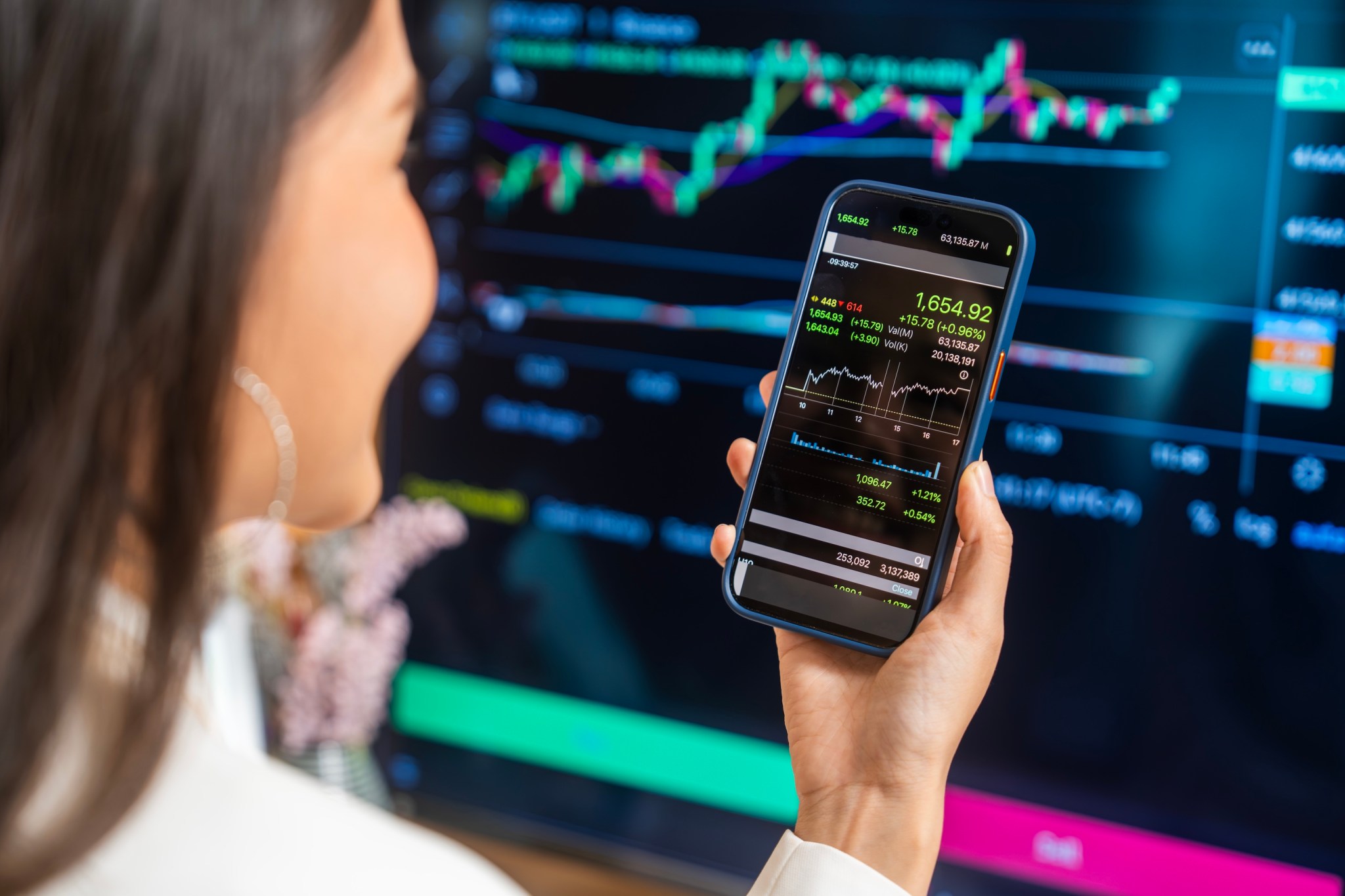
Investor appetite for blockbuster public listings has returned, with SpaceX and major artificial intelligence companies drawing attention from buyers who fear missing the next breakout stock, according to Fortune. The report says the rush matters because first-day demand can dominate the conversation even though IPO success depends on whether a company keeps investor confidence after trading begins.
In a Fortune feature, Amanda Gerut examined demand for offerings tied to SpaceX, Anthropic and, eventually, OpenAI. Gerut reported that part of the interest comes from investors looking back at Nvidia’s rise: a $10,000 investment in Nvidia a decade ago would be worth about $1.8 million today, according to Fortune.
That kind of comparison can shape behavior even among investors who usually follow a disciplined plan. Financial advisor Jeff Barnett told Fortune that some portfolios still make room for what he described as a “lottery ticket” trade to avoid missing a potential generational wealth event.
Fortune reported that SpaceX’s public debut drew more than 500 million shares in first-day trading. Gerut said that made it the second-busiest first day for an IPO on Nasdaq by volume, trailing Facebook’s 580 million shares in 2012.
The report also cautioned against treating opening-day trading as the whole story. Gerut wrote that investors who did not buy on day one may still get better chances later, based on market history.
First-day demand is only one test
For corporate finance chiefs, Fortune framed an IPO as more than a cash-out moment. The publication said CFOs spend months tightening the company’s pitch, refining performance measures and sounding out institutional investors before shares begin trading.
That preparation is meant to test whether the company’s investment case can survive public-market scrutiny, according to Fortune. A strong first-day move can bring attention, but the longer test is whether management can keep proving the story to shareholders over time.
The same issue affects investors on the other side of the transaction. Fortune said some buyers try to secure allocations in highly anticipated offerings, while professional investors also look for rules that help separate durable companies from deals driven mainly by enthusiasm.
Gerut’s analysis pointed to the gap between excitement around names such as SpaceX and the work required to judge an IPO after the first trading session. The report said that lesson applies both to investors deciding where to put capital and to companies preparing to raise it.
This story draws on original reporting from Fortune.