
Influencer marketing budgets rise as brands rely more on creators
A 2026 survey found 72.2% of respondents expect influencer spending to jump at least 50% as brands make creators central to ads.
By Daniel Okafor · Business Editor
3 min read
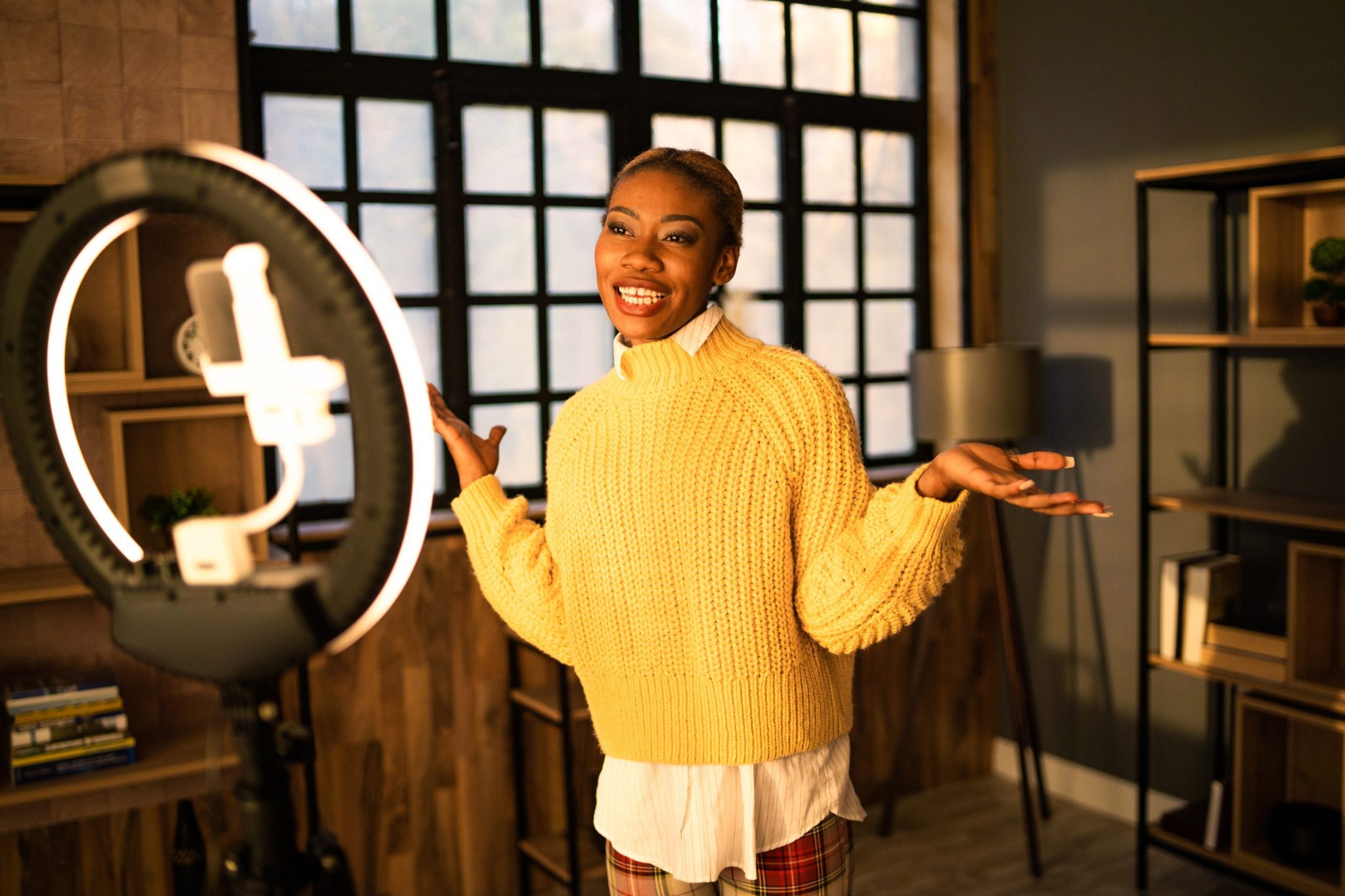
Influencer marketing budgets are set for a sharp increase as brands move creator partnerships from test campaigns into regular advertising plans. A 2026 Influencer Marketing Hub survey found 72.2% of respondents expect those budgets to rise by at least 50% this year.
The shift reflects a broader change in how companies try to reach consumers online. In this context, influencer marketing means brands working with creators whose videos, posts or reviews carry a product message to their own audiences.
Lia Haberman, a creator economy expert and author of the ICYMI newsletter, told Fortune that trust has moved toward individuals over institutions during the past two decades. She said corporate messages often fit less naturally into social feeds than posts from people users already follow, including friends, relatives, neighbors and community figures.
Why are influencer marketing budgets rising?
Brands are increasing spending because creators can make product recommendations feel closer to word of mouth than a conventional ad, according to Fortune’s interviews with marketing executives and creator economy specialists. Social platforms have also made it possible for creators with smaller followings to reach large audiences when their content performs well.
Bloom Nutrition shows how the model can be built into a company from the start. The wellness brand was founded by creators Mari Llewellyn and Greg LaVecchia, and Craig Heyne, its vice president of performance marketing, told Fortune that creator partnerships have been a major part of the company’s marketing mix.
Beauty, wellness and fitness helped prove the approach because their products fit easily into content people already watch, such as makeup tutorials, workout clips and “get ready with me” videos. Those formats can combine entertainment and product promotion without looking like a traditional commercial.
Heyne said Bloom tries to give creators space to speak in their own style rather than handing them rigid messages after a campaign is set. He told Fortune that audiences can detect when a recommendation feels forced.
He also said social platforms are giving creators of different sizes a better chance to find viewers. “It doesn’t matter if you have 1,000 followers or 100,000 followers. Great content gets served out to everybody,” Heyne told Fortune.
What changes as creator ads become mainstream?
As more companies use creators, the challenge is shifting from persuading brands to spend on influencer campaigns to helping creators stand apart. Lindsay Brillson, executive creative director at Pika, told Fortune that the standard will rise for creators who want to succeed, with originality and a clear point of view becoming more important.
Brillson said artificial intelligence is helping some creators speed up editing, scripting and production. She framed AI as a production aid rather than a replacement for creators, telling Fortune that people need to become more creative to succeed.
Growth brings a trust problem for the best-known online personalities. Haberman told Fortune that mega creators such as MrBeast and Alix Earle are becoming more like the institutions they once challenged.
That does not mean brands are expected to retreat from creator advertising. Haberman said the next phase is likely to favor recommendations from trusted specialists, subject-matter experts and employees rather than scale alone.
This story draws on original reporting from Fortune.