
Housing bill stalls as Trump demands voter citizenship measure
Congress passed a broad housing package with large bipartisan margins, but Trump has delayed signing it while pressing lawmakers on voting rules.
By Sofia Marchetti · World Affairs Correspondent
3 min read
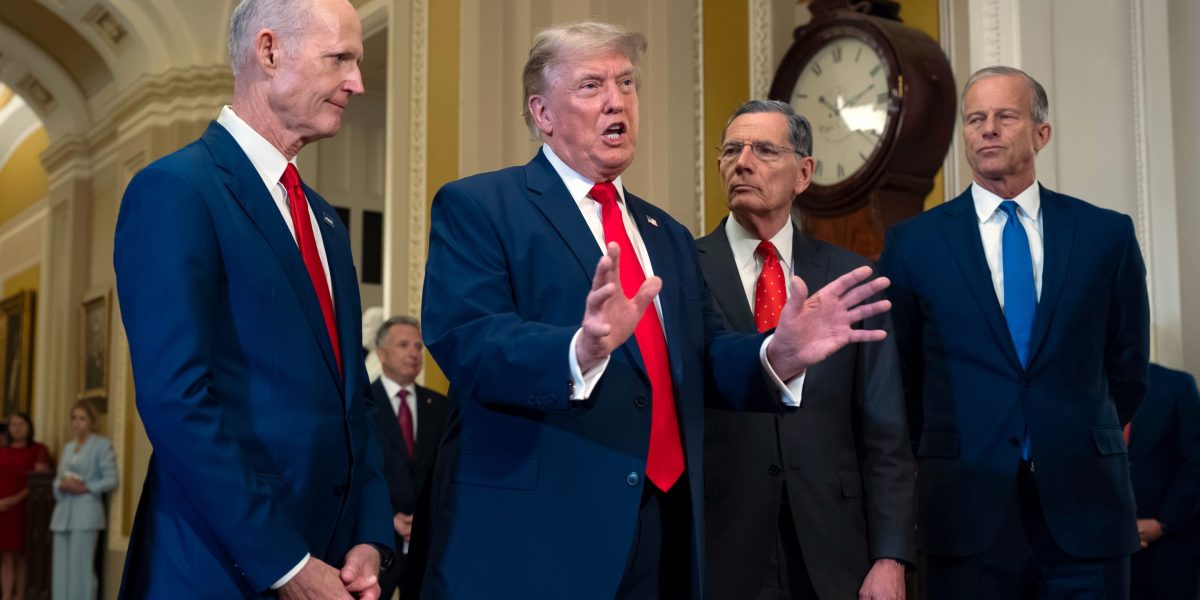
Congress has approved a broad housing package aimed at easing costs and encouraging more construction, but President Donald Trump has delayed its path into law, the Associated Press reported. The delay matters because the bill targets a housing shortage that economists and advocates say has kept both rents and home prices under pressure.
According to the AP, the White House had backed the 21st Century ROAD to Housing Act before Trump canceled a planned signing ceremony Wednesday. Trump said he would not sign the bill until Congress passes legislation requiring proof of citizenship for all voters, the AP reported.
The measure cleared Congress with unusually large margins. The AP reported that the House passed it 358-32 on Tuesday, after the Senate approved it 85-5 on Monday, support levels large enough to override a veto if lawmakers voted the same way again.
What the bill would do
The legislation combines dozens of housing proposals negotiated over several months, according to the AP. It would cut some federal rules, shorten environmental reviews, speed construction approvals and restrict corporate landlords’ ability to buy single-family homes.
The AP reported that the bill also seeks to expand supply by changing rules for manufactured homes, which are generally cheaper than other new homes. It would broaden access to government-backed loans for standalone rental units on homeowners’ properties and provide funding for communities that convert abandoned infrastructure into housing.
The package includes guidance for local governments looking to revise zoning rules that limit denser development, according to the AP. It also would expand rental assistance and affordable housing construction programs, raise limits on public housing renovation financing, add renter protections and put into law a recovery program for communities rebuilding after disasters.
Daryl Fairweather, Redfin’s chief economist, told the AP that the market needs more homes and fewer construction barriers. She said the legislation would not quickly lower costs, but could support more town homes, multifamily housing and accessory dwelling units in future years.
Why lawmakers acted
Housing costs have become a larger political issue as many renters and would-be buyers have struggled with affordability, the AP reported. The U.S. housing market has been weak since mortgage rates rose from pandemic-era lows in 2022.
Sales of previously owned homes were essentially flat last year at a 30-year low, according to the AP. Sales improved in May to the fastest pace since December, but remained near a 4 million annual rate, below a historical norm closer to 5.2 million.
Harvard’s Joint Center for Housing Studies found that U.S. home prices have risen 54% since 2020, the AP reported. The center also found that last year’s median existing single-family home price was almost five times the median household income.
Renters have seen limited relief, according to Realtor.com data cited by the AP. The median U.S. monthly rent has fallen for nearly three years, but in May it was still 17.2% above its pre-pandemic level.
What happens next
The AP reported that a delay would not immediately change local home prices because state and local governments control many construction rules, including zoning. Danielle Hale, Realtor.com’s chief economist, told the AP that even a quick signature would take time to affect builders’ plans and projects already in the pipeline.
House Speaker Mike Johnson said Wednesday that he had spoken with Trump and expected him to sign the measure, according to the AP. Johnson said he believed Trump would view the bill favorably after reviewing its details.
This story draws on original reporting from Fortune.