
Stripe cofounder says AI will reward graduates with broader training
John Collison says students who combine fields such as software and finance may stand out as AI changes entry-level work.
By Hana Yoshida · Markets Reporter
3 min read
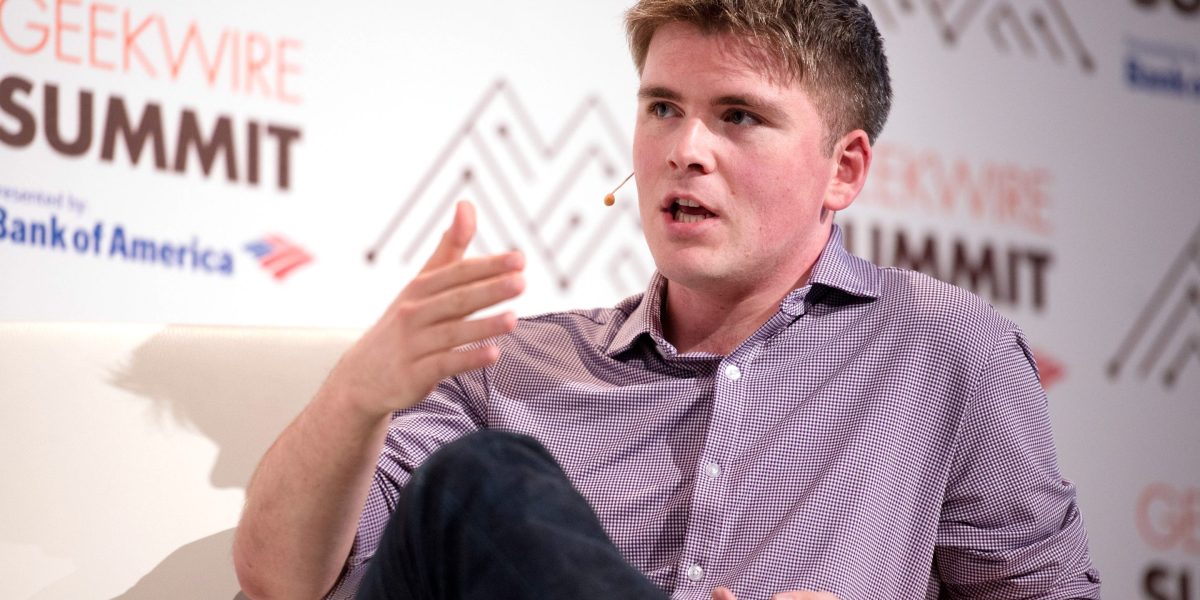
Stripe cofounder John Collison is urging young workers to build expertise across more than one field as artificial intelligence changes the early-career job market. On the TBPN podcast, Collison said students who pair disciplines such as software with finance or marketing could gain an edge because AI lets individuals take on work that once required larger teams.
Collison, who is president and cofounder of Stripe, said technical knowledge becomes more valuable when combined with another business function. He cited software plus finance, or software plus marketing, as combinations that could help a worker improve business systems and processes more directly.
“One person can do what would have taken 20 people,” Collison said on the podcast, referring to work spread across company systems. His broader point was that workers who can connect domains may be better placed than those trained in a single specialty.
Munger’s influence on the argument
Collison tied his view to Charlie Munger, the late Berkshire Hathaway vice chairman and longtime business partner of Warren Buffett. Collison said Munger had emphasized “the importance of being multidisciplinary.”
According to Collison, Munger believed people could develop a working grasp of many fields without needing to become specialists in all of them. Collison said books can help with that, and he added that AI tools can now also be used to learn across subjects.
Collison said he expects multidisciplinary thinkers to perform well as AI becomes more common in business. His argument adds to a wider debate among executives over whether narrow technical training is enough for new graduates entering a workplace where software can handle more routine tasks.
Other executives point to humanities and soft skills
Anthropic president and cofounder Daniela Amodei has also argued that broad education may become more valuable as AI improves. In an interview with ABC News earlier this year, Amodei said humanities study would become more important because it develops understanding of people, history and human behavior.
Amodei said AI models are already strong in STEM-related work, which makes communication, curiosity and emotional intelligence more valuable for workers. She told ABC News that critical thinking and the ability to work with other people would become more important in the future.
Microsoft chief scientist Jaime Teevan made a similar case to The Wall Street Journal. Teevan said skills such as flexibility, experimentation, critical thinking and the ability to challenge assumptions would matter, and she linked those habits to a traditional liberal arts education.
JPMorgan Chase CEO Jamie Dimon has also stressed skills beyond technical expertise. In an interview with Fox News’ Sunday Morning Futures, Dimon advised workers to build critical thinking, emotional intelligence, communication, writing and meeting skills, saying those abilities would help them find work as AI automates some entry-level roles.
Taken together, the executives’ comments point to a common theme: AI may raise the premium on workers who can combine technical fluency with judgment, communication and knowledge of other fields. Collison’s advice for students is the most direct version of that view: study more than one discipline, and use the combination to do work machines alone cannot define or prioritize.
This story draws on original reporting from Fortune.