
California union presses ahead with billionaire tax ballot measure
A SEIU local will keep a 5% billionaire wealth tax on California’s November ballot despite opposition from Gov. Gavin Newsom and allied groups.
By Hana Yoshida · Markets Reporter
3 min read
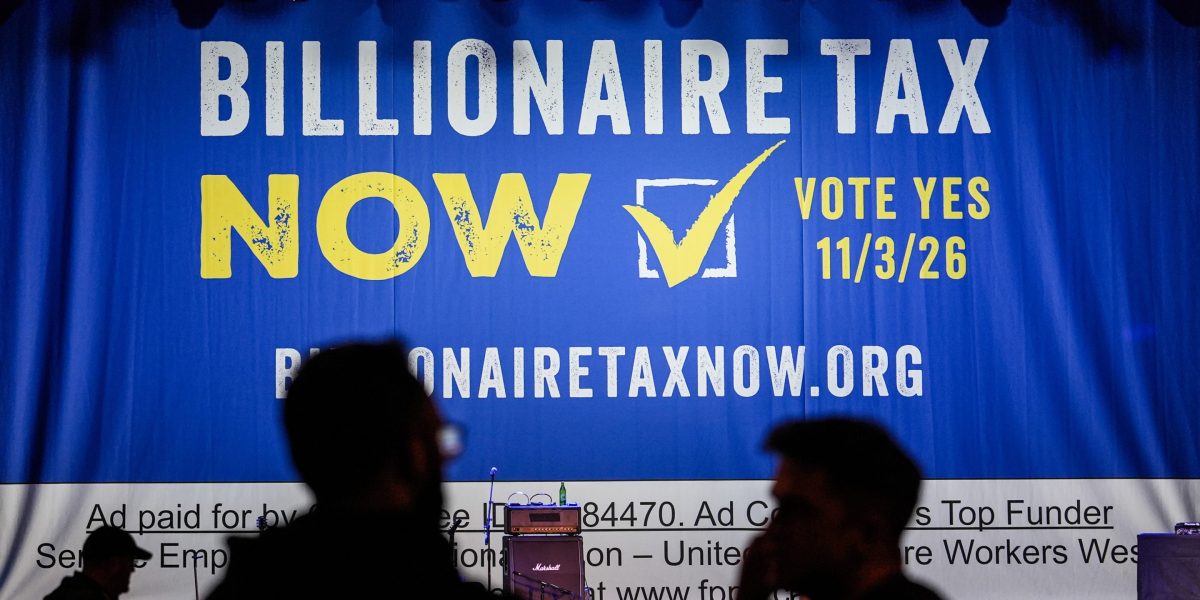
California voters will decide in November whether to impose a temporary wealth tax on billionaires, after the union behind the measure said Thursday it would keep the proposal on the ballot. The fight matters because supporters are pitching the tax as a way to shore up Medicaid funding after federal cuts, while opponents warn it could weaken California’s revenue base.
According to The Associated Press, the Service Employees International Union Healthcare Workers West is backing a one-time 5% tax on people with net worth above $1 billion who lived in California on Jan. 1, 2026. The union says the measure is intended to raise $100 billion, with most of the money directed to the state’s Medicaid system.
Union President Dave Regan said on a Zoom call that he was “all in” on the proposal, according to the AP. He also described critics of the tax as “totally out of touch.”
Gov. Gavin Newsom, a Democrat, opposes the measure, as do many groups that have often aligned with the union, the AP reported. Critics say the proposal would provide a short-term infusion of money for a continuing budget need and could prompt very wealthy residents to leave California, reducing future income tax collections.
Newsom, who is preparing to leave office in January and is considering a presidential run, has generally resisted tax increases during his governorship, according to the AP.
Opposition campaign takes shape
A coalition of health care, education and housing organizations formed last week to fight the measure, the AP reported. The California Medical Association and the California School Boards Association are among the groups in the coalition.
In a statement cited by the AP, the coalition said the wealth tax would threaten funding for schools, health care, public safety and infrastructure by making California’s finances more unstable.
Brian Brokaw, a Newsom political adviser who is leading a committee against the measure, said in a statement that the tax would worsen California’s problems. He argued that discouraging wealthy taxpayers from staying in the state would be poor policy and a bad trade for Californians, according to the AP.
The state would spend money raised by the tax over several years. The nonpartisan Legislative Analyst’s Office estimates the measure would bring in tens of billions of dollars in its first years, but later reduce personal income tax revenue by hundreds of millions of dollars a year, the AP reported.
California depends heavily on high earners. According to the AP, the top 1% of earners account for nearly half of the state’s personal income tax revenue.
Wealthy opponents spend heavily
The AP reported that several Silicon Valley tech figures who oppose the measure have moved assets to other states or threatened to do so to avoid the tax. Opponents have also spent millions of dollars trying to defeat it.
Since the proposal was announced in October, Google co-founder Sergey Brin has contributed $82 million to Building a Better California, a political committee supporting initiatives meant to weaken the billionaire tax proposal, according to the AP. The committee has raised more than $118 million, including Brin’s money, from fewer than a dozen donors.
The union floated a narrower version last week, asking Newsom to support a 2% tax on billionaires instead, the AP reported. The governor’s office said the lower rate did not change his opposition.
Martin Gilens, a political science professor at the University of California, Los Angeles, told the AP the proposal may appeal to many Democrats because affordability, inequality and federal reductions to government programs are prominent concerns. He also said support for ballot measures often falls as Election Day approaches, and that the tax would likely face legal challenges if voters approve it.
This story draws on original reporting from Fortune.