
Non-sponsors gain World Cup ad attention with faster, looser campaigns
Research firms say brands outside FIFA’s sponsor roster are drawing strong fan engagement through social posts, quick reactions and cultural tie-ins.
By Maya Lindqvist · Senior Technology Correspondent
3 min read
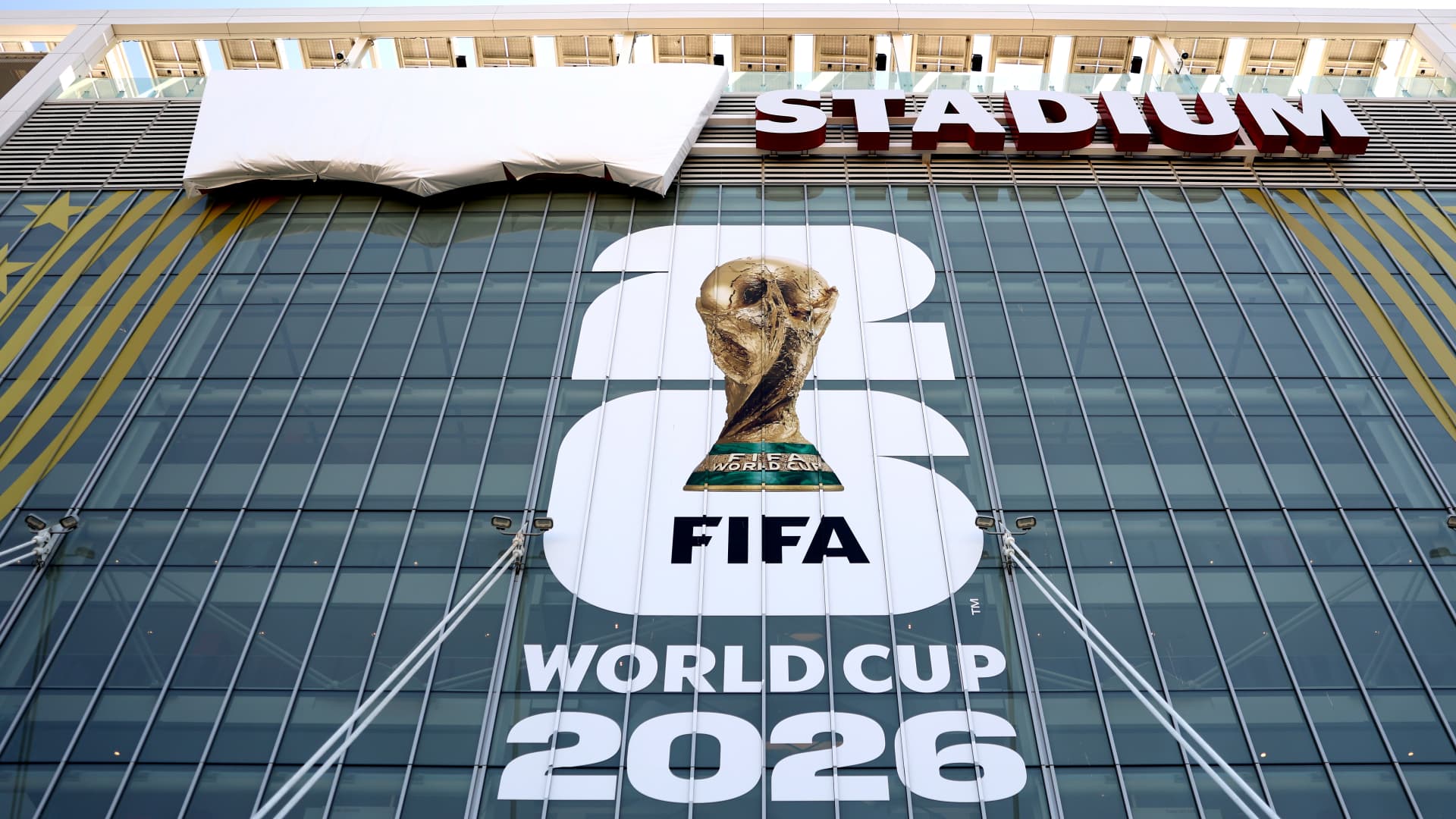
Brands without official World Cup sponsorships are drawing heavy attention around the tournament, according to marketing researchers, challenging the advantage normally held by FIFA partners. The trend could affect how companies weigh costly sports sponsorships against faster social campaigns tied to major events.
The 2026 World Cup is being played across the United States, Canada and Mexico. FIFA’s official sponsor list includes companies such as Adidas, Coca-Cola and Qatar Airways, while brands including Levi Strauss, Nike, Taco Bell, Lego and Buc-ee’s have gained attention without tournament sponsor status, according to CNBC.
WARC Media estimates global advertising tied to this World Cup will reach $10.5 billion. That would fall short of the roughly $12.6 billion spent around the 2018 tournament in Russia, according to the firm.
Sensor Tower said World Cup ad spending rose 42% from the prior week in the days before the opening match. The market intelligence firm said Taco Bell and Duracell had increased spending in recent weeks, while the 10 biggest World Cup advertisers by spending over the past three months were event sponsors or broadcast partners.
Engagement shifts toward outsiders
Meltwater said non-sponsor brand collaborations generated about 61 million engagements before the tournament, compared with about 33 million for official sponsors. The research firm said official sponsor ads had greater volume, but non-sponsor campaigns benefited from distribution and creative execution, with TikTok driving the most social engagement.
Since the tournament began, Meltwater said non-sponsor brands have drawn more than 57,000 social media mentions, compared with just over 43,000 for official sponsors. Meltwater CEO John Box told CNBC that brands can now capture major cultural moments without paying for official sponsorship if they can spot trends quickly and respond before attention moves on.
Meltwater said Coca-Cola and Adidas made up half of sponsor mentions before the tournament. In the 11 days before the first match on June 11, McDonald’s share of engagement rose from 2.6% to 23%, according to the firm.
Among non-sponsors, Lego accounted for 82% of the 50 most engaging non-sponsor posts across social platforms, Meltwater said. The firm said Lego’s World Cup campaign produced 12 times the average engagement of sponsor campaigns in the run-up to the tournament.
Nike, which is not an official tournament sponsor, has drawn more than 70 million YouTube views for a World Cup ad featuring Kim Kardashian, Travis Scott, LeBron James, Erling Haaland and Cristiano Ronaldo, according to CNBC. Adidas, an official sponsor, has about 7 million views for its ad featuring Timothée Chalamet, Lionel Messi and others, CNBC reported.
Levi’s turns a restriction into attention
Levi’s gained attention after its branding at the Santa Clara, California, stadium was covered because the company is not a FIFA sponsor, according to CNBC. The white covering still left the outline of the company’s well-known logo recognizable to fans, and the reaction spread across social platforms.
Kenneth Mitchell, Levi’s chief marketing officer, wrote on LinkedIn that the stadium restriction became the company’s most shared and commented-on post. Meltwater said Levi’s mentions rose 44% since the start of the tournament and engagement increased nearly fourfold after the company responded to the covered-logo moment.
Gillette used a similar restriction at a Massachusetts stadium by covering its logo in a way that resembled shaving foam, CNBC reported. New York University marketing professor Jared Watson told CNBC that some fans appear to reward brands that use cheeky tactics outside FIFA’s official structure.
Watson said fan frustration with soccer’s commercialization has helped some of those campaigns. FIFA said in December that three-minute hydration breaks at the tournament were meant to protect player welfare and improve playing conditions, though CNBC reported that some fans criticized the breaks as unnecessary and ad-friendly.
Northwestern University marketing professor Kelly Cutler told CNBC that marketing with a human, emotional appeal may stand out at a time when consumers are sensitive to artificial intelligence in media. She said younger consumers are often alert to sales pitches, which could make looser, fan-centered campaigns more effective.
This story draws on original reporting from CNBC.