
Kalshi ends Trump Jr. advisory role after Polymarket investment
Kalshi and Donald Trump Jr. ended his advisory role after 1789 Capital invested in rival Polymarket, while its CEO separately called the ties an optics issue.
By James Whitfield · Staff Writer
2 min read
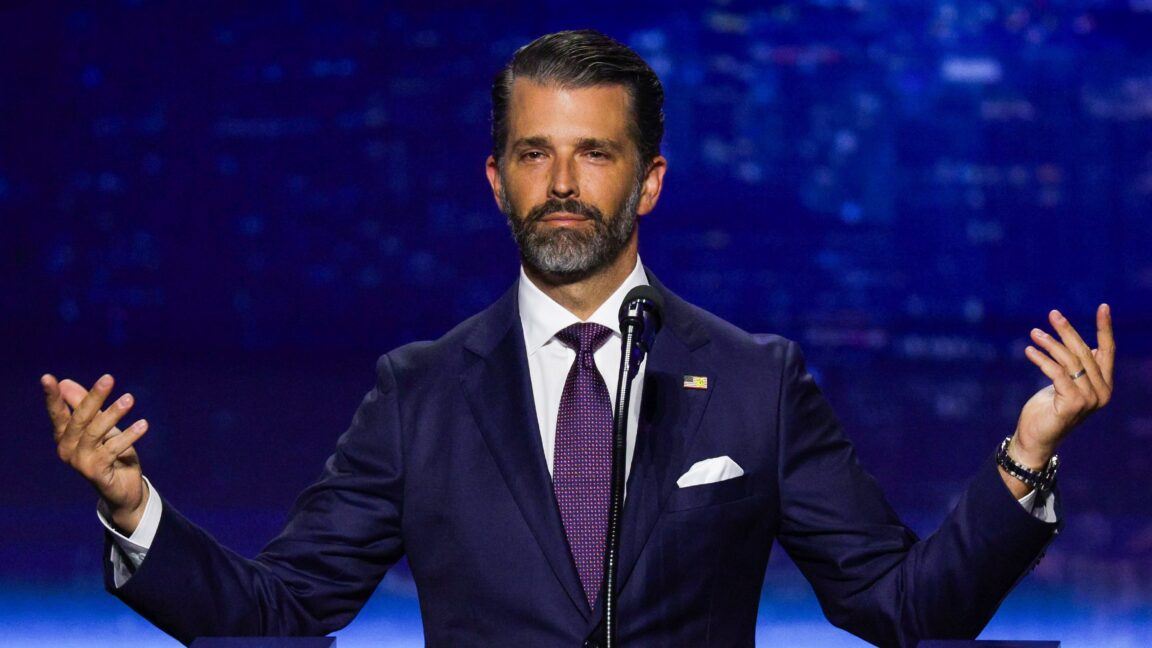
Kalshi ends Trump Jr. advisory role after his venture firm, 1789 Capital, made a significant investment in rival prediction-market operator Polymarket. Kalshi said the decision was mutual and cited the investment, while CEO Tarek Mansour had separately described Trump Jr.'s relationship with the company as an “optics issue.”
“We have mutually agreed to end Don’s advisory role after his firm’s significant investment in a competitor this past summer,” Kalshi spokesperson Dani Lever said in a statement reported by MS NOW. Lever said the company appreciated Trump Jr.'s early marketing work.
Why did Kalshi end Trump Jr.'s advisory role?
Kalshi's public statement pointed to 1789 Capital's investment in Polymarket, without characterizing the move as politically motivated. A person familiar with the decision told MS NOW that talks about ending the arrangement started in August after the Polymarket investment, and that Kalshi officials and Trump Jr. discussed the investment and his position on Polymarket's advisory board during the fall.
That person said the sides concluded that his advisory positions with the two competing companies created a conflict of interest. Ars Technica separately reported that a Kalshi spokesperson said both parties recognized that advising two competitors was complicating matters.
Trump Jr. joined Kalshi as a strategic adviser in January 2025, according to Ars Technica. He had also served on Polymarket's advisory board, while 1789 Capital had invested in Polymarket, MS NOW reported.
What did Kalshi's CEO say about the relationship?
In an October interview with MS NOW, Mansour said the relationship raised an “optics issue.” He also said Kalshi had not used Trump Jr. to seek favor from federal regulators; that was Mansour's account, not an independently established finding.
Mansour said Trump Jr.'s work for Kalshi focused on marketing and on helping people understand prediction markets. Ars Technica reported that Mansour said there had been no policy or regulatory involvement in Trump Jr.'s role.
Prediction markets offer products commonly known as event contracts, according to the Commodity Futures Trading Commission. Many use yes-or-no outcomes and a fixed payout, and the CFTC says a contract's price reflects traders' perceived likelihood of the event.
The split leaves Trump Jr. without the Kalshi advisory post but does not establish that political optics caused the decision. Kalshi's stated reason was 1789 Capital's investment in a competing platform; Mansour's comments about public perception came separately.
This story draws on original reporting from Ars Technica.