
Asian elephant social networks fractured after losses in Sri Lanka
A 12-year study found female elephant communities became smaller and more isolated after losses outpaced arrivals at a Sri Lankan park.
By Maya Lindqvist · Senior Technology Correspondent
3 min read
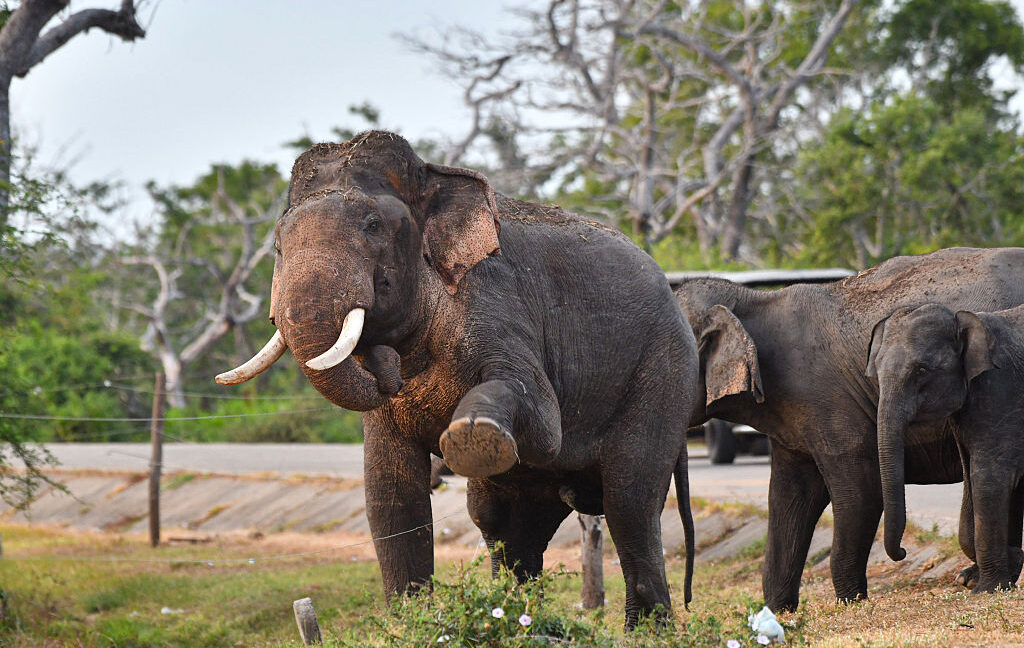
Asian elephant social networks at Sri Lanka’s Udawalawe National Park became smaller and more isolated after losses began exceeding arrivals, researchers reported. The finding matters because the remaining elephants also changed their relationships, suggesting the social shift was more than a straightforward result of a smaller population.
According to Ars Technica, Anastasia Madsen of the University of California, San Diego, and colleagues tracked 443 identified adult and subadult female elephants from 2007 through 2018. The researchers limited the network analysis to females because males tend to live more solitary lives and travel more widely in search of mates.
Why did the elephants’ social networks fragment?
The team built a network for each year from how often pairs of elephants were observed together, then used an algorithm to identify communities with stronger internal associations. Around 2012, the number of animals that died or left the observed population began to exceed the number of newcomers, Ars Technica reported.
After that point, the communities did not only decline in size. They became more numerous and more separated from one another. By 2018, about 69% of the females seen at the start of the work were no longer present, although the observations could not distinguish every death from permanent emigration.
The researchers tested whether the pattern could be explained solely by fewer animals producing fewer possible connections. They examined 59 females recorded in every year of the study and found that their associations changed as well; the network fragmentation among those residents appeared one to three years after the population decline began.
What may have changed at Udawalawe National Park?
Shermin de Silva, the study’s senior author, linked the population pressure to diminishing forage. The park’s grassland expanded after people who had farmed there were moved out, but vegetation later regrew and invasive lantana spread through some areas, reducing accessible food, according to Ars Technica.
Researchers suspect that the loss of certain well-connected animals may have weakened links between groups, but the study did not establish that as a cause. They also reported that weak associations disappeared first. Such ties may help carry information between communities, the team argued, though their specific role remains an interpretation rather than a demonstrated result.
Some network measures fluctuated before the social structure broke apart, a pattern the researchers called “flickering.” Madsen said long-term monitoring of those changes could potentially give conservation managers an early signal of trouble, but the report notes that comparable long-term data are missing for many elephant populations.
What are the limits of the finding?
The evidence comes from one wild population and is observational, so it does not prove that forage loss, departures or the loss of particular elephants caused the shift. The data also end in 2018. De Silva told Ars Technica that conditions had not improved afterward, citing poor calf survival and an apparent faster-than-expected population decline, but no post-2018 figures were provided in the report.
This story draws on original reporting from Ars Technica.