
Data centers cut electricity costs, but AI buildout may threaten gains
EPRI research says data centers lowered power prices through 2024, but AI overbuilding could reverse the effect if demand disappoints.
By Daniel Okafor · Business Editor
3 min read
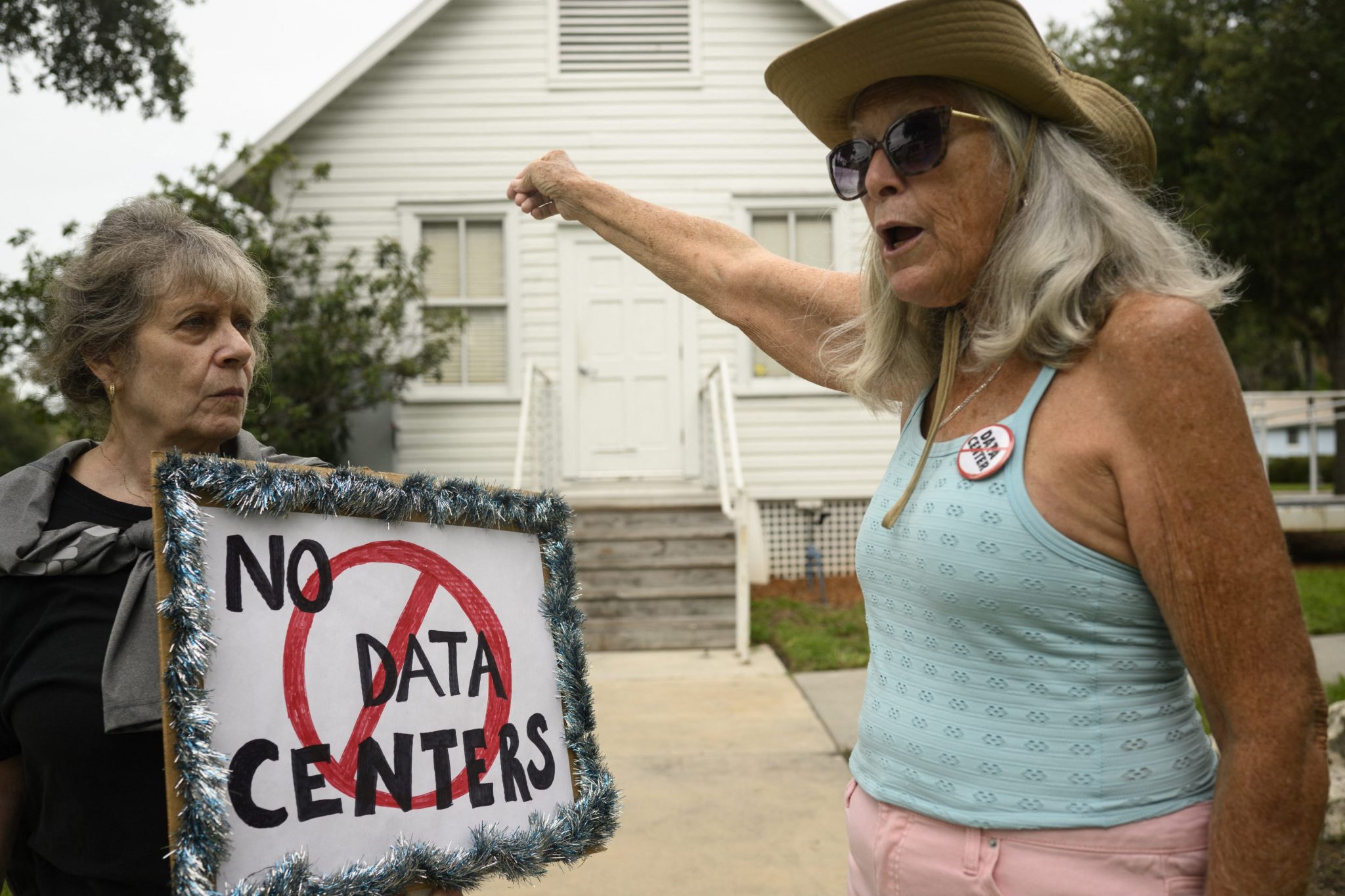
Data centers electricity costs have become a local flashpoint as AI companies race to add computing capacity, but new research says the relationship has not been as straightforward as many consumers fear. A working paper from the Electric Power Research Institute found that data center growth was linked to lower average retail electricity prices through at least 2024.
The EPRI researchers used Federal Energy Regulatory Commission data and U.S. Energy Information Administration retail revenue figures from 2015 through 2024. They found that each doubling of data center capacity was associated with a 3.5% decline in average retail electricity prices, and about a 6% decline at the state level.
That finding cuts against widespread expectations. A YouGov poll conducted last year found that more than two-thirds of 1,000 Americans surveyed expected a local data center to push power prices higher. Goldman Sachs also projected earlier this year that the AI infrastructure buildout would raise electricity costs by 6% from 2026 to 2027, followed by another 3% increase by 2028.
Will data centers raise electricity bills?
The answer depends on whether new electricity demand keeps pace with the grid and data center capacity now being built. EPRI researcher Asa Watten, a coauthor of the working paper, told Fortune that power markets differ from many commodity markets because rates are based heavily on recovering fixed costs across the amount of electricity sold.
In practical terms, more kilowatt-hours can spread fixed costs over a larger base, reducing the cost per unit. Higher demand can also bring more generators online, including newer and more efficient power sources, according to the research.
That pattern could break if utilities and grid operators build for AI demand that does not arrive. Watten told Fortune that if the grid adds capacity in expectation of large data center usage and that demand falls short, fixed costs would be spread across fewer customers than planned, creating pressure for higher prices.
There are already signs that the next phase could be more expensive. PJM, the largest U.S. power grid operator, projected this week that consumer electricity costs could rise by $6.3 billion over the next three years, with most of the increase tied to greater data center power demand.
Data center construction is expected to reach $7 trillion in spending by 2030, according to McKinsey. In Virginia, which has more data centers than any other state, residential electricity prices have risen by more than 13% over the past year, according to EIA data.
Investor doubts about AI spending have also sharpened. CNBC reported that Tesla and Alphabet shares fell Thursday after both companies announced higher AI capital expenditures. On the All-In podcast this week, investor Mark Cuban warned that many data centers could be repurposed if AI adoption grows but efficiency gains reduce the need for all the capacity now being built.
Watten also pointed to a more favorable possibility. He told Fortune that broader electrification, including electric vehicles and heat pumps as well as data centers, could lower household energy costs if managed well, because greater use of the grid can spread costs and improve efficiency.
This story draws on original reporting from Fortune.