
CLARITY Act delay dims crypto bill prospects amid Trump ethics fight
Senate timing and a dispute over Trump-linked crypto profits have weakened prospects for a major digital asset regulation bill.
By Daniel Okafor · Business Editor
3 min read
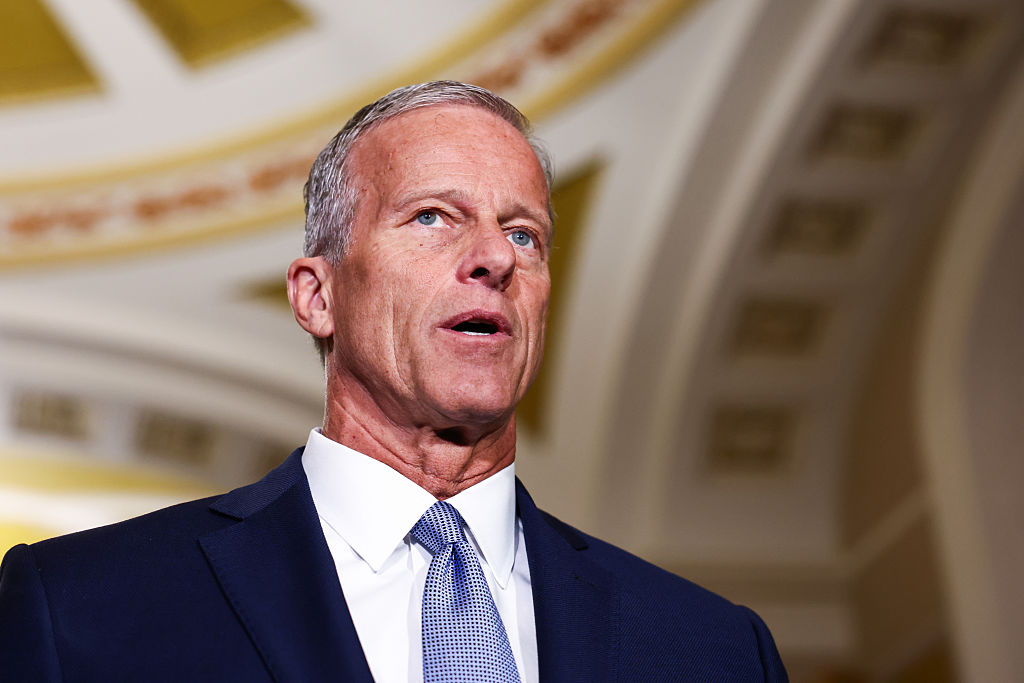
The CLARITY Act delay has clouded the crypto industry’s push for a federal rulebook on digital assets after Senate Majority Leader John Thune told reporters he did not expect a vote before the August recess. Fortune reported that the setback leaves supporters with a shorter and more politically difficult window before the current Congress ends in early January.
The bill has been a top priority for crypto companies for roughly 18 months. It is intended to give digital assets a clearer regulatory structure and move blockchain-based tokens further into the mainstream financial system.
Industry advocates had expected progress after negotiations with banks and lawmakers skeptical of crypto produced a series of compromises, Fortune reported. Thune’s comments changed those expectations, raising the risk that election-year politics and other Senate business could crowd out the measure.
Why is the CLARITY Act delayed?
The biggest dispute now centers on President Donald Trump’s crypto ties. Fortune reported that the Trump family has made more than $2 billion through memecoin sales and other crypto deals, prompting Democrats to press for ethics language in the legislation.
Democrats have argued that the bill should include restrictions aimed at preventing elected officials from profiting from crypto activity, according to Fortune. Trump had signaled opposition to such limits, and Republicans initially appeared resistant, but a newer draft included provisions meant to address profits by elected officials.
Critics of that draft said the language appeared to leave substantial exceptions, Fortune reported. The exact text, including any ethics provisions, remained unsettled, and the formal process had stalled for the time being.
What would the CLARITY Act do?
The CLARITY Act would establish a more predictable federal framework for digital assets. Its core goal is to clarify how blockchain networks and digital tokens are treated by financial regulators, an issue the crypto industry says has held back investment and product development.
Fortune reported that the central parts of the bill have support from both parties. The problem is no longer limited to the substance of crypto regulation; it now includes political fights over Trump, corruption allegations and election messaging.
Ron Hammond, head of policy and advocacy at crypto firm Wintermute, told Fortune that Senate Minority Leader Chuck Schumer has directed Democrats to focus midterm messaging on Trump and alleged corruption. Hammond said that makes it harder for Democrats to support a crypto bill tied to an ethics dispute.
Hammond also told Fortune that the delay reflected a successful effort by banks and other crypto opponents to extend the debate and slow the bill’s momentum. Even so, he said the measure could still pass after the elections if politics cools: “The votes are there, but the election politics are louder. The latter will dissipate after November and that’s a narrow but very possible window.”
Prediction market pricing has turned against the bill. Polymarket showed the chance of passage this year at about 37% on Friday, Fortune reported, down from levels above 80% at points in the spring.
The Senate also faces other major work before the Congress ends, including government funding and defense measures. If those issues take priority after November, the crypto bill could run out of time.
The election could also change the math for crypto legislation. Fortune reported that Democrats may have a chance to retake the House and gain seats in the Senate, which could reshape the next round of negotiations over digital asset rules.
This story draws on original reporting from Fortune.