
Carnegie’s wealth warning returns as billionaire fortunes swell
A Gilded Age argument for giving fortunes away during life is back in focus as wealth concentration rises and major donors test its limits.
By Daniel Okafor · Business Editor
3 min read
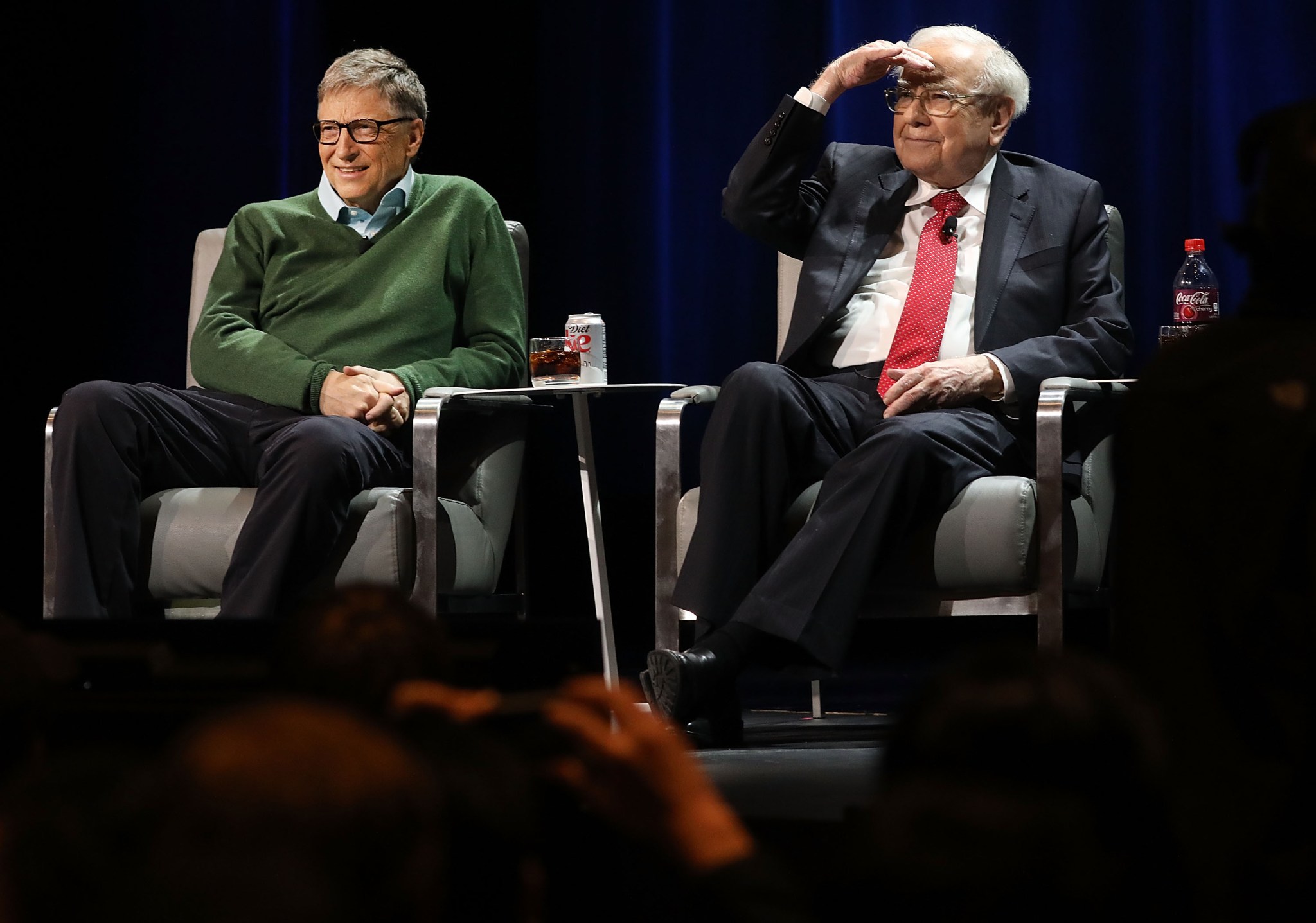
Andrew Carnegie’s 1889 case for giving away great fortunes before death is drawing renewed attention as U.S. wealth becomes more concentrated and billionaire philanthropy faces new scrutiny. The steel industrialist’s warning that “the man who dies thus rich dies disgraced” framed surplus wealth as an obligation to be settled during life, not left for heirs or institutions to handle later.
Carnegie made that argument in The Gospel of Wealth, where he described the rich as trustees of their money and urged them to distribute excess fortunes while they could still judge the results. His position was direct: leaving wealth to children or to posthumous administration was a poor substitute for personal action.
The debate now has a modern edge because inequality has again reached levels associated with America’s Gilded Age. Federal Reserve data show the richest 0.1% of Americans hold more than 14% of national wealth, the highest share in the Fed series that begins in 1989.
Economists Emmanuel Saez and Gabriel Zucman, in a 2014 paper reconstructing U.S. wealth concentration back to 1913, estimated that the top 0.1% held about 22% of national wealth near the early 20th-century peaks. Nobel laureate Paul Krugman has described the present period as a “hyper-gilded age,” placing it in the same broad comparison as Carnegie’s era.
Carnegie’s model was direct and hard to reverse
Carnegie did more than write about philanthropy. Before his death in 1919, he gave away about $350 million, roughly 90% of his fortune, and financed 2,509 libraries along with Carnegie Hall and Carnegie Mellon University.
Measured by a straight inflation calculation, that $350 million equals about $6.8 billion today, according to an inflation estimate cited in the public record. The University of Missouri has estimated Carnegie’s fortune at as much as $500 billion when measured as a share of gross domestic product, a comparison that would place him among the wealthiest people in the world today.
That scale matters because Carnegie’s standard was far more demanding than many modern pledges. Bill Gates and Warren Buffett have credited Carnegie’s essay as an inspiration for the Giving Pledge, the 2010 initiative asking billionaires to promise at least half their wealth to charity during life or at death.
Carnegie’s approach differed on both timing and amount. He argued for disposing of nearly all surplus wealth during the donor’s lifetime, while the Giving Pledge permits half, allows bequests after death and can depend on foundations or other long-running structures.
Modern fortunes complicate the pledge model
The Bill & Melinda Gates Foundation includes a plan to close 20 years after Gates’s death, according to its structure, but it would still operate after he is no longer able to oversee its choices. That is the kind of administrator-led giving Carnegie criticized in principle.
Buffett has donated more than $60 billion since 2006, but his Berkshire Hathaway stake kept growing rapidly enough that he later said his original plan was not feasible and set a target to fully divest by 2034. MacKenzie Scott has also given billions, while the value of Amazon shares she received in her divorce from Jeff Bezos has helped keep her net worth from falling as much as her donations might suggest.
Peter Thiel has taken a different position from Carnegie’s. Fortune has reported that Thiel urged billionaires to leave the Giving Pledge, called it an “Epstein-adjacent, fake boomer club,” and pressed Elon Musk to abandon his own commitment.
Carnegie’s argument was that lifetime giving let the wealthy decide how their fortunes would be used before politics, family claims or public resentment took over. In today’s debate, that warning sits beside a practical problem he anticipated: the longer a fortune compounds, the harder it becomes to give it away.
This story draws on original reporting from Fortune.