
Zimbabwe lithium beneficiation push tests smaller miners
Zimbabwe’s curbs on raw mineral exports have drawn lithium investment, but smaller miners say finance, power and processing access remain obstacles.
By Daniel Okafor · Business Editor
3 min read
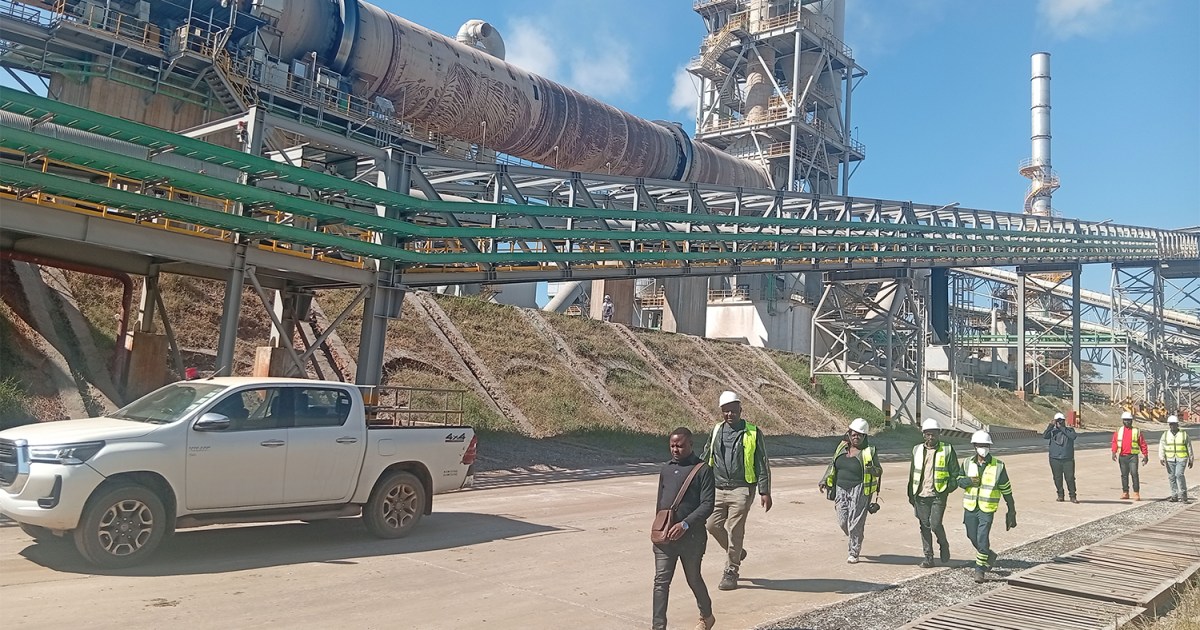
Zimbabwe lithium beneficiation is moving from policy to industrial projects as the government restricts exports of unprocessed strategic minerals, including lithium. The shift has helped draw more than $1bn into the lithium value chain, according to government officials and industry representatives, but smaller miners say the new rules could shut them out without cheaper finance and shared processing capacity.
The government says Zimbabwe should earn more from its mineral deposits by processing them at home rather than exporting raw ore for refining and manufacturing abroad. The policy is part of a broader effort to build domestic industries around minerals that officials describe as finite national assets.
What is Zimbabwe trying to do with lithium beneficiation?
Beneficiation means adding value to minerals before export, such as processing ore into lithium sulphate or lithium carbonate instead of selling it in raw form. In Zimbabwe’s case, officials say the longer-term aim is to develop local capacity for products such as lithium batteries and solar panels.
Polite Kambamura, the minister of mines and mining development, said during a July 17 technical media tour at Prospect Lithium Zimbabwe in Goromonzi that the country’s 2022 ban on exports of unbeneficiated lithium ore had encouraged companies to invest in local processing. He said Zimbabwe was now hosting what he described as Africa’s first lithium sulphate plant.
Prospect Lithium Zimbabwe, owned by China’s Zhejiang Huayou Cobalt, said its lithium carbonate plant was about 90 percent complete. Patience Mushore, the company’s public relations officer, said Huayou’s investments had generated more than $1.1bn in foreign exchange for Zimbabwe while expanding the country’s lithium value chain.
Public policy expert Tedious Ncube said the lithium sector showed why the government had put beneficiation at the centre of its mining strategy. He cited Arcadia Mine and Bikita Minerals as examples of investment in the sector and said domestic processing could support skilled jobs, local suppliers and a larger retained share of mineral income.
Why are smaller miners worried?
Smaller producers say they support local processing but lack the capital and infrastructure needed to build their own plants. Shelton Lucas, business development director at Naivo Mining, said the company has chrome, antimony and tungsten projects in Mashava, Ngezi and Kadoma, but struggles to access affordable processing options.
Lucas said small chrome producers are forced to sell raw material to local Chinese smelters and receive low prices. He said Naivo Mining has resources to build an antimony value-addition plant, but a chrome processing facility is too expensive.
Lucas proposed toll-smelting, in which public bodies or industry groups would invest in shared plants that miners could use at transparent rates while keeping ownership of their minerals. He warned that if a few companies control processing capacity and export rights, they could set prices for small-scale miners and weaken the empowerment goals of the mining sector.
What could slow the policy?
Chenayi Mutambasere, a United Kingdom-based Zimbabwean economist, told Al Jazeera that the policy faces practical barriers, including electricity shortages, expensive finance, weak transport links, foreign exchange constraints and limited access to processing technology.
Mutambasere said the export restrictions need reliable power, investor incentives, skills development and clear timelines. She warned that abrupt limits, before support systems are in place, could push more mining activity underground and increase mineral leakage.
Nick Mangwana, permanent secretary in the Ministry of Information, Publicity and Broadcasting Services, told Al Jazeera that the government wants the policy to grow the economy and leave a legacy for future generations. He said the approach covers lithium and other strategic minerals, including platinum group metals such as palladium, rhodium, ruthenium, iridium and osmium.
Zimbabwe’s plan now turns on whether processing rules can build domestic industry while giving smaller miners a route into the market. For those producers, the issue is less whether minerals should be processed locally than whether the benefits will extend beyond the largest companies.
This story draws on original reporting from Al Jazeera.