
Yemen oil exports resume plan faces security and market tests
Yemen says oil exports can restart after a late-2022 halt, but analysts warn ports, pipelines and insurers remain key obstacles.
By James Whitfield · Staff Writer
3 min read
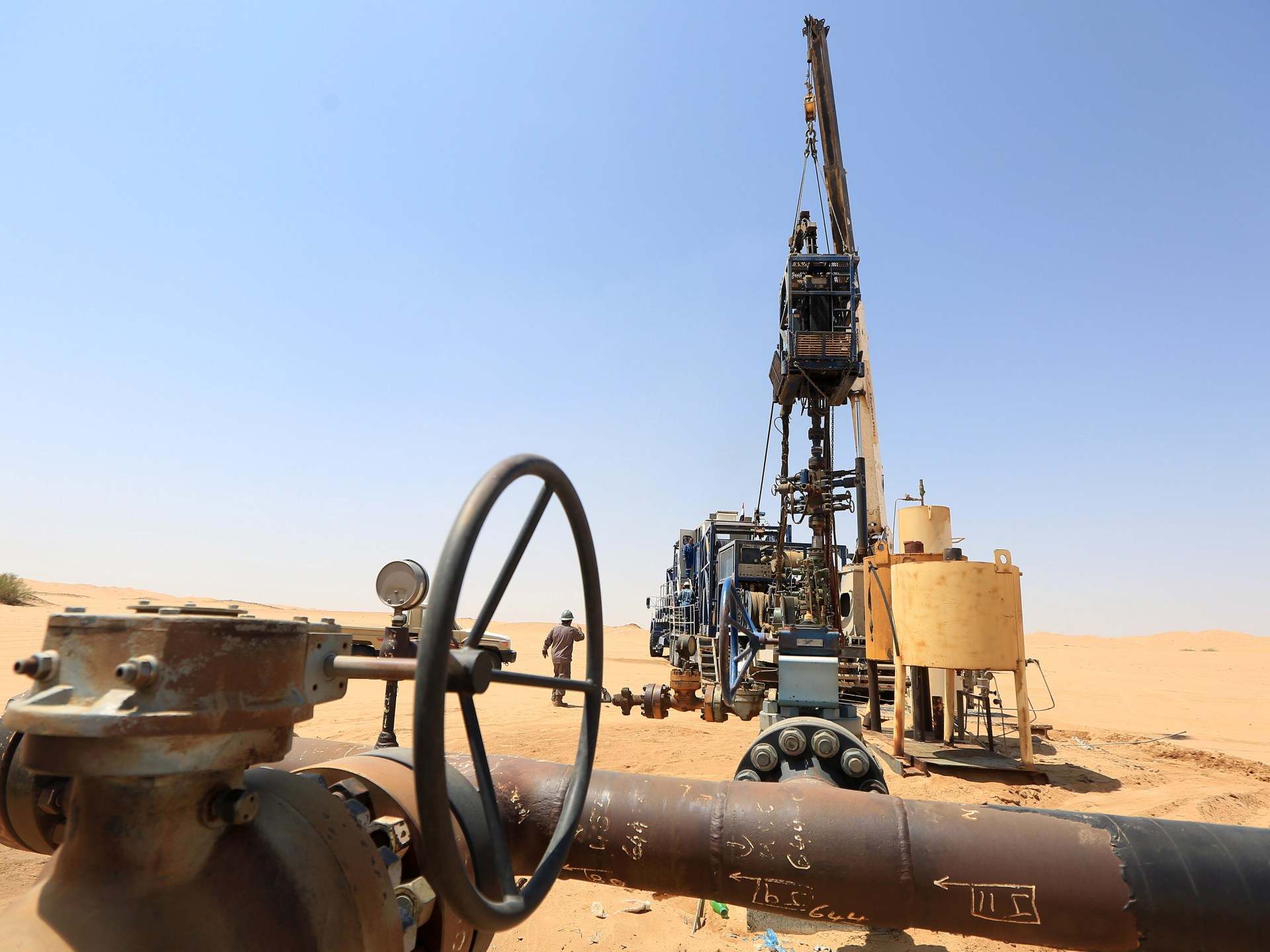
Yemen oil exports resume plans announced by Presidential Leadership Council chief Rashad al-Alimi have raised hopes that the government can restore its main source of foreign currency after a halt that began in late 2022. The money is critical for a state under severe fiscal pressure, but analysts told Al Jazeera that security at oil sites, pipelines and ports will decide whether exports can last.
Al-Alimi said exports would restart from July 20. Yemen’s internationally recognised government has pledged to use the revenue for public salaries, basic services and broader economic stability, while Houthi forces still control much of the country’s northwest.
Oil Minister Mohammed Bamqaa said export proceeds would be placed in the Central Bank under a government order to strengthen state finances. He also said Yemen has more than 1.7 million barrels in storage ready for export.
Can Yemen resume oil exports safely?
Analysts cited by Al Jazeera said the restart depends on more than production. Yemen must secure fields, pipelines, pumping stations and export terminals, while persuading shipping firms, insurers and buyers that cargoes can leave without renewed attacks.
Houthi attacks on export facilities in Hadramout and Shabwa in late 2022 helped stop exports and made maritime firms more cautious about Yemeni crude. Al Jazeera reported that the Houthis have demanded a share of oil revenue to pay public sector salaries as a condition for allowing exports to resume.
Mohammed al-Kasadi, a financial economics professor at Hadramout University, told Al Jazeera that getting oil to port would not by itself secure sales. Insurers and shipping companies judge the chance of attacks on ports and tankers, especially amid recent Houthi actions against shipping linked to Saudi Arabia, which backs Yemen’s government.
How much oil could Yemen export?
The United States Energy Information Administration estimates Yemen’s proven reserves at about three billion barrels, mainly in the Masila, Marib and Shabwa basins. The International Monetary Fund said production, which reached about 439,000 barrels per day early this century, fell to 19,000 barrels per day in 2024 after years of field depletion, war and infrastructure damage.
S&P Global estimated that actual output after exports stopped was about 7,000 to 10,000 barrels per day in 2023 and 2024, with nearly all of it used inside Yemen. Bamqaa said initial total production would reach about 60,000 barrels per day and that companies had been told to prepare schedules to lift capacity by as much as 25 percent in the first month after exports restart.
Al-Kasadi told Al Jazeera that the 60,000-barrel figure may be achievable, but exports would likely be closer to 40,000 barrels per day because local refineries and power stations use about 20,000 barrels per day.
Hassan Mohammed Moghalis, a Yemen affairs analyst, told Al Jazeera that fields in government-held areas, including Masila in Hadramout and al-Uqla in Shabwa, remain able to produce. He said crude can move by pipeline to Arabian Sea ports, but some fields, lines and pumping stations need checks and repairs after the long shutdown.
Why oil revenue matters for Yemen’s economy
Al-Kasadi said the export freeze became a broader financial crisis because the government lost its key source of foreign exchange. With fewer dollars entering from oil sales, Yemen has faced strain in paying for imports such as food, fuel and medicine, putting pressure on the rial and feeding inflation.
Abdul Karim al-Ansi, another Yemen affairs analyst, told Al Jazeera that renewed exports would give the Central Bank more room to support monetary stability, but would not end the economic crisis on their own. He said Yemen still faces weak non-oil revenue, reduced economic activity and a split between government-held areas and Houthi-controlled areas.
Al-Ansi said the public benefit will depend on how oil income is managed and whether it reaches salaries and essential services. He said the test is sustained exports, not isolated shipments that stop whenever security worsens.
This story draws on original reporting from Al Jazeera.