
Wall Street rises as US-Iran framework eases energy fears
Major US indexes advanced after a tentative Washington-Tehran deal raised hopes for steadier energy flows through the Strait of Hormuz.
By Daniel Okafor · Business Editor
3 min read
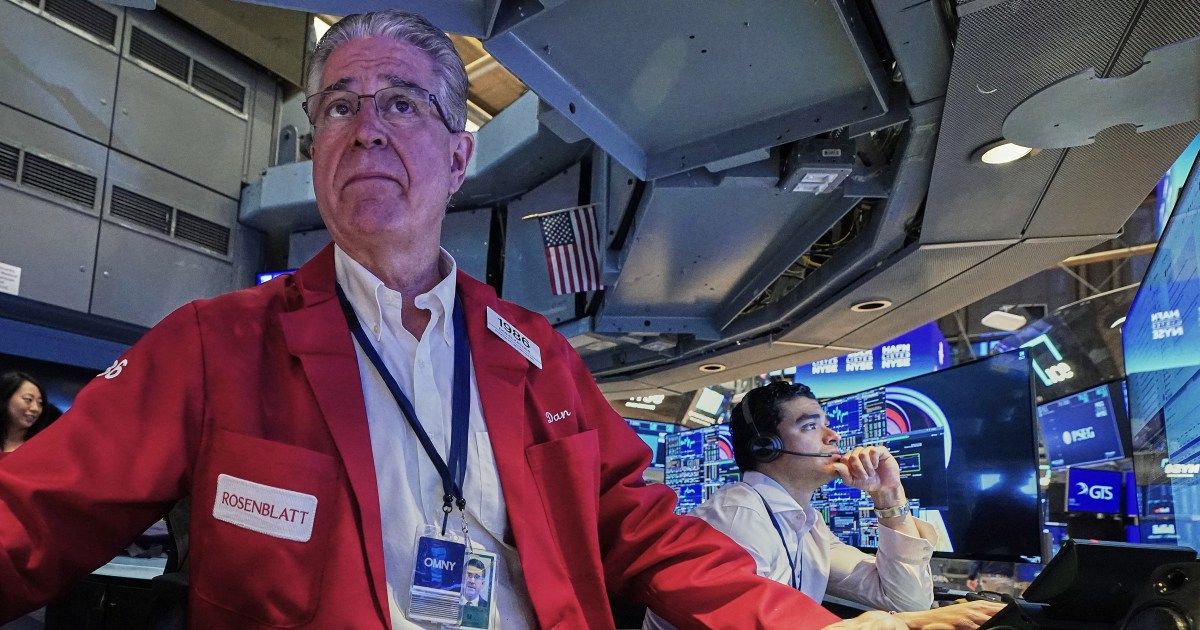
US stocks rose after a tentative agreement between Washington and Tehran lifted investor hopes that disruption in key energy routes could ease, Al Jazeera reported. The move matters for markets because the Strait of Hormuz has been clogged by months of conflict-related disruption affecting oil and liquefied natural gas shipments.
According to Al Jazeera, the S&P 500 gained 1.7 percent on Monday, putting the benchmark close to its record level. The Dow Jones Industrial Average added 0.9 percent and finished at a record high, while the Nasdaq Composite rose 3.1 percent.
Technology shares helped lead the move, Al Jazeera reported. SpaceX climbed 19.6 percent after what Al Jazeera described as the largest market debut on record on Friday, a listing that made Elon Musk the world’s first trillionaire.
Oil prices moved the other way as traders responded to the prospect of improved shipping conditions. Al Jazeera reported that Brent crude futures, the main global oil benchmark, dropped nearly 5 percent to just above $83 a barrel, their lowest level since the first week of the conflict.
Asian markets pause after earlier gains
Asian equity markets were little changed early Monday after rallying the previous day following US President Donald Trump’s announcement of a deal with Tehran, Al Jazeera reported. As of 01:30 GMT, Japan’s Nikkei 225 was down 0.01 percent.
South Korea’s Kospi, which Al Jazeera said has been the strongest major index this year, slipped 0.06 percent. Taiwan’s TAIEX rose 0.2 percent, while Hong Kong’s Hang Seng Index edged down 0.07 percent.
Jay Goldberg, a senior analyst for technology-related equities at Seaport Research Partners in Chicago, told Al Jazeera that the deal announcement had made investors more willing to buy riskier assets. He said investors had been weighing strong artificial intelligence spending against the drag from war, and that the apparent end of the conflict removed one side of that concern.
Goldberg told Al Jazeera that investors were now more comfortable taking on risk. His comments pointed to a shift in market sentiment rather than a full resolution of the practical problems still facing energy transport.
Shipping delays remain
Al Jazeera reported that the Washington-Tehran framework has raised expectations for calmer global energy markets, but energy flows are not expected to return to normal for months. The report cited a large queue of vessels around the Strait of Hormuz and the need to confirm that the waterway is safe from Iranian naval mines.
According to the International Shipping Chamber, about 500 ships are still waiting to move through the strait. Al Jazeera reported that the route usually carries about one-fifth of global oil and liquefied natural gas supplies, making delays there a major concern for energy markets.
This story draws on original reporting from Al Jazeera.