
Carvana’s new-car push puts franchise dealers on alert
The online used-car retailer has bought seven Stellantis franchises, opening a new front in U.S. auto retailing.
By Maya Lindqvist · Senior Technology Correspondent
4 min read
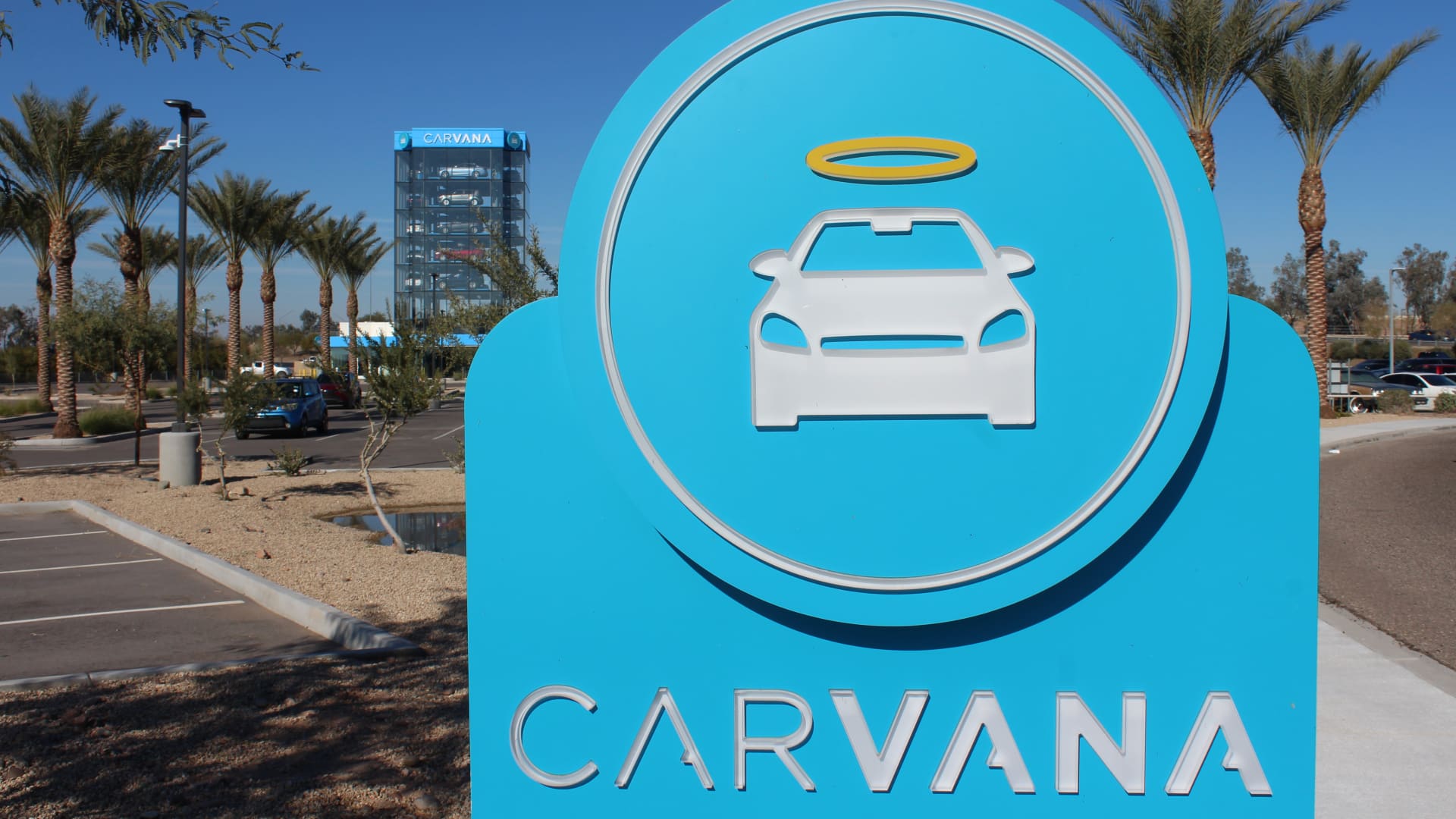
Carvana is moving beyond used vehicles by buying new-car franchises, a shift that could put new pressure on the long-established U.S. dealership model. CNBC reported that the company has acquired seven franchises since last year, mostly tied to Stellantis brands including Chrysler, Dodge, Jeep and Ram.
The move gives Carvana access to revenue streams it did not previously have and could also help it source more used vehicles. Analysts and dealers told CNBC that the company’s online sales model and national logistics network could make it a more formidable rival in new-car retail than a typical dealership buyer.
A fast start in Arizona
CNBC reported that Carvana’s first Stellantis new-car store, in Casa Grande, Arizona, sold more than 700 new vehicles last month, citing Stellantis figures shared with dealers. The store had been selling about 30 to 50 vehicles a month before Carvana bought it early last year, CNBC said, citing earlier reporting by The Wall Street Journal.
That performance made the Arizona location Stellantis’ top-volume U.S. store, according to the figures cited by CNBC. Carvana and CEO Ernie Garcia declined to comment to CNBC about the franchise operations ahead of a planned media event where the company is expected to discuss its plans.
CNBC identified the other Stellantis franchise locations as being in Sacramento and San Diego, California; Dallas; Atlanta; Cleveland; and Boston. Those stores sit alongside Carvana’s broader network of more than 100 locations, which mainly includes vehicle vending machines and processing sites.
Why franchises change the business
Carvana built its name as an online used-car seller, with physical sites used largely for pickup, delivery and vehicle handoffs. CNBC reported that new-car franchises could add revenue from new vehicle sales, parts and service, and related finance and insurance products.
The franchises may also help Carvana acquire used vehicles from customers trading in cars, CNBC reported. John Murphy, a longtime Wall Street analyst and auto consultant, told CNBC that access to private auctions limited to franchised dealers could become an advantage if Carvana expands the model to more brands.
The National Automobile Dealers Association says the U.S. franchised dealer system includes 16,990 retailers and generated more than $1.3 trillion in sales last year. Industry executives told CNBC that Carvana’s entry stands out because the company already has national infrastructure for digital sales, reconditioning and delivery.
Carvana has said it can recondition about 1.5 million vehicles a year, while it sold fewer than 600,000 vehicles last year, CNBC reported. Murphy told CNBC that this excess capacity could help the company expand service operations, though Carvana’s traditional customer sites do not operate like full-service franchised dealerships.
Dealers question the next step
Selling new vehicles brings rules that differ from used-car retail. CNBC noted that franchise dealers must comply with state laws and automaker requirements covering store standards, brand rules, vehicle allocation, service obligations and repair operations.
Stellantis told CNBC that Carvana is treated as a corporate owner of its brands, comparable to large public dealership groups such as Lithia and AutoNation. The automaker said any organization meeting its qualifications can operate as a franchisee and that certified providers must meet program standards.
CNBC reported, citing four people familiar with the decision, that Stellantis approved Carvana as a certified website provider, allowing it to avoid using an approved third-party company. A Stellantis dealer told CNBC the move reflects the automaker’s recent struggles in U.S. market share.
Sean Hogan, chairman of the Stellantis National Dealer Council and a vice president at Sierra Auto Group in California, told CNBC that dealers are watching Carvana’s plan closely. He said competition can benefit consumers, but questioned who would handle customer needs after the sale if Carvana focuses mainly on selling new vehicles.
CNBC also cited Cox Automotive research finding that many car buyers prefer a mix of online tools and in-store interaction rather than a fully digital or fully in-person purchase. JD Power’s latest U.S. Sales Satisfaction Index, cited by CNBC, placed Chrysler, Dodge and Ram below the industry average among franchised dealers.
This story draws on original reporting from CNBC.