
Families return to wrecked south Lebanon towns after ceasefire
Displaced residents are checking damaged homes and salvaging belongings after an initial US-Iran ceasefire agreement, Al Jazeera reported.
By Daniel Okafor · Business Editor
2 min read
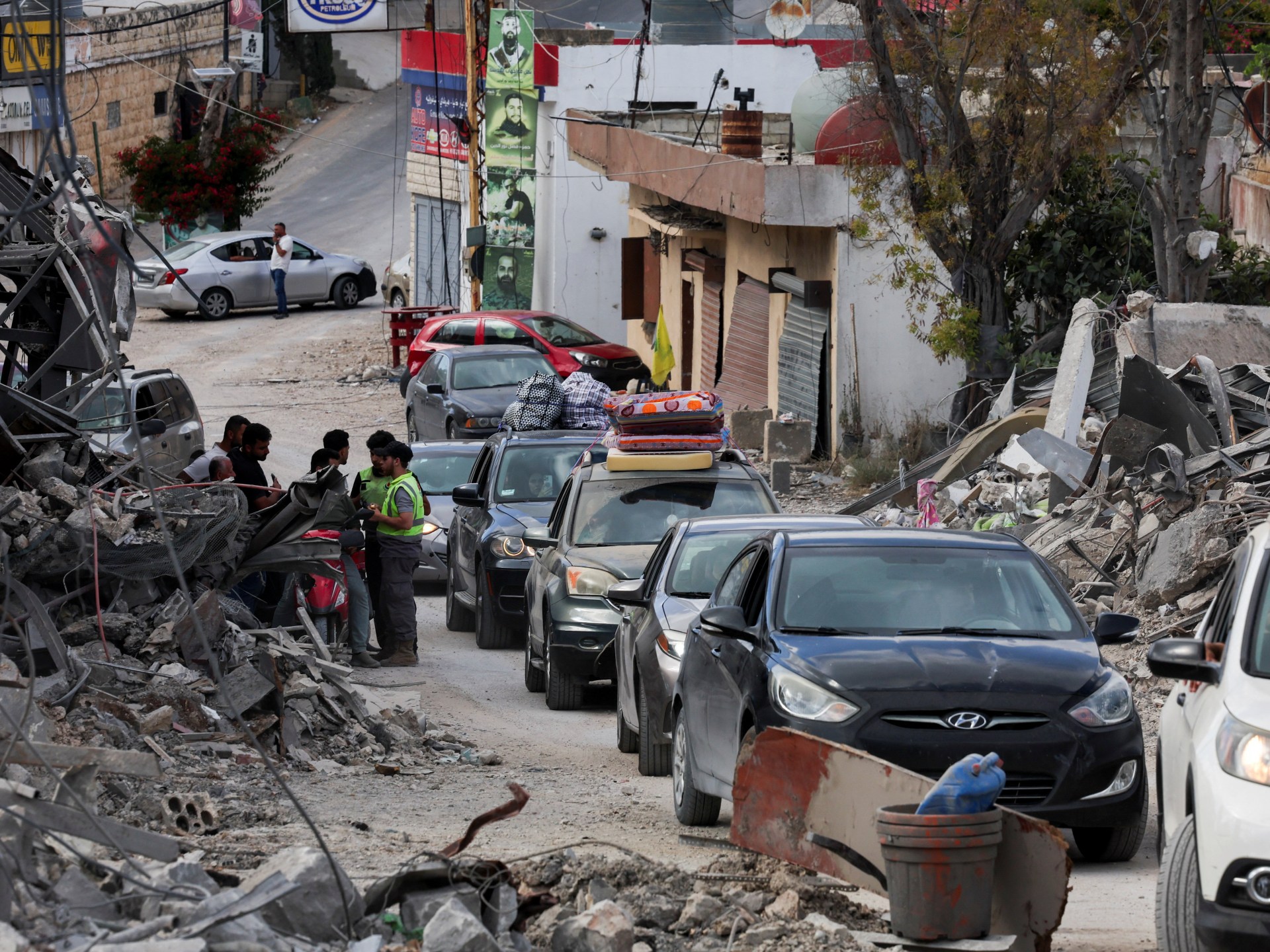
Displaced families have begun returning to towns and villages in southern Lebanon after the announcement of an initial ceasefire agreement between the United States and Iran, according to Al Jazeera, AP and Reuters. The returns expose the scale of destruction left by months of cross-border fire and air raids, with many residents finding homes and public areas badly damaged.
Al Jazeera reported that families who had been staying with relatives, in schools or in crowded apartments in safer areas started heading south as news of the ceasefire spread. Lebanon’s health ministry says Israeli attacks on Lebanon have killed 3,798 people since March 2, according to Al Jazeera, which also reported that about 1.2 million people have been forcibly displaced.
Reuters photos from Bir al-Salasil in the Tyre district showed displaced people carrying belongings in cars as they travelled back to their homes. Other Reuters images showed families on the highway in Sidon, including a woman sitting on top of a van with relatives and holding a poster of late Hezbollah leader Hassan Nasrallah.
AP images from Sidon showed a man packing his family’s possessions before returning to his village and a woman waiting with her mobile phone after the ceasefire announcement. AP also photographed residents driving back toward villages from Rmayleh, near Sidon.
Al Jazeera reported that months of fighting have destroyed homes, shops and public buildings in parts of southern Lebanon, leaving some neighbourhoods difficult to recognise. Returning residents have found collapsed roofs, burned-out vehicles and rooms missing doors and windows, according to the outlet.
For some families, the return is temporary. Al Jazeera reported that disrupted basic services and an uncertain security situation have led some residents to collect documents, clothing and household items before leaving again.
Others are trying to stay despite the damage because they have nowhere else to go, Al Jazeera reported. In Maaroub, AP photographed a woman placing a Hezbollah flag on the wreckage of her destroyed house.
In Deir Qanoun, AP images showed people walking past destroyed homes, families inspecting damage and a woman with children passing a ruined house after returning to the village. Another AP photo showed a Shia sheikh retrieving religious books from a destroyed library in the same area.
In Beer al-Salassel, AP photographed returning residents gathered with journalists on a destroyed street. The images, published as the ceasefire was holding in its early stage, showed families assessing whether anything could be saved from homes and streets damaged during the fighting.
This story draws on original reporting from Al Jazeera.