
Vance urges Israel to allow Iran deal talks to proceed
The vice president defended a US-Iran memorandum and pushed back on Israeli calls to keep fighting, saying diplomacy should be given time.
By Lucas Ferreira · Science & Environment Writer
3 min read
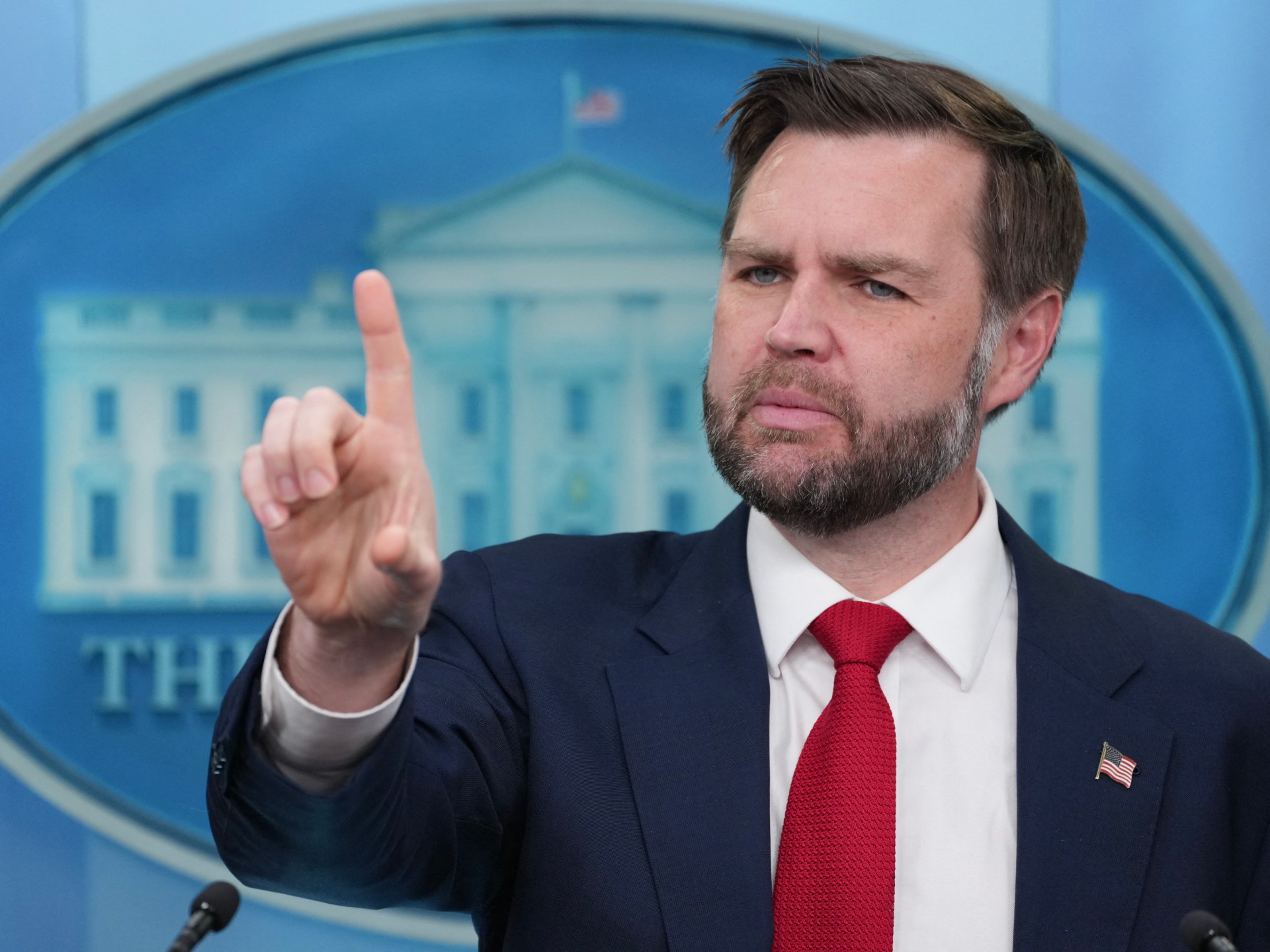
US Vice President JD Vance defended a new memorandum of understanding with Iran and urged Israel to let negotiations proceed, according to comments reported by Al Jazeera. His remarks matter because the agreement is already drawing criticism in Washington and from Israeli leaders who want the war to continue.
In an interview with The New York Times published Thursday, Vance responded to Israeli criticism of the deal, including from far-right ministers Bezalel Smotrich and Itamar Ben-Gvir. The interview came a day after US President Donald Trump and Iranian President Masoud Pezeshkian signed the memorandum, Al Jazeera reported.
Vance asked what alternative Israel was proposing and said the country could not solve every security threat through force. He also called on Israeli leaders to give negotiations a chance and to credit the United States, which he described as a long-standing partner of Israel.
Al Jazeera reported that Vance’s comments were part of a sharper rhetorical line from the Trump administration toward Israel. The outlet said Israel’s occupation of and military operations in southern Lebanon have repeatedly threatened efforts to secure a more durable end to the war with Iran.
Trump criticizes Israeli tactics
Trump has also criticized Israel’s conduct in Lebanon, according to Al Jazeera. Speaking at the G7 summit in France, he said too many people had been killed and called for restraint in the war with Hezbollah.
Trump said Israeli forces did not need to destroy an apartment building every time they were searching for one person, because other civilians could be inside. Al Jazeera reported that war monitors have long said Israel’s rules of engagement contribute to high civilian casualties.
At a Thursday news conference, Vance continued to defend the memorandum with Iran. Al Jazeera reported that the agreement opens the Strait of Hormuz, lifts the US naval blockade of Iranian ports and pledges to end fighting on all fronts, including in Lebanon.
Several leading Democrats and some Republicans have argued that the initial agreement appears to benefit Tehran, Al Jazeera reported. Critics said the war produced no major concessions that earlier diplomacy could not have achieved.
Vance said the war had still improved the US position by weakening Iran’s economy, damaging its conventional military and degrading its nuclear capacity. He said talks could begin as soon as the weekend and framed the outcome as favorable for Washington whether or not Tehran changes course.
Major issues remain unresolved
Al Jazeera reported that the agreement provides immediate sanctions waivers for Iran’s fossil fuel sector. It also includes pledges from the US and regional partners to create a $300bn reconstruction fund, negotiate the release of frozen Iranian assets and lift remaining sanctions.
The memorandum requires Iran to dilute its stockpile of highly enriched uranium “on site,” according to Al Jazeera. The future of Iran’s nuclear programme is left to 60 days of negotiations.
Vance said he believed Iran could be persuaded to shift its position on nuclear issues, possibly including inspections, if Washington used sanctions relief and frozen funds as leverage. The deal does not address Iran’s ballistic missile programme or its support for allied groups in the region, which Al Jazeera described as major concerns for Israel and Iran hawks in the US.
Vance said he hoped talks would prevent Iran from building missiles able to broadly threaten the world. He also stepped back from earlier administration pledges to destroy Iran’s ballistic weapons capabilities, saying countries including Israel and Iran could not be denied all self-defence.
The memorandum also leaves open questions about future control of the Strait of Hormuz and does not bar Iran from imposing tolls, Al Jazeera reported. Vance said any future agreement should ensure the strait is not used as a choke point for the global economy.
This story draws on original reporting from Al Jazeera.