
Israel cuts contact with EU foreign policy chief over apartheid report
Gideon Saar said he would halt dealings with Kaja Kallas after Euractiv reported she compared Israeli policy toward Palestinians to apartheid.
By Lucas Ferreira · Science & Environment Writer
3 min read
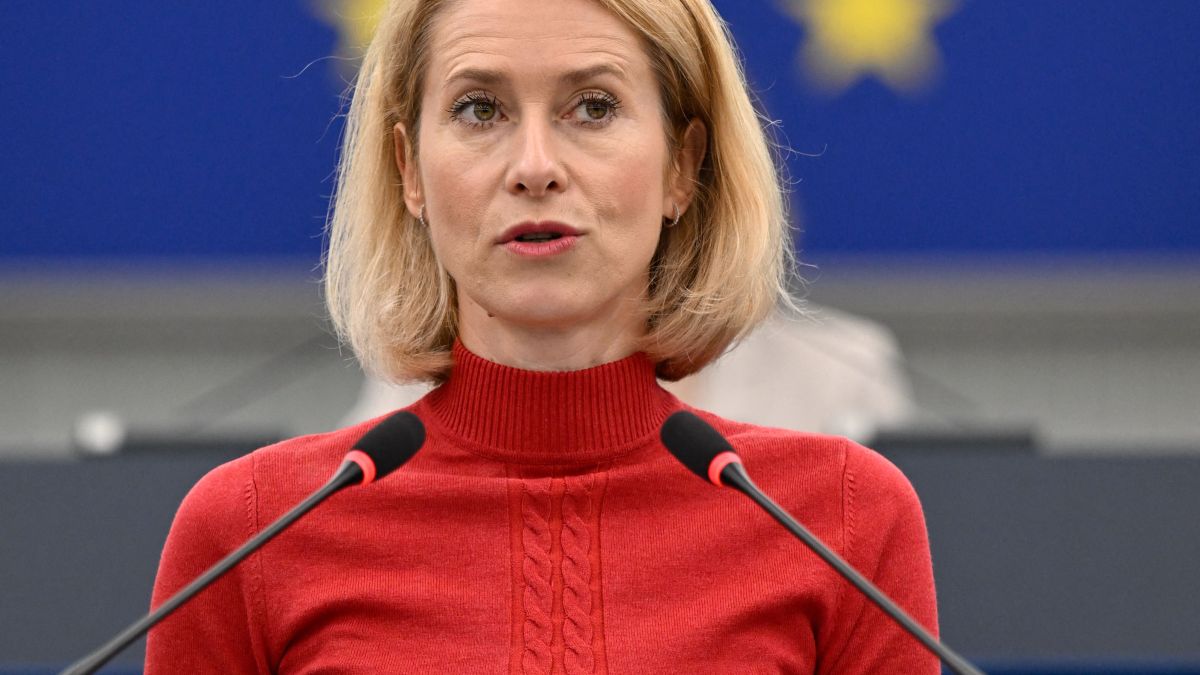
Israel’s foreign minister, Gideon Saar, said he is cutting contact with the European Union’s foreign policy chief, Kaja Kallas, after a report said she compared Israel’s treatment of Palestinians with apartheid-era South Africa. The move adds a new diplomatic dispute to Israel’s already strained relations with European officials over Gaza, the occupied West Bank and settlement policy.
Saar announced the decision Thursday on X, accusing Kallas of a pattern of bias against Israel. He said she had failed to deny or clarify remarks attributed to her by Euractiv and said he had “no choice but to sever all contact” until she withdrew what he called a “blood libel” against Israel.
Euractiv reported last week, citing unnamed diplomats and officials, that Kallas made the comparison during high-level talks with Mexican officials in May. According to the outlet, she likened Israeli policies in Gaza and the occupied West Bank to the racial segregation system that governed South Africa until the early 1990s.
Kallas, the EU’s high representative for foreign affairs and security policy, responded publicly to Saar on X. She said the EU and Israel have many ties and wrote that “dialogue is the foundation of diplomacy, especially when differences arise.”
Her response did not directly address the specific apartheid allegation reported by Euractiv. Kallas also restated the EU position in favor of a two-state solution and against Israeli settlements in the occupied West Bank, which Brussels regards as illegal under international law.
Saar replied less than an hour later that her statement did not change his position. He said Kallas had neither denied nor condemned the reported comparison, and he stood by his decision to cut contact.
The dispute follows months of heightened international scrutiny of Israel’s conduct toward Palestinians. In January, the Office of the United Nations High Commissioner for Human Rights said Israel was violating international law obligations requiring states to prohibit and eradicate racial segregation and apartheid.
The UN rights office said Israeli settlers and Palestinians in the West Bank are governed under two different sets of laws and policies. It said that system produces unequal treatment on issues including movement and access to land and water.
The office also said Palestinians continue to face large-scale land confiscation and loss of access to resources. Its findings were in line with conclusions reached by the International Court of Justice in July 2024.
In that advisory opinion, the ICJ found Israel’s occupation of Palestinian territory unlawful and cited concerns about racial segregation and apartheid in the occupied Palestinian territory. Israel has rejected apartheid accusations in the past, and Saar’s statement cast the reported comparison as an unacceptable accusation against the state.
Kallas’s office did not, in her public response cited by Saar, issue a denial of the reported comments. Her message instead urged continued diplomatic engagement between Israel and the EU despite their differences.
This story draws on original reporting from Al Jazeera.