
Uzbekistan’s World Cup debut puts Central Asia on soccer’s biggest stage
The White Wolves have struggled on the field, but their first World Cup has become a national showcase for Uzbekistan.
By Sofia Marchetti · World Affairs Correspondent
3 min read
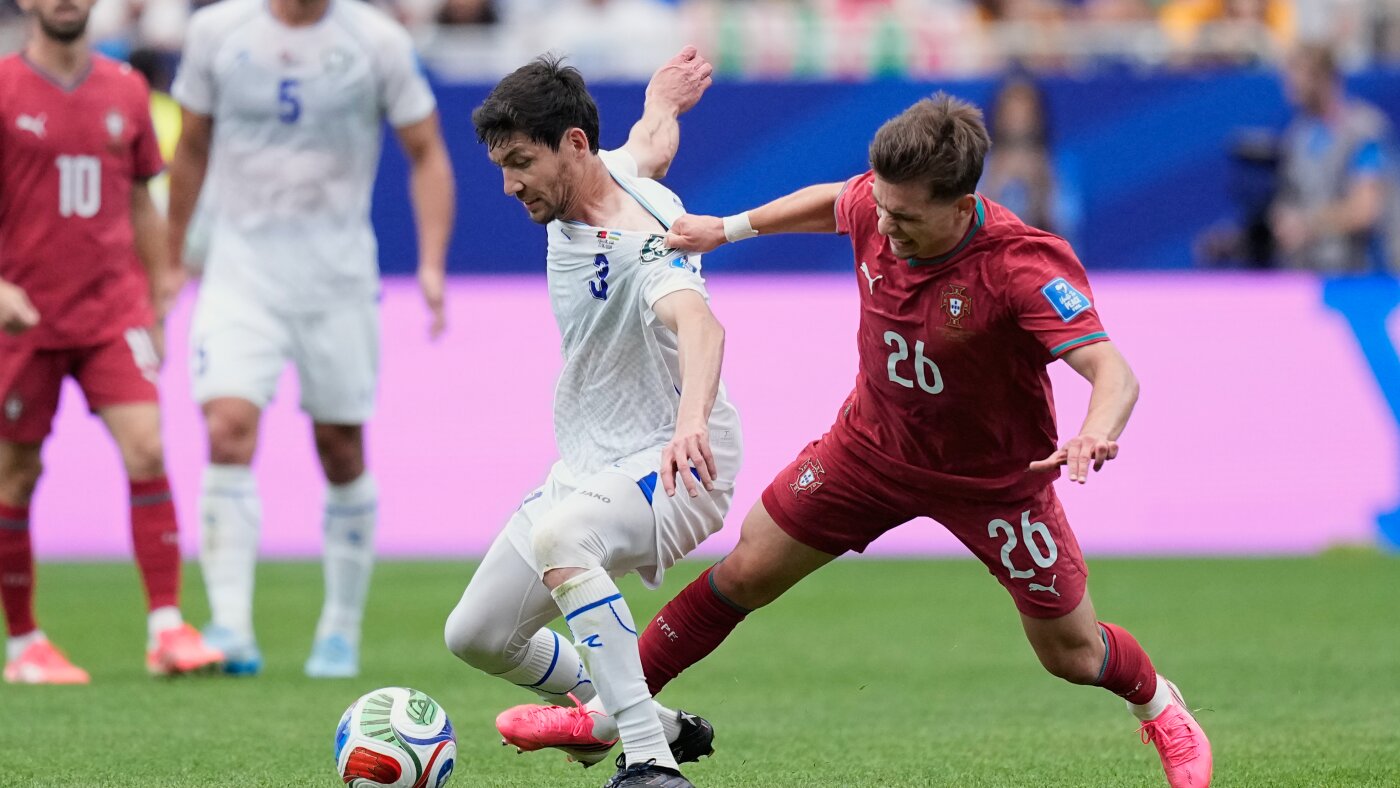
Uzbekistan has become the first Central Asian country to play in the men’s World Cup, giving the region a debut on soccer’s biggest stage. NPR reported that the White Wolves’ tournament has carried weight beyond results, as fans and officials frame the appearance as a sign of the country’s broader ambitions.
The team’s Group K campaign has been difficult. According to NPR, Uzbekistan lost 3-1 to Colombia on June 17 in Mexico City and then fell 5-0 to Portugal on June 23 in Houston, leaving its chances of advancing sharply reduced.
Abbosbek Fayzullaev scored Uzbekistan’s first World Cup goal in the Colombia match, NPR reported. Fayzullaev told NPR that representing the country before a global audience was “a huge honor” for the nation.
Uzbek supporters have used the tournament to promote national culture, according to NPR. Fans stayed after matches to take photos in steppe-warrior dress, hand out embroidered duppy skullcaps and dance to drums.
President Shavkat Mirziyoyev has tied the team’s run to his political slogan of a “new Uzbekistan,” according to NPR. The president has described the players as part of a “golden generation” of Uzbek youth making progress in sports, culture and science.
A long path from independence
Uzbekistan became independent in 1991 after the Soviet Union collapsed. NPR reported that soccer helped shape national identity as Uzbek players moved from seeking places in Soviet teams to competing under their own flag.
Azamat Abduraimov, who played for Uzbekistan in the 1990s, told NPR that taking the field for an independent Uzbekistan showed players they could compete internationally as Uzbek footballers. He also noted that Uzbekistan’s men’s team won gold at the 1994 Asian Games, which he described to NPR as the only such championship for a former Soviet republic.
Ravshan Irmatov, vice president of Uzbekistan’s Football Association, told NPR in Tashkent that the World Cup debut followed years of investment in youth programs. He said the result was not luck and pointed to broader government spending aimed at the future.
Several Uzbek players have also gained attention abroad, according to NPR. Defender Abdukodir Khusanov, 22, has become a regular at Manchester City in the English Premier League, a development Uzbek football blogger Doniyor Umarxodjaev told NPR was once hard for fans at home to imagine.
Women’s soccer and political change
NPR reported that Uzbekistan’s women’s program has also advanced. The country qualified for the Women’s Asian Cup for the first time in more than 20 years and is set to host the tournament in 2029.
Mokhina Akbarova, a forward on Uzbekistan’s under-17 national team, told NPR she wants her generation to reach a higher level and hopes to play internationally. NPR noted that such a path would have been far less likely several years ago, when Uzbek women faced legal restrictions on travel without permission from husbands or fathers.
The soccer rise has coincided with Mirziyoyev’s reforms, NPR reported, including moves to open Uzbekistan to travel and investment after years of isolation and authoritarian rule under former President Islam Karimov. Reuters reported earlier this year that President Trump hosted leaders from Uzbekistan, Kazakhstan, Tajikistan, Turkmenistan and Kyrgyzstan and announced agreements focused in part on critical minerals trade.
Some critics say political change has lagged behind the country’s public image. Diora Rafieva, a lawyer and occasional government critic in Samarkand, told NPR that Uzbekistan’s liberalization often exists more on paper than in daily life, citing corruption, courts and development pressures on heritage sites.
Young fans interviewed by NPR were more optimistic. Student Farangiz Azamatova said she expects Uzbekistan to change further in the next decade or two, while Sirojiddin Toxirov, 21, said the World Cup qualification had made his generation more confident.
This story draws on original reporting from NPR.