
U.S. strikes Iranian sites after ship attack in Strait of Hormuz
Washington said the cargo ship strike violated a ceasefire, while Tehran argued it was enforcing rules in the critical waterway.
By Lucas Ferreira · Science & Environment Writer
3 min read
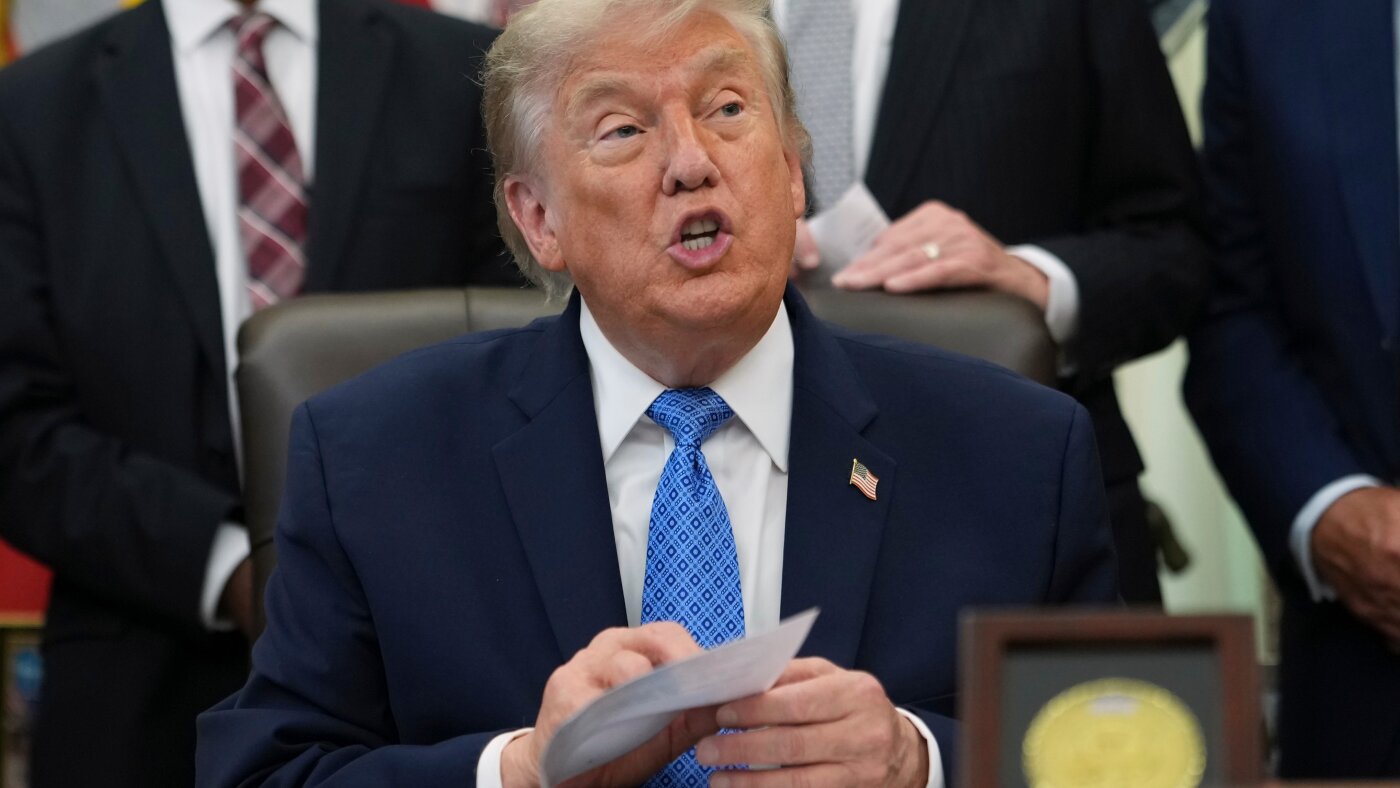
The U.S. military hit targets in Iran on Friday after President Donald Trump said a drone attack on a cargo ship in the Strait of Hormuz breached a ceasefire. The confrontation puts new strain on an interim U.S.-Iran understanding aimed at ending months of war and restoring safer passage through one of the world’s most important shipping routes.
U.S. Central Command said American forces struck Iranian missile and drone positions as well as coastal radar sites. A U.S. official with knowledge of the operation told The Associated Press that the strikes ended about an hour after Central Command announced them; the official spoke anonymously to discuss an active military matter.
Trump, speaking at the White House before the U.S. action, said Iran had fired on Thursday and described the incident as a ceasefire violation. Asked whether the U.S. would respond, Trump told reporters they would find out, then later cut off questions, according to AP.
Iranian lawmaker Ebrahim Azizi, head of parliament’s national security commission, rejected the U.S. accusation in a social media post cited by AP. Azizi said Iran governs the Strait of Hormuz and characterized Tehran’s actions as management of the ceasefire rather than a breach.
Vice President JD Vance said on social media Friday evening that Iran should call if disputes arise over the ceasefire terms, according to AP. He added that violence would be answered with violence.
Ship attack halts evacuation effort
The British military said Thursday that a container ship had been struck by a projectile off Oman’s coast, hours after Iran warned vessels against using the route, AP reported. The United Kingdom Maritime Trade Operations center said no injuries were reported.
The attack disrupted a United Nations maritime agency effort to move stranded vessels out of the strait by sending them along an alternate route close to Oman rather than through the middle of the channel. The International Maritime Organization said Friday that the operation would stay paused until ships receive assurances they will not be attacked.
IMO Secretary-General Arsenio Dominguez said about 115 vessels had left the strait in recent days, while roughly 500 remained in the area, according to AP. The alternate route had been expected to reduce pressure on global commerce and weaken Iran’s bargaining position in talks with Washington.
The U.S. and Iran are still trying to settle the terms of a broader agreement, AP reported. Those discussions include passage through the Strait of Hormuz and the future of Iran’s stockpile of highly enriched uranium; under the interim arrangement, the sides have 60 days to work out details.
Shipping confidence slows
Marine data company Windward said on X that the attack marked the first major test after a week in which commercial confidence in the strait had been improving. Windward said the waterway remained open, with 43 transits logged after the incident, but that the recovery in traffic had slowed.
AP reported that 78 vessels passed through the strait Wednesday, before the drone strike, the highest daily total since the war began but still below prewar levels of 130 or more. Lloyd’s List Intelligence said at least two tankers turned around while trying to use the U.N.-backed route near Oman after Iran insisted ships use Tehran-approved routes.
Lloyd’s said Friday that more than two dozen ships were still moving through the strait’s southern route after the attack, according to AP.
This story draws on original reporting from NPR.