
US strikes Iran after tanker attacks put ceasefire talks in doubt
Washington said it hit more than 80 targets after attacks in the Strait of Hormuz, while Tehran claimed retaliatory strikes on US sites in Gulf states.
By Sofia Marchetti · World Affairs Correspondent
4 min read
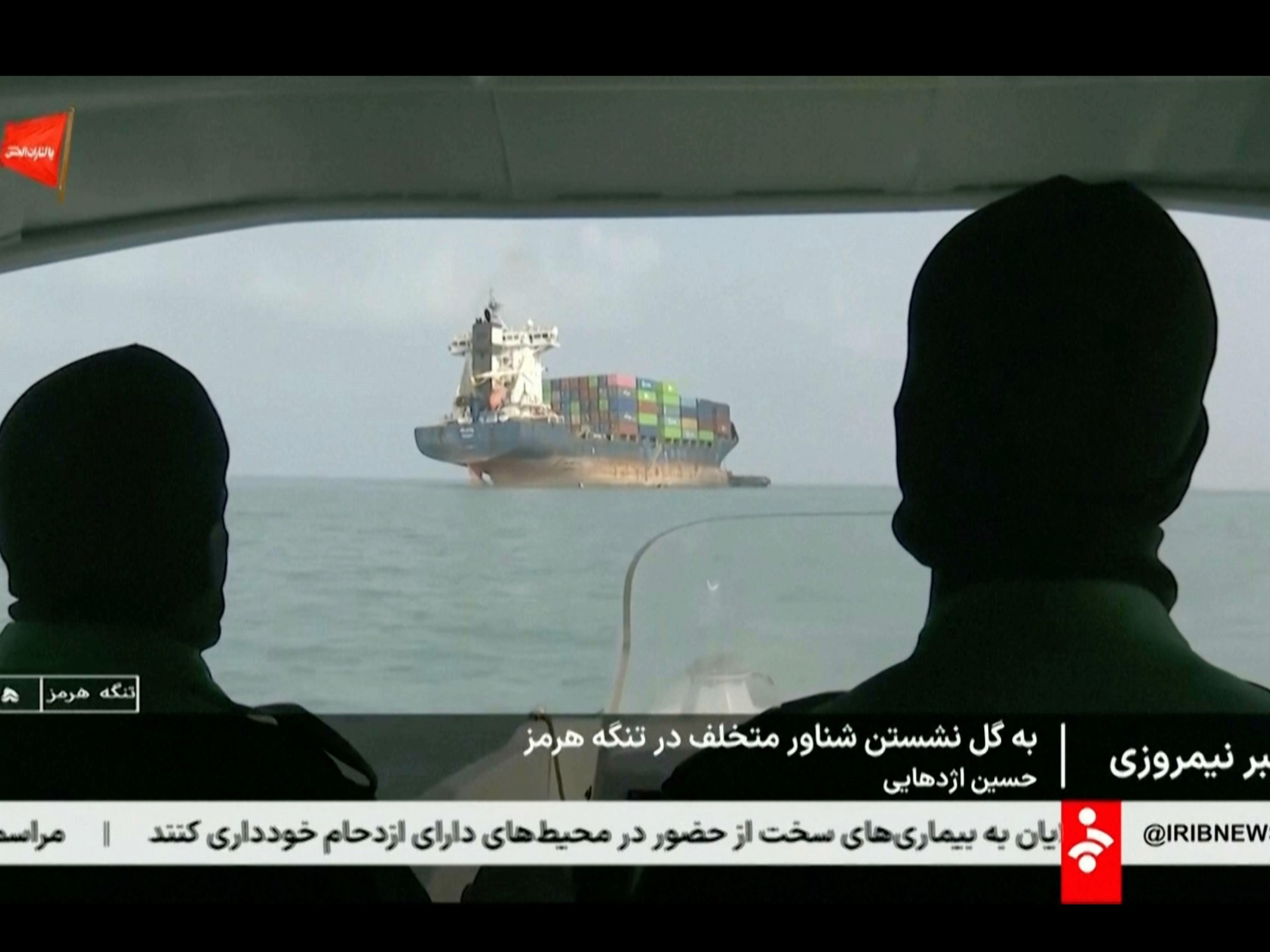
The United States launched a new wave of strikes on Iran after accusing Tehran of attacking commercial ships in the Strait of Hormuz, a key route for global energy trade. The attacks have cast doubt on a US-Iran memorandum meant to pause fighting and keep peace negotiations alive, according to Al Jazeera.
US Central Command said American forces hit more than 80 targets early Wednesday local time, including Iranian air defences, command networks, coastal radar sites, anti-ship missile capabilities and more than 60 Islamic Revolutionary Guard Corps small boats in and near the strait.
CENTCOM said the operation followed attacks on three vessels: the Marshall Islands-flagged M/T Al Rekayyat, the Saudi Arabia-flagged M/T Wedyan and the Liberian-flagged M/T Cyprus Prosperity. Iranian local television said the ships had ignored warnings to change course, while Tehran has been directing shipping to use a route it describes as safe through the strait, Al Jazeera reported.
President Donald Trump, speaking to reporters at a NATO summit in Ankara, Turkiye, said the US had attacked “very powerfully” and suggested the memorandum of understanding with Iran was “over”. Trump said he might allow US negotiators to keep talking, but said he believed the talks were a “waste of time”.
Markets reacted quickly, according to Al Jazeera. Brent crude rose 6 percent to $78 a barrel, European stocks fell 1.6 percent, the dollar strengthened and government bond yields climbed as investors weighed the risk of higher inflation from renewed conflict.
Iran reports hits in the south
Iranian media reported explosions in the southern port city of Sirik, where projectiles were said to have struck commercial and fishing piers. Several people were injured by shrapnel, though the number of casualties was not clear, Al Jazeera reported.
Strikes were also reported on Qeshm Island in the Strait of Hormuz and near Bandar Abbas. Iran’s semi-official Fars news agency, citing a security deputy to the governor of Bushehr province, said two military bases were struck in Dashti county and near Chogadak; Fars said no deaths or injuries had been reported there.
The IRGC said one of its members was killed by “enemy drones” and later claimed retaliatory attacks on 85 US military targets in Bahrain and Kuwait. The force said it hit installations at Port Salman, the US Fifth Fleet base in Bahrain and Kuwait’s Ali Salem Airbase, and said it shot down an MQ-9 drone.
Sirens sounded in Bahrain and Kuwait, according to Al Jazeera. Kuwait’s Foreign Ministry condemned the Iranian strikes on US military assets on its territory as a violation of Kuwaiti sovereignty and a threat to its security.
Oil sanctions return
The US Treasury said late Tuesday that Washington had reimposed sanctions on Iranian oil. The sanctions apply to new oil sales from July 7, while shipments already under way before that date will receive a grace period, with proceeds placed in a blocked, interest-bearing account, according to the Treasury.
Trump had previously granted Iran a 60-day waiver on oil and petrochemical exports under the June 17 memorandum, Al Jazeera reported. The agreement was intended to support negotiations after earlier fighting and required Iran to restore commercial passage through Hormuz while the US eased some sanctions and unfroze Iranian assets.
Iran’s Foreign Ministry condemned the US strikes as military aggression and said they violated both the UN Charter and the memorandum. Foreign Minister Abbas Araghchi said in a Telegram statement that the US had made key parts of the agreement ineffective, according to Al Jazeera.
NATO Secretary-General Mark Rutte backed the US response, telling reporters in Ankara that it was “absolutely necessary” after Iran’s attacks on commercial vessels. Saudi Arabia and Qatar condemned the tanker attacks, while Oman, Qatar, Egypt and senior UAE diplomat Anwar Gargash criticised Iran’s strikes on Gulf states, Al Jazeera reported.
Analysts cited by Al Jazeera said the agreement may still exist on paper, but Trump’s comments have made its future uncertain. Muhanad Seloom of the Doha Institute of Graduate Studies said the US target list suggested a limited operation, while retired US naval officer Harlan Ullman said both sides may still seek to de-escalate.
This story draws on original reporting from Al Jazeera.