
Robins cut activity rather than flee during wildfire smoke, study finds
Oregon State University researchers tracked 21 robins and found smoky air changed their behavior without prompting long-distance escape.
By Priya Raghavan · Science Reporter
3 min read
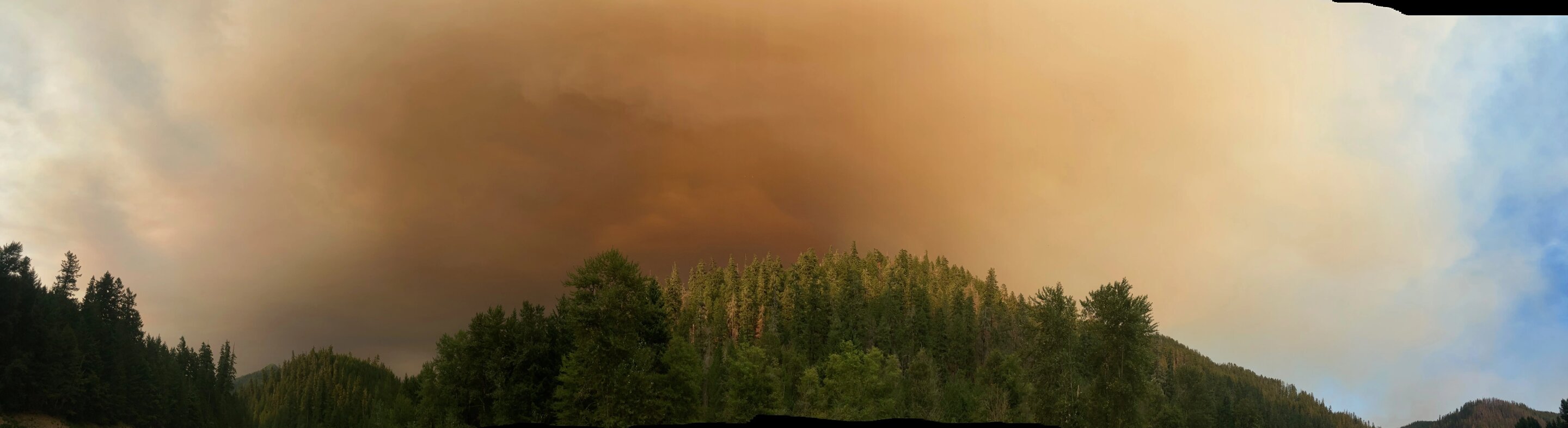
American robins exposed to wildfire smoke did not immediately leave smoky areas in a new Oregon State University-led study, a finding that could change how scientists think about wildlife responses to fire-season air pollution. The work matters because wildfire smoke is becoming a more common disturbance as fire seasons grow longer and more intense, according to Oregon State University.
The study, led by OSU biologist Jamie Cornelius and published in Integrative and Comparative Biology, tracked adult robins in fire-prone Oregon habitat during the 2023 and 2024 wildfire seasons. OSU said research associate Alex Jahn and graduate students Dorothy Zahor and Ken Glynn also contributed, along with collaborators at UCLA and Cornell University.
Cornelius said wildfire smoke has received limited attention as a force shaping animal behavior, even though animals may have developed ways to reduce exposure. She said researchers still know little about which strategies animals use and how those choices affect their health.
Tracking birds through smoke
The researchers captured 21 adult American robins and fitted them with bands that transmitted movement data, according to OSU. The team expected the birds might use a “go” strategy, leaving areas affected by smoke from nearby fires in search of cleaner air.
That was not what the tracking data showed. OSU said the robins made shorter movements as smoke intensity increased, suggesting they reduced activity instead of making longer trips away from the smoky conditions.
Cornelius, an ecophysiologist in OSU’s College of Science, said the robins were in the post-breeding season and were not bound to nest sites, yet they still did not leave when smoke arrived. She said the birds appeared to adjust their behavior in ways that may reduce the harms of breathing smoke.
The study also found that wind direction mattered under heavier smoke conditions. OSU said robins did not change their orientation relative to wind during light smoke, but when smoke was heavier they were more likely to face into the wind, a pattern that tended to lower their exposure.
Cornelius said the study does not rule out flight as a response under more severe conditions. She said robins may have a threshold for smoke density that prompts longer-distance movement, and the smoke levels during the study may not have reached it.
A framework for wildlife responses
The paper also proposes a “stay, shift, go” framework for describing how animals respond to smoky air, according to OSU. Under that model, an animal may stay with little behavioral change, shift its behavior to limit harm, or go to a place with cleaner air.
OSU said species traits, including how animals move, may influence which response is possible or likely. Cornelius also said behavioral changes in one species could affect others, such as predators responding to altered prey behavior even if the predators are not directly reacting to smoke.
Wildfire smoke contains gases and fine particles that can harm people and animals when inhaled or ingested, according to OSU. Cornelius said organisms near active fires face immediate risks from heat and survive through behaviors such as fleeing or sheltering, while her team is studying animals exposed to hazardous smoke without being in direct fire danger.
Cornelius said many questions remain, including whether all animals can detect smoke, what exposure levels trigger protective behavior, and whether responses vary by habitat, season, age or life stage. She said research has increased as climate change alters fire regimes, and emerging evidence indicates that acute smoke exposure can impair animal health.
This story draws on original reporting from Phys.org.