
Africa weighs energy and security shifts as Iran war strains trade
The US-Israel war on Iran is pushing African governments to review fuel supplies, security ties and exposure to global shipping disruptions.
By Lucas Ferreira · Science & Environment Writer
4 min read
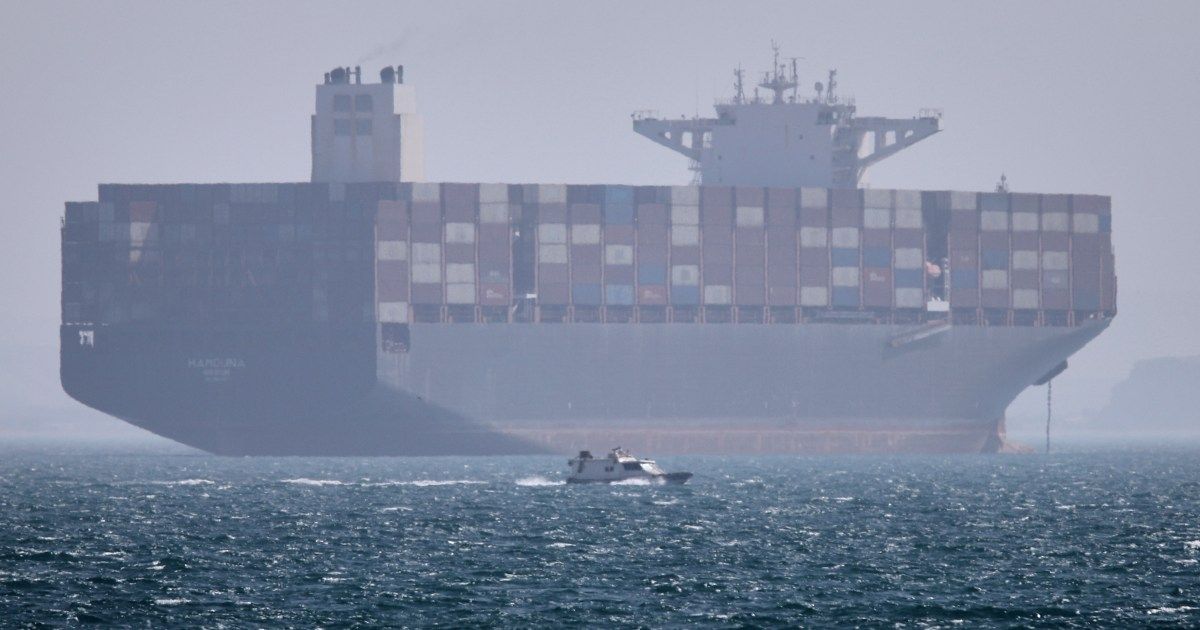
The US-Israel war on Iran is forcing African governments to reassess energy security, trade exposure and foreign partnerships, Al Jazeera reported. The conflict’s first effects have appeared in oil markets, shipping costs and financial uncertainty, with possible longer-term consequences for African economies and diplomacy.
According to Al Jazeera, the crisis is adding pressure on countries already dealing with debt, conflict and fragile growth. Analysts told the outlet that the disruption could also speed up existing efforts to build domestic energy capacity, broaden financing options and reduce reliance on outside powers.
Foreign partners reassessed
Al Jazeera reported that African governments are reviewing diplomatic and investment ties as major powers focus on competing security priorities. Some analysts said a more uncertain global order could push African states to seek a wider mix of partners and stronger regional institutions.
Iran’s role in Africa is part of that reassessment, according to Al Jazeera. Tehran has tried to expand political and security links in parts of the continent, especially where relations with Western governments have weakened, but analysts said a long conflict could limit Iran’s ability to fund and maintain some overseas relationships.
A reduction in Iranian activity would not mean less foreign involvement in African security affairs, Al Jazeera reported. Analysts identified Russia and Turkiye as outside powers that could expand their roles, citing Moscow’s military cooperation and arms ties through Africa Corps, and Ankara’s defence exports, drone technology, training and diplomacy.
Sudan and the Red Sea
Sudan shows how the wider rivalry is affecting African conflicts, according to Al Jazeera. The country’s civil war is increasingly viewed by observers through outside alliances, supply routes and competition around the Red Sea.
Leena Badri, a Sudanese researcher and nonresident fellow at the Tahrir Institute for Middle East Policy, told Al Jazeera that hopes for the Iran war to bring Saudi Arabia and the United Arab Emirates closer over Sudan have not been borne out. She said their competition over Sudan and the wider Red Sea has deepened, leaving no clear sign that Sudan’s war is easing.
Al Jazeera reported that the conflict has also drawn attention to maritime access, including Iran’s reported military cooperation with Sudan’s army and the importance of Red Sea supply routes. For Sudan and nearby countries, analysts said instability outside Africa can increasingly shape security politics across the corridor.
Fuel exposure drives reform calls
The crisis has exposed Africa’s vulnerability to maritime disruption, Al Jazeera reported. The Strait of Hormuz carries a major share of global oil exports, while Red Sea attacks since 2023 have disrupted commercial shipping, raising concerns for African economies that import fuel, fertiliser and other essential goods.
Aaliyah Vayez, a South Africa-based international relations analyst, told Al Jazeera that the Hormuz crisis shows how closely Africa’s economic future is tied to global systems. She said governments need stronger domestic capacity, more varied partnerships and fewer weaknesses in energy, trade and supply chains.
Al Jazeera reported that Africa exports most of its crude oil while importing much of its refined petroleum products, leaving many economies exposed to external shocks. Policymakers are again calling for more refining capacity, better logistics and reduced dependence on external energy markets.
Nigeria’s Dangote Refinery, with capacity of 650,000 barrels a day, is seen as one project that could change that pattern, Al Jazeera reported. The facility has begun cutting Nigeria’s reliance on imported refined fuels and could improve domestic energy security.
East and Southern African countries remain more exposed because they rely heavily on fuel imports from the Gulf, according to Al Jazeera. The outlet reported that discussions have begun on expanding refining capacity in East Africa, including a proposed project with regional partners that could reduce fuel import dependence along the Indian Ocean coast if completed.
Push for regional trade
Al Jazeera reported that the crisis has strengthened arguments for regional infrastructure, refining investment and faster integration through the African Continental Free Trade Area. Analysts said closer economic cooperation could help African countries reduce exposure to external shocks and capture more value from their resources and location.
Marie Camara, head of public sector at the Africa CEO Forum, told Al Jazeera that the disruption also gives Africa a chance to benefit from changing trade routes and logistics. She said the crisis underlines the need to diversify partnerships, cut dependence on external supply chains and accelerate intra-African trade.
This story draws on original reporting from Al Jazeera.