
Cuba seeks UN backing as US defends sanctions
Havana told the General Assembly the US embargo caused record damage, while Washington denied a blockade and blamed Cuba's government.
By James Whitfield · Staff Writer
3 min read
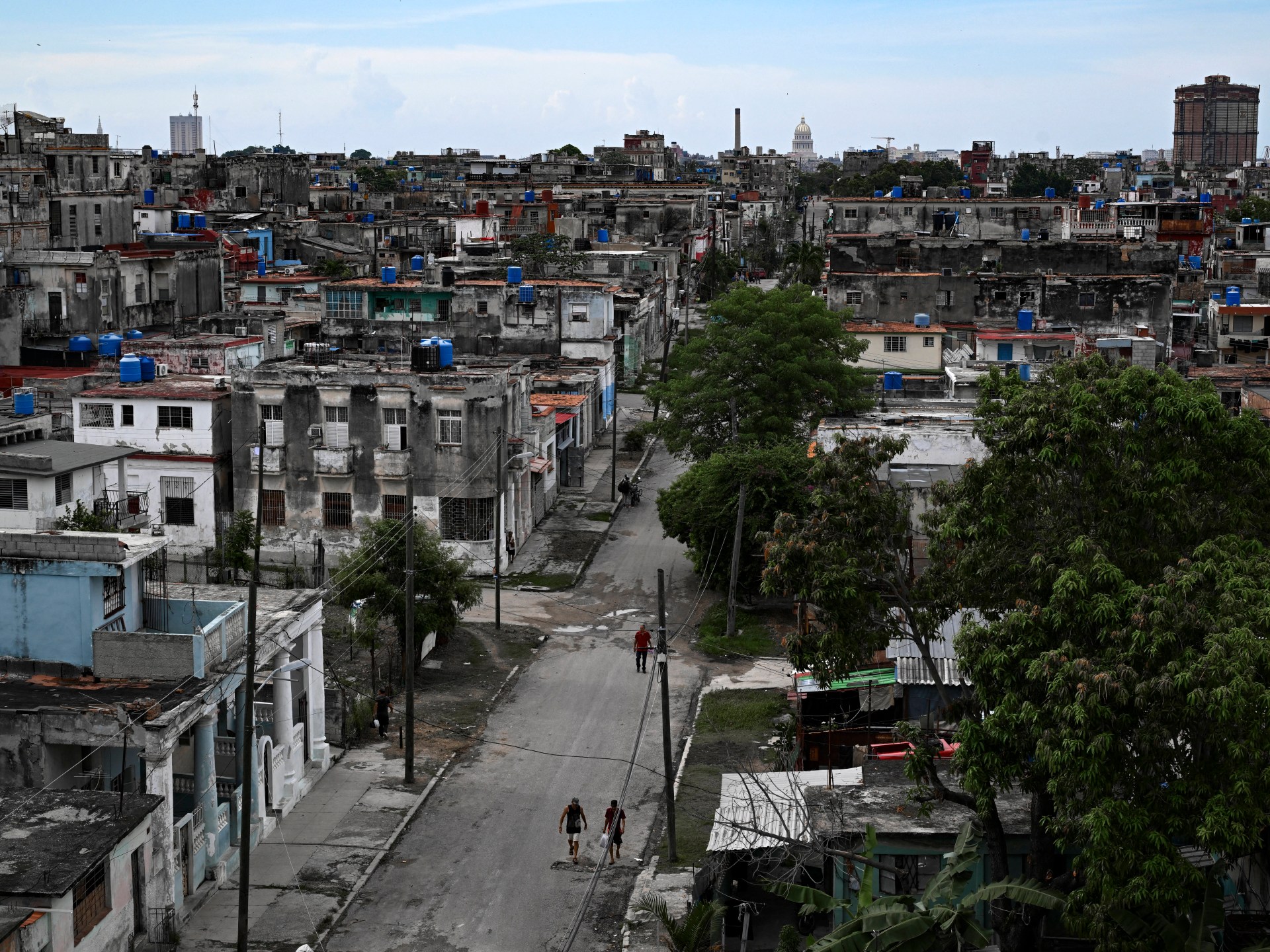
Cuba used a United Nations General Assembly debate on Tuesday to press governments to oppose US measures against the island, as Havana blamed Washington for worsening economic distress. The United States rejected Cuba’s accusation, with its ambassador saying the Cuban government, not Washington, is responsible for the country’s crisis.
Cuban Foreign Minister Bruno Rodriguez told the UN that the United States was waging what he called a “multi-dimensional, non-conventional warfare” against Cuba, according to Al Jazeera and AFP. He said the pressure campaign had lasted nearly seven decades and had become “more cruel and more ruthless” in recent months.
Rodriguez described the US policy as “collective punishment” and said the UN had a responsibility to address what he called a “ruthless crime.” He told the assembly that Cuba calculated damage from the embargo at a record $8bn from March 2025 through February 2026, a 7 percent rise from the previous comparable period.
Rodriguez said that estimate did not include what he called the “extreme impact” of US restrictions on fuel supplies imposed in February. Al Jazeera reported that Cuba has faced worsening power cuts as oil supplies to the island have been constrained.
Several regional blocs and countries from Africa and the Caribbean spoke in support of Cuba and criticised US policy, according to Al Jazeera and AFP. The General Assembly has adopted a non-binding resolution calling for an end to the US embargo every year since 1992, usually by a wide margin.
Support for Cuba’s position narrowed in the most recent annual vote last October, when 165 member states backed the resolution, down from 187 a year earlier, according to Al Jazeera and AFP. Seven countries voted against it and 12 abstained.
Tuesday’s vote on whether to hold the debate pointed to further slippage in support, with 136 countries in favour, nine opposed and 30 abstaining. Germany and Canada, described by Al Jazeera and AFP as traditional supporters of the debate, were among the abstentions.
US Ambassador Mike Waltz denied that Washington was blockading Cuba. “There is no American blockade,” he told the assembly, adding that “the only embargo in Cuba is the guillotine the regime keeps over the heads of its people.”
Rodriguez also addressed recent diplomatic contacts between Havana and Washington. He said there had been no progress and suggested that talks would not advance while US officials treated Cuba as “a vanquished or conquered adversary” or “as a colonial possession.”
The European Union’s ambassador to the UN, Stavros Lambrinidis, criticised US policy toward Cuba but also said Havana bore responsibility for conditions on the island. “The dire situation of the Cuban people is not only due to the embargo,” he said, while urging “meaningful political and economic reforms,” including respect for human rights.
Lambrinidis also condemned Cuba’s alignment with Moscow over Russia’s war in Ukraine. Al Jazeera’s Gabriel Elizondo, reporting from UN headquarters in New York, said the exchanges showed the depth of the dispute between Havana and Washington.
Al Jazeera reported that US President Donald Trump ordered restrictions on oil supplies to Cuba in January as part of a pressure campaign aimed at ending six decades of communist rule. Since then, Al Jazeera said, only one Russian oil tanker has reached Cuba, leaving Soviet-era power plants short of fuel.
Al Jazeera also reported growing shortages of food, drinking water and medicine in Cuba. The United Nations has warned of a humanitarian emergency, according to the report.
This story draws on original reporting from Al Jazeera.