
US-Iran deal leaves Netanyahu facing backlash at home
A planned US-Iran agreement has intensified criticism in Israel after months of war failed to remove Tehran’s government.
By James Whitfield · Staff Writer
3 min read
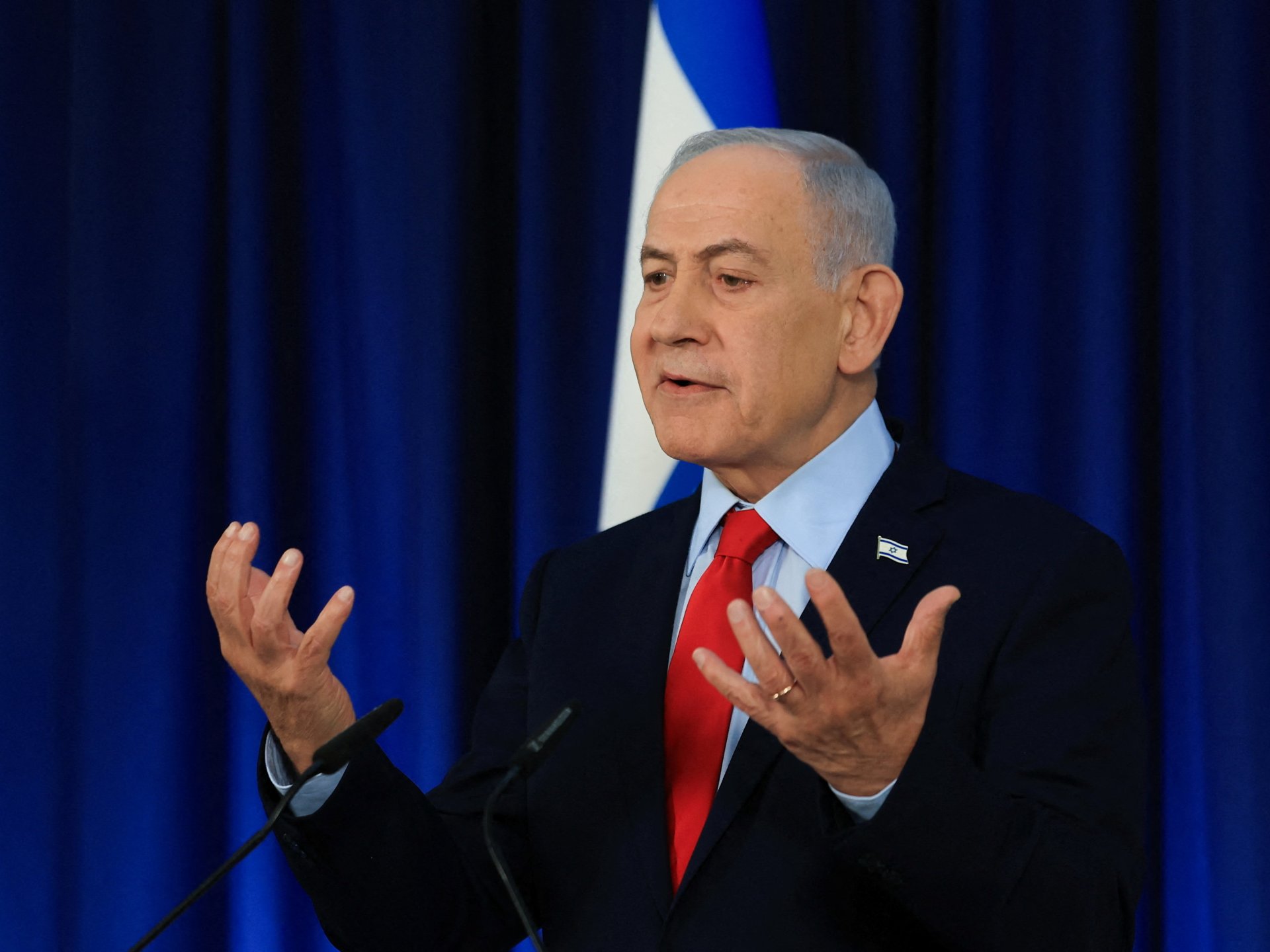
A US-brokered interim agreement with Iran has put Israeli Prime Minister Benjamin Netanyahu under pressure after three and a half months of war, according to Al Jazeera. The reported deal matters because it appears to leave Iran’s government intact while raising questions about Israel’s campaign in Lebanon and Netanyahu’s position before elections expected later this year.
Al Jazeera reported that the United States, Israel’s closest ally, arranged the agreement without any visible Israeli role. The deal is expected to be signed later this week, while President Donald Trump has said Iran will not be allowed to obtain nuclear weapons.
Israeli reaction has been sharp. Haaretz described the outcome as Netanyahu’s largest failure since the Hamas-led attack on Israel on October 7, 2023, according to Al Jazeera.
Opposition from across Israeli politics
Gadi Eisenkot, a centrist politician described by Al Jazeera as a leading potential challenger to Netanyahu, blamed the result on what he called a failed government. He contrasted Netanyahu’s promises of victory with the terms now being discussed between Washington and Tehran.
Netanyahu also faces criticism from the right flank of his own coalition. National Security Minister Itamar Ben-Gvir rejected the idea that Israel should follow understandings reached by Trump and Iranian leadership, while Finance Minister Bezalel Smotrich called the arrangement a bad deal, Al Jazeera reported.
Netanyahu has tried to separate himself from the decision to stop the fighting while still presenting Israel’s military campaign as a success. At a Monday news conference, he said Israel had removed for years the danger of annihilation and had saved the state, according to Al Jazeera.
Daniel Levy, a former Israeli government adviser, told Al Jazeera that Netanyahu’s argument was not convincing inside Israel. Levy said Israeli expectations rested on the belief that drawing the United States into the war would force Iran’s collapse or surrender, which he said did not happen.
Iran, Lebanon and the Strait of Hormuz
Analysts cited by Al Jazeera said the agreement leaves unresolved questions about Iran’s nuclear capacity and regional position. Tehran still controls access to the Strait of Hormuz, a critical route for oil shipments, and the effective closure of the strait has carried economic consequences, according to the report.
Ahron Bregman, a senior teaching fellow in war studies at King’s College London, told Al Jazeera that Netanyahu had caused Israel a strategic disaster. He said Israel began a war intended to topple Iran’s government, but that government remained in place and would rebuild its missile arsenal.
Lebanon may become another point of strain between Israel and Washington. Al Jazeera reported that Iran has made an end to Israeli attacks in Lebanon a condition for ending the war, while Netanyahu has argued that the US-Iran deal does not limit Israel’s freedom to operate there.
Trump signaled frustration with Israel’s conduct in Lebanon on Tuesday, saying he was not happy and that Netanyahu needed to be more responsible toward Israel’s northern neighbor, according to Al Jazeera. Bregman told the outlet that Lebanon could trigger future exchanges between Israel and Iran.
Alon Pinkas, a former Israeli ambassador and consul general in New York, told Al Jazeera that Netanyahu is entering an election period burdened by October 7, the Lebanon campaign and the Iran war. Pinkas said Netanyahu had favorable conditions, including US support and military advantages, but had failed to turn them into the outcome he sought.
This story draws on original reporting from Al Jazeera.