
US-Iran ceasefire opens 60-day test over nuclear terms
A framework to halt the war has calmed markets and Gulf states, but the hardest nuclear and sanctions questions remain unresolved.
By Sofia Marchetti · World Affairs Correspondent
4 min read
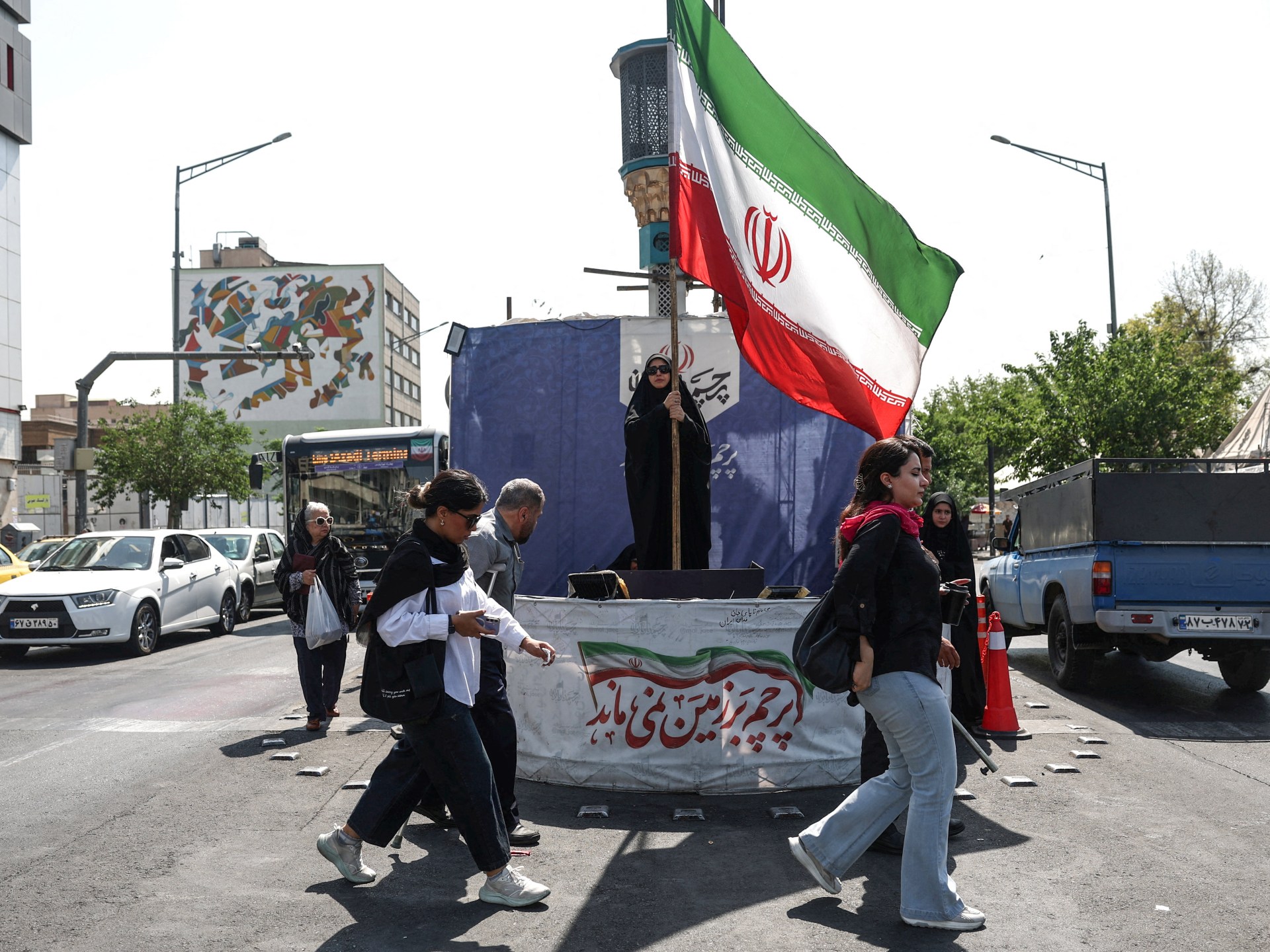
The United States and Iran have agreed to halt more than 100 days of fighting and begin a 60-day negotiating process, according to Al Jazeera. The arrangement has eased immediate regional pressure, but analysts told Al Jazeera that the main disputes behind the war remain unsettled.
The war began with US-Israeli strikes on Tehran on February 28, Al Jazeera reported. The agreement announced Monday is expected to be formally signed in Geneva on Friday, though the full text has not been released.
Al Jazeera reported that the deal has been welcomed by Gulf states after months of uncertainty and Iranian strikes on US military assets and infrastructure in their territories. It also reported that markets responded positively to the reopening of the Strait of Hormuz and lower oil prices after weeks of disruption.
Framework before settlement
Iran’s Mehr News Agency reported that the draft gives Washington and Tehran 60 days to reach a final settlement on Iran’s nuclear programme and its 440kg, or 970-pound, stockpile of highly enriched uranium. Mehr also reported that $24bn in frozen Iranian assets would be released during that period, but the US has not confirmed that account.
Mehr said Iran’s missile programme and its backing for regional armed groups have been removed from the negotiating agenda, despite earlier US demands. Maneli Mirkhan, a strategic adviser on Iran and global affairs, told Al Jazeera that no substantive nuclear agreement has yet been reached and described the memorandum as a basis for talks.
The next phase is expected to cover whether Iran can continue uranium enrichment, what happens to its highly enriched stockpile, how strict inspections will be and when sanctions relief would take effect, according to analysts cited by Al Jazeera.
Nuclear gaps remain wide
US Vice President JD Vance told US media that inspectors would be allowed back into Iran to help destroy the highly enriched stockpile, according to Al Jazeera. Iranian officials, however, have said nuclear talks will begin only after Friday’s signing and have not confirmed arrangements on inspectors or the stockpile.
Seyed Hossein Mousavian, a former Iranian diplomat and nuclear negotiator, told Al Jazeera that the central challenge is matching Iran’s demand to maintain a peaceful enrichment programme under the Treaty on the Non-Proliferation of Nuclear Weapons with Washington’s demand for limits that prevent military use.
Al Jazeera reported that Washington would prefer Iran to be barred from enrichment for about 20 years, including for nuclear power. Under the 2015 Joint Comprehensive Plan of Action, inspectors verified Iran’s uranium enrichment cap of 3.67 percent, but Iran later raised enrichment levels after the US withdrew from the accord in 2018 and restored sanctions, according to Al Jazeera.
Sanam Vakil of Chatham House told Al Jazeera that a possible compromise could pair the current moratorium with a low enrichment ceiling, a small stockpile and intrusive monitoring. She also said war damage complicates efforts to establish a reliable account of Iran’s remaining facilities, centrifuges and nuclear material.
Assets dispute tests trust
Iran’s Islamic Revolutionary Guard Corps said the Friday agreement would give Iran access to $24bn in frozen assets during the 60-day period, with half paid before talks begin, according to Al Jazeera. Vance denied that claim in an interview with CBS, saying reports of billions in asset releases were not true.
Sina Toossi, a senior fellow at the Center for International Policy, told Al Jazeera that trust may be a bigger barrier than technical nuclear issues. He said Tehran’s confidence was damaged by the February 28 strike while talks were underway and by the US withdrawal from the 2015 nuclear deal.
Mirkhan told Al Jazeera that Western policymakers worry Tehran could secure economic relief early while delaying concessions. Mousavian described phased access to frozen assets as a confidence-building measure, saying Iran has previously shown flexibility on enrichment limits, monitoring and stockpile reductions if its enrichment rights are recognised and economic benefits are delivered.
Missiles and proxies left aside
Critics say the agenda has narrowed. Ben Rhodes, a former deputy national security adviser under President Barack Obama, wrote on X that the deal reopens a waterway that was open before the war and starts a nuclear negotiation narrower than what President Donald Trump had sought before the conflict.
Dan Shapiro, a former US ambassador to Israel, said the emerging deal resembles the 2015 accord in leaving out ballistic missiles and proxy forces, according to Al Jazeera. Toossi told Al Jazeera the nuclear issue may now be harder because mistrust has deepened and Iran’s programme is more buried and covert.
Mirkhan told Al Jazeera that Iran’s nuclear programme, missiles and regional network support one another. Analysts cited by Al Jazeera said leaving those issues aside appears intended to secure immediate stability, while the 60-day talks will show whether the ceasefire can become a broader agreement.
This story draws on original reporting from Al Jazeera.