
Israel shifts Hebron holy site planning powers from Palestinians
The move affects the Ibrahimi Mosque in Hebron and drew Palestinian accusations that Israel violated past agreements and international law.
By Lucas Ferreira · Science & Environment Writer
3 min read
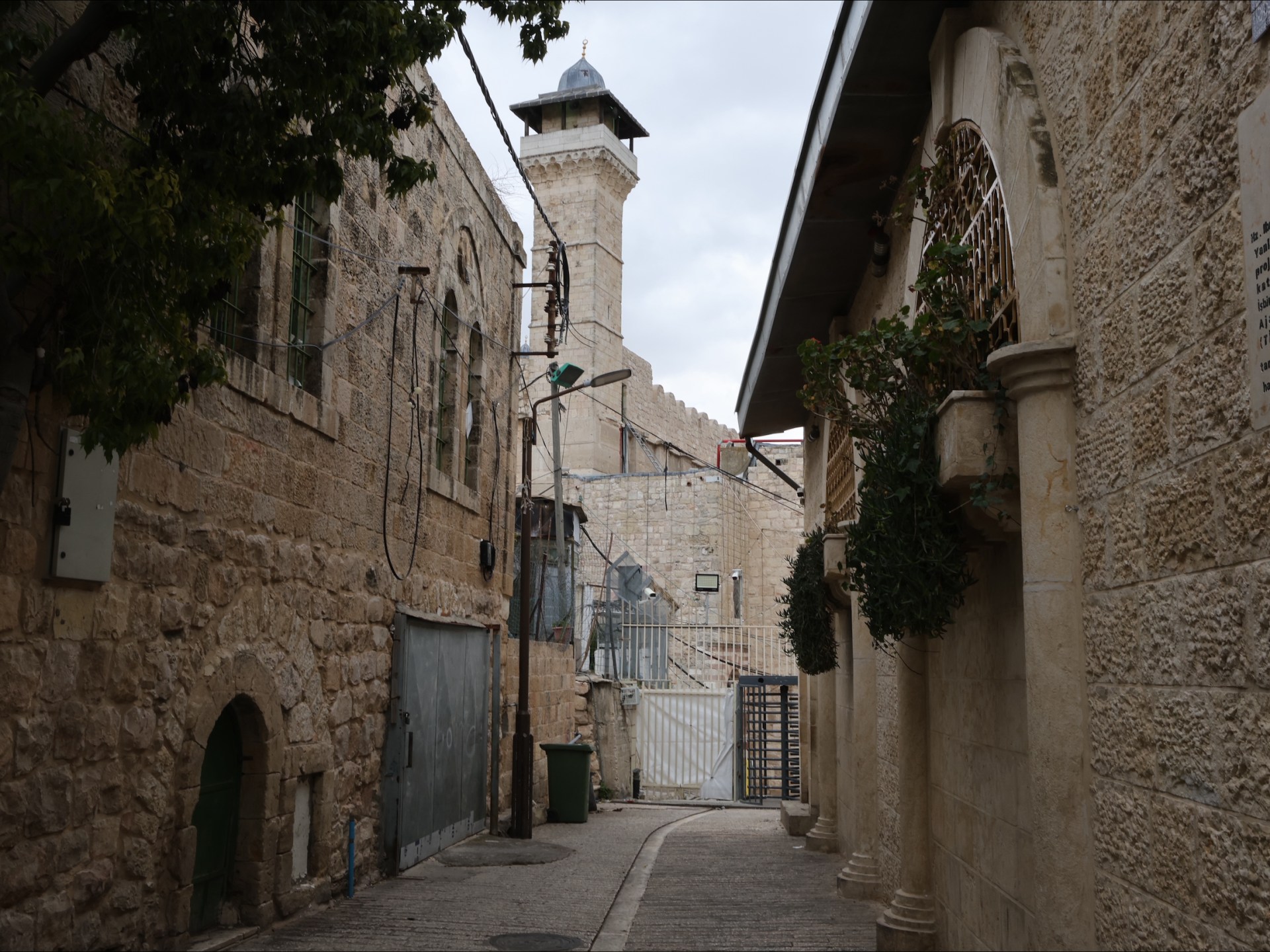
Israel has taken planning and construction authority at the Ibrahimi Mosque in Hebron away from Palestinian officials, Finance Minister Bezalel Smotrich said Tuesday. The decision matters because the site sits at the center of one of the most sensitive arrangements created by the 1997 Hebron Agreement.
Smotrich said the change was approved Monday night by Israel’s Higher Planning Council. Speaking at an inauguration ceremony for the Doran settlement in the southern Mount Hebron area, he said Israel had cancelled the Hebron agreements.
Israel’s Foreign Ministry disputed that characterization. In a post on X, the ministry said the Hebron Agreement had not been cancelled and said a cabinet decision months earlier dealt only with planning and construction authority in the Jewish settlement and at Jewish heritage sites, citing what it described as a complete lack of cooperation from the Hebron municipality.
The ministry said no other change had taken place. Its statement put the government’s public position at odds with Smotrich’s description of the move.
Dispute over the 1997 agreement
The Hebron Agreement was signed by Israeli Prime Minister Benjamin Netanyahu and former Palestine Liberation Organization Chairman Yasser Arafat. It divided Hebron into two sectors and left Israel with security control over H2, the area that includes the Jewish settlement and the Ibrahimi Mosque, which Jewish people call the Tomb of the Patriarchs.
Under that arrangement, civil powers, including planning and construction, remained with the Palestinian municipality, according to the agreement’s framework. The latest decision changes control over those powers at the mosque area, according to Smotrich.
The Palestinian Authority condemned the announcement. The office of President Mahmoud Abbas said the step was unlawful and called it a violation of agreements signed by Israel as well as international law.
Abbas’s office urged the international community, and the United States in particular, to intervene immediately to stop what it called a dangerous step. Hebron Mayor Yusuf al-Jabari said the agreements form the political framework for the city’s administrative, security and service arrangements.
Al-Jabari said any unilateral change outside existing international understandings would amount to a serious breach with wide consequences. His comments reflected Palestinian concern that the move could alter governance in Hebron beyond the immediate construction issue.
A long-contested site
The Ibrahimi Mosque has long been a flashpoint in Hebron. The site is revered by Muslims and Jews, and settlers took control of half of it after the original protocol, according to the reported history of the arrangement.
In 2017, Palestine placed Hebron’s Old City and the Ibrahimi Mosque on UNESCO’s World Heritage List and World Heritage in Danger List. The designation added international attention to disputes over the site and the surrounding old city.
Israeli peace group Peace Now criticized Smotrich over the decision. The group said the move was politically motivated and accused him of endangering Israel’s interests and security to appeal to far-right voters.
Palestinians say the decision fits into a broader series of Israeli steps toward de facto annexation of the West Bank. Israel has occupied the West Bank since 1967, and Hebron remains one of the most tightly contested cities under the arrangements that followed the 1990s peace accords.
This story draws on original reporting from Al Jazeera.