
U.S.-Iran ceasefire faces strain as talks are expected to continue
Jake Sullivan told NPR both sides still have reasons to negotiate despite new strikes and warnings in the Gulf.
By Lucas Ferreira · Science & Environment Writer
2 min read
The U.S.-Iran ceasefire is under pressure after the two countries exchanged strikes and warnings, but talks on a wider agreement appear set to continue. Jake Sullivan, a former U.S. national security adviser and a negotiator of the 2015 Iran nuclear deal, told NPR that the pattern may become a cycle of violence followed by renewed diplomacy.
A senior U.S. official, speaking to NPR on condition of anonymity because of the sensitivity of the negotiations, said “nothing has been canceled” and that discussions remain on track in the coming days. The Associated Press reported that Pakistan, which has acted as a key mediator, said talks are expected to resume Tuesday.
Sullivan, who served as national security adviser under President Joe Biden, said on NPR’s Morning Edition that both Washington and Tehran have reasons to avoid a broader conflict. He said Iran has an incentive to pursue sanctions relief and access to tens of billions of dollars in frozen assets.
For the United States, Sullivan said, the main incentive is avoiding another open-ended war. He described a likely pattern in which military flare-ups are followed by efforts to calm the situation and return to negotiations.
“I think we will see these flare-ups, and then we will see de-escalation and a return to the table. I think that is the new normal,” Sullivan told NPR.
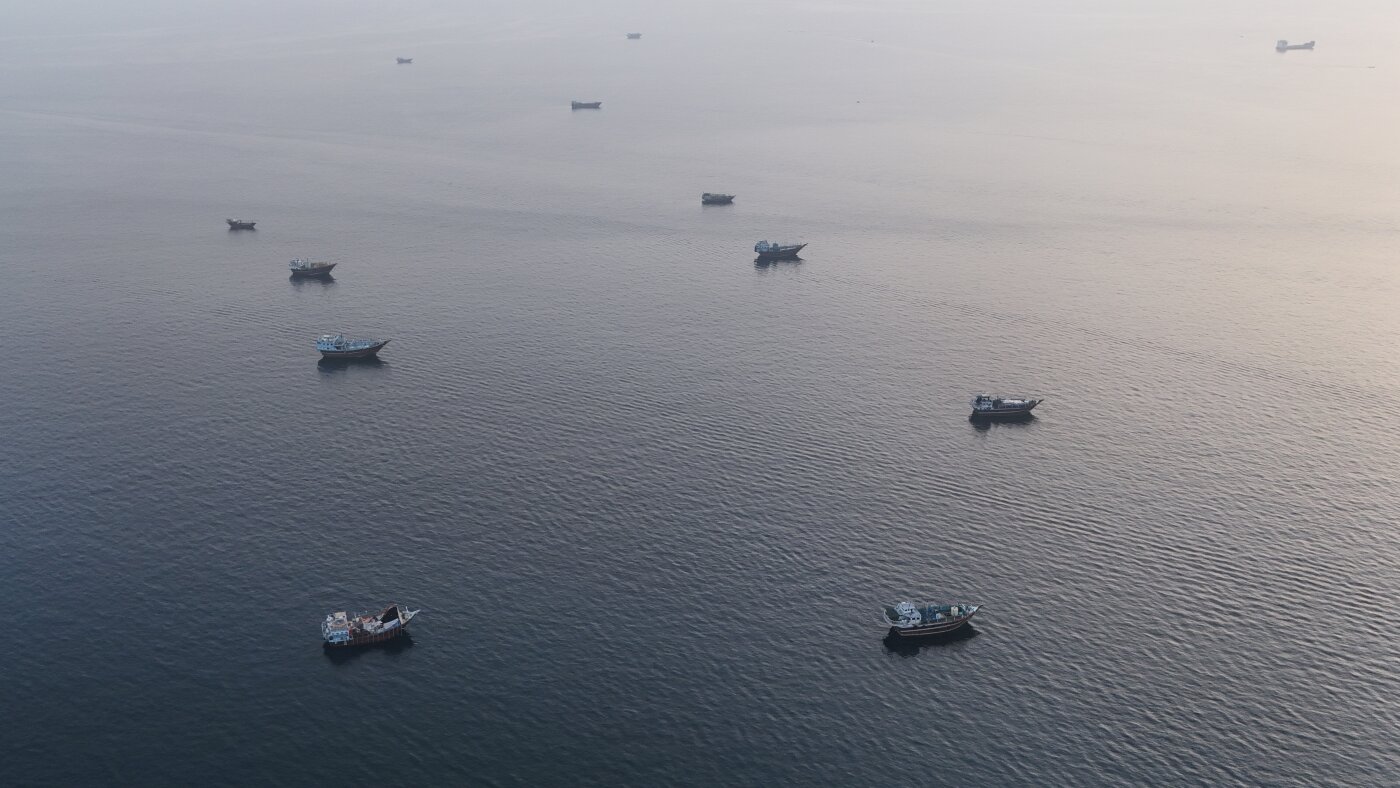
The latest tensions include attacks in the Gulf region. Iranian state media said June 27 that Iran had launched attacks on U.S. sites in the Gulf in response to American strikes on Iran. Washington had accused Tehran of attacking a U.S. cargo ship in the Strait of Hormuz, according to NPR.
The Strait of Hormuz remains central to the dispute. Sullivan told NPR that an agreement involving the strait has shifted leverage toward Iran. He also said Gulf states could choose to make their own arrangements with Tehran, a development that could leave Washington with less sway in the region.
The negotiations are taking place against the backdrop of the 2015 Iran nuclear deal, which Sullivan helped negotiate. That agreement was aimed at limiting Iran’s nuclear program in exchange for sanctions relief, and its legacy continues to shape U.S. diplomacy with Tehran.
For now, the ceasefire has not stopped military action, but the diplomatic channel remains open, according to NPR’s reporting and the AP account of Pakistan’s mediation role. Sullivan’s assessment points to a fragile process in which both sides may keep using force while trying to preserve room for a deal.
This story draws on original reporting from NPR.