
US-Iran ceasefire extension draws cautious support abroad
Pakistan says the Islamabad MoU is in effect, extending the ceasefire for 60 days and setting up talks on Iran’s nuclear programme and sanctions.
By Daniel Okafor · Business Editor
3 min read
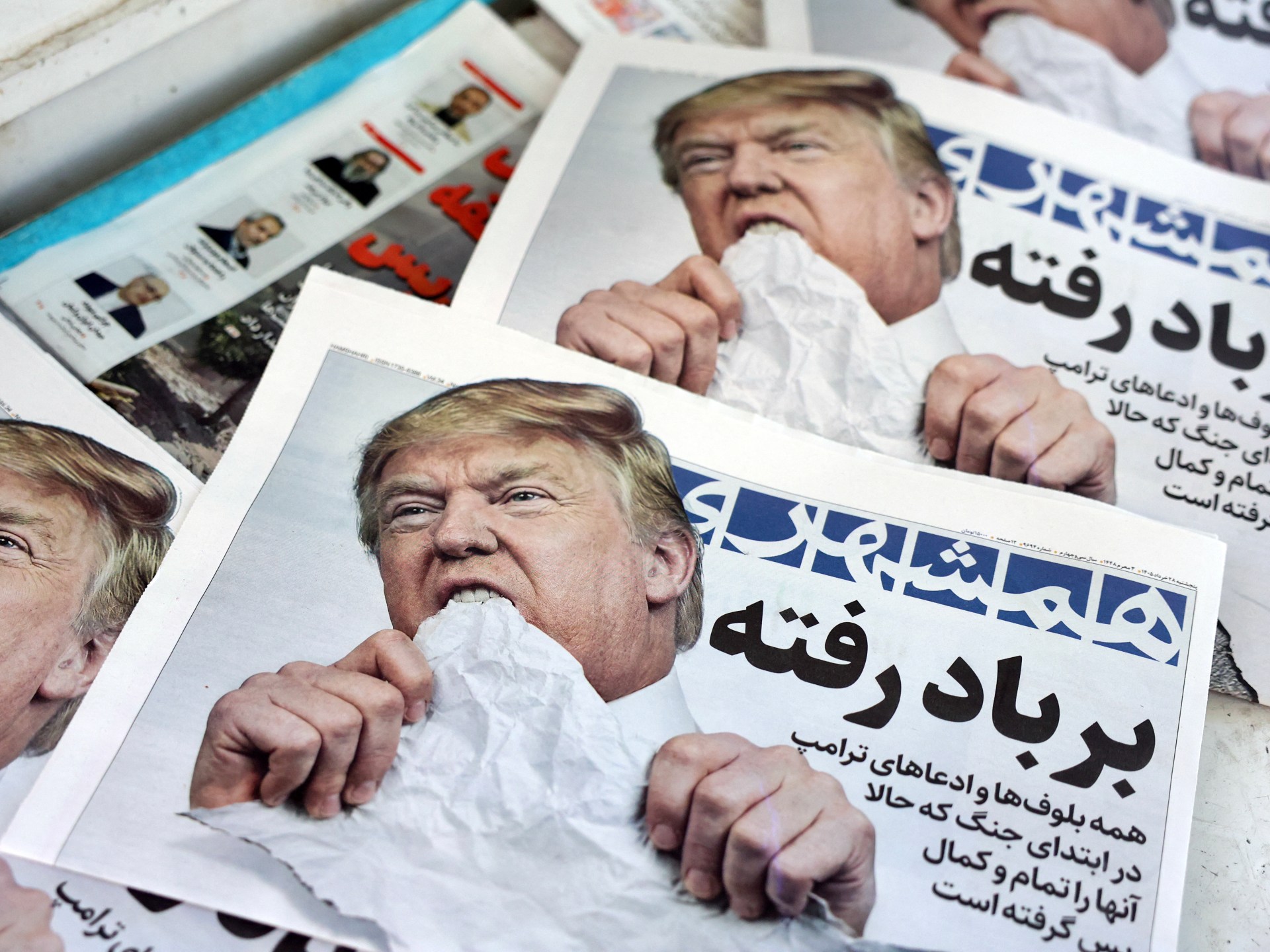
A US-Iran memorandum extending a ceasefire and reopening the Strait of Hormuz drew support from several governments while exposing divisions in Washington and firm red lines from Tehran. Pakistan, which mediated the talks, said the “Islamabad MoU” took effect on Wednesday after US President Donald Trump and Iranian President Masoud Pezeshkian signed it electronically.
US officials said the agreement includes Iran restating that it will not develop a nuclear weapon, an end to the war on all fronts and the reopening of the Strait of Hormuz. The war began on February 28, when the United States and Israel launched strikes on Iran, and a temporary ceasefire had suspended much of the heaviest fighting since April 8.
The new agreement extends the ceasefire for 60 days, according to Al Jazeera and Reuters. That period is expected to allow talks on Iran’s nuclear programme, US sanctions on Tehran and frozen Iranian assets.
Iran sets limits on talks
Iranian Foreign Ministry spokesperson Esmaeil Baghaei told Iranian media that Tehran would monitor US compliance “without any leniency” and would not meet its own commitments if Washington avoided its obligations. He said Iran’s nuclear programme and the lifting of US sanctions would be discussed during the 60-day window.
Baghaei said Iran’s missile programme would not be part of negotiations. He also said Tehran would not send its stockpile of highly enriched uranium abroad, and that the United States was responsible for pressing Israel to respect commitments to Iran.
On the Strait of Hormuz, Baghaei said Iran and Oman would finish work on a new management arrangement under which fees would be charged for services there.
Mixed response in the United States
Video from the Palace of Versailles showed Trump signing the interim agreement and telling those present, “This was not easy.” The deal drew criticism from some Republicans, who argued it would waste taxpayer money and would not do enough to limit Iran’s nuclear programme, according to Al Jazeera and Reuters.
Other Republicans backed the agreement. Senator Roger Marshall praised the memorandum in a post on X, calling it a “winning deal” and saying it was better than the Iran agreement reached under former President Barack Obama, which Trump left in 2018.
Mediators and foreign governments welcome the move
Pakistan’s Prime Minister Shehbaz Sharif said on X that he was honoured to announce the signing of the “Islamabad Memorandum of Understanding.” He said both presidents had signed it and that he had endorsed it as mediator, calling it evidence of both sides’ commitment to a diplomatic settlement.
International Atomic Energy Agency Director-General Rafael Grossi welcomed the interim agreement and said the UN nuclear watchdog now needed to work with US and Iranian officials on specific steps for Iran’s nuclear programme. Reuters quoted Grossi as saying that “the technical work starts” now.
French President Emmanuel Macron posted a video of Trump signing the agreement at Versailles. Macron said on X that the deal opened a path to lasting peace, allowed the Strait of Hormuz to reopen and could soon help lower energy prices for French citizens.
China’s Foreign Ministry spokesperson Lin Jian said Beijing welcomed the agreement and hoped Washington and Tehran would approach the next stage of talks “rationally and pragmatically.” Russia’s Foreign Ministry also said it welcomed the ceasefire agreement.
Hezbollah leader Naim Qassem called the agreement a “big victory” in a televised address. He said negotiations between Lebanon and Israel should focus on mutual security and rejected any proposal tied to Hezbollah’s disarmament.
This story draws on original reporting from Al Jazeera.