
Rial rallies after US-Iran understanding, but prices stay high
Iran’s currency and stocks gained after a US-Iran memorandum, while Tehran shoppers told Al Jazeera food and household costs have not eased.
By Sofia Marchetti · World Affairs Correspondent
3 min read
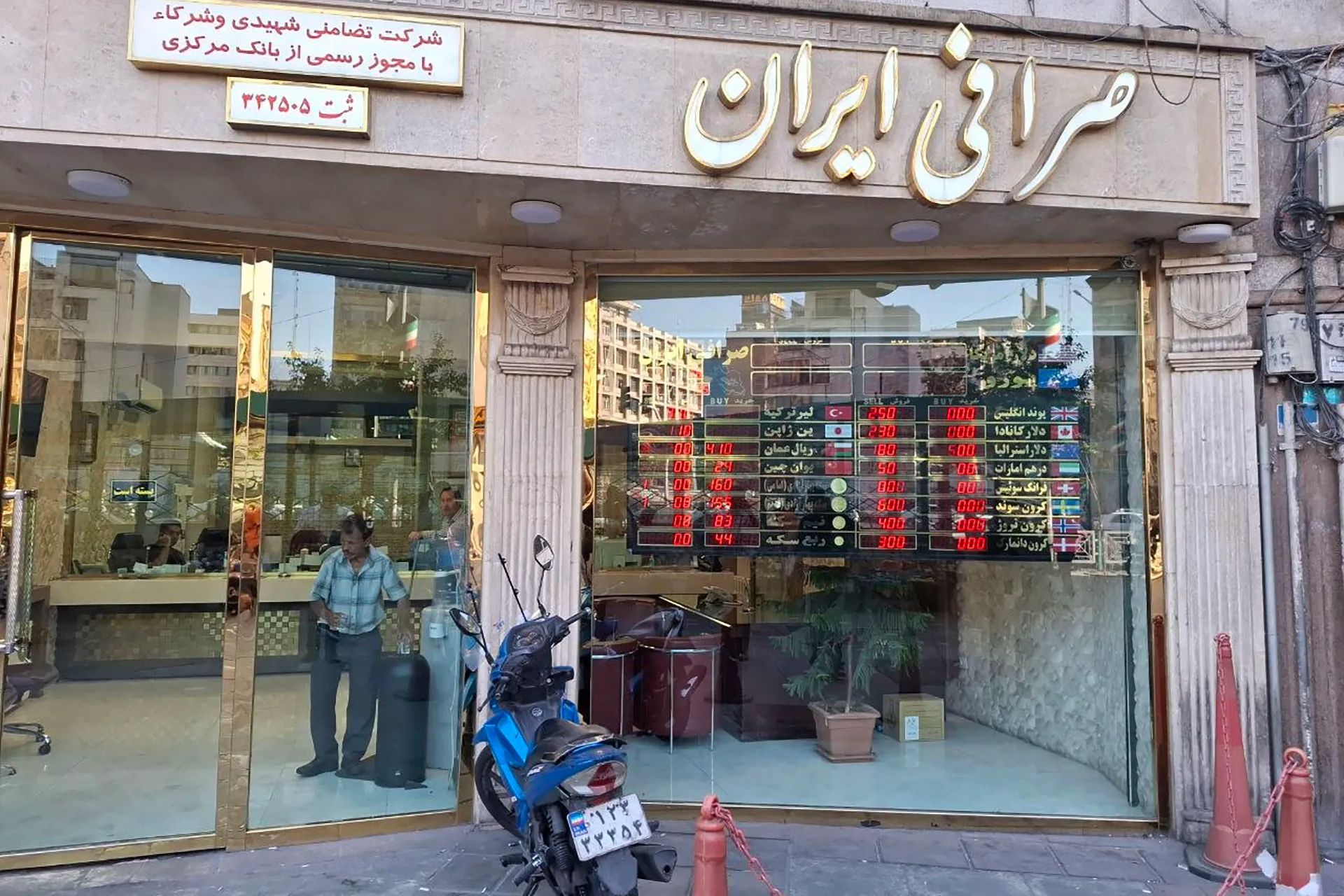
Iran’s rial strengthened and Tehran shares hit new highs after the United States and Iran reached a memorandum of understanding, according to Al Jazeera. The market gains have not yet translated into cheaper essentials for many Iranians, who continue to face high prices after years of inflation, sanctions and wartime disruption.
Al Jazeera reported that the rial rose by more than 15 percent against the dollar after the agreement announced on Sunday. At currency exchanges on Tehran’s Ferdowsi Street, the dollar fell from 1.8 million rials to 1.54 million rials within two days of the initial agreement, according to the outlet.
Amir, a 35-year-old exchange office employee who asked Al Jazeera not to publish his full name, said his office had stopped trading shortly before the announcement at 1.8 million rials to the dollar. He said the rate had since fallen to 1.54 million and that traders expected more gains for the rial.
Al Jazeera reported that sales of foreign currency had increased, while many would-be buyers were waiting to see whether the dollar would fall further, possibly to 1.4 million rials or below. The move marks a reversal from the period after the war began, when the exchange rate reached 1.9 million rials to the dollar in March before easing to about 1.685 million ahead of recent attacks despite a ceasefire.
Household costs lag behind currency gains
Tehran residents told Al Jazeera that food and household costs have not moved in line with the currency market. Reza, a 42-year-old resident, said milk, cheese, cooking oil and flour cost the same as they did a week earlier.
Ramin, a 55-year-old shop owner, told the outlet that subsidised goods such as bread are still distributed by the government, while changes in the free-market dollar rate do not immediately show up in basic food prices. The free-market dollar rate differs from Iran’s official exchange rate.
Karim, another shopkeeper, said imported items including shampoo, toothpaste and laundry detergent remained expensive because distributors said they had purchased stock at earlier exchange rates. He estimated it would take at least two weeks for cheaper replacement stock to affect prices.
Stocks surge as investors bet on relief
The Tehran Stock Exchange rallied sharply as investors priced in the possibility of better economic conditions, Al Jazeera reported. On Monday, the main index rose by 161,000 points, which the outlet described as a record single-session gain and the largest cash inflow from individual investors.
By Tuesday, the index had added another 112,000 points, passed the 5 million mark and settled at a record 5.1 million. Saeed, a 40-year-old investor, told Al Jazeera that buyers were targeting energy and petrochemical shares on expectations that exports could resume and foreign markets could reopen.
Saeed also warned that Tehran’s market can be driven by rumours. He pointed to the 2015 nuclear deal, after which shares rose before later falling following US President Donald Trump’s 2018 withdrawal from the agreement, under which Iran accepted limits on its nuclear programme in exchange for sanctions relief.
Other sectors remain frozen
Some parts of the economy are waiting for clearer signals. Reza, a 38-year-old electronics shop owner in central Tehran, told Al Jazeera that imported appliance prices had fallen with the dollar, but customers were delaying purchases in the hope of further cuts.
Nasrin, a 36-year-old real estate agent in northern Tehran, said a recent rise in housing prices after the initial truce had given way to stalled transactions, with many owners still asking elevated prices.
Hossein Selahvarzi, former head of the Iran Chamber of Commerce, Industries, Mines and Agriculture, told Al Jazeera the agreement was “not a magic wand” for Iran’s economy. He said ending military confrontation does not by itself create prosperity and that the country has only a limited chance to restore stability and repair deeper economic problems.
This story draws on original reporting from Al Jazeera.