
U.S. Iran attacks resume as Fauci faces Senate COVID questions
Iran fired missiles at U.S. forces in the Middle East, while Anthony Fauci heads to a Senate hearing on COVID-19 origins.
By James Whitfield · Staff Writer
3 min read
U.S. Iran attacks resumed after Iran fired missiles at American forces in the Middle East on Tuesday, according to U.S. Central Command. NPR reported that U.S. defenses intercepted all of the missiles, while U.S. and Saudi forces answered with strikes on Iranian-backed militias in Iraq.
The renewed fighting adds pressure to a conflict now five months into a war that Israel and the U.S. launched together, NPR’s Franco Ordoñez reported. The escalation came the same day President Trump met at the White House with Israeli Prime Minister Benjamin Netanyahu and Ukrainian leader Volodymyr Zelenskyy.
Why did the U.S. and Iran resume attacks?
According to U.S. Central Command, the latest round began when Iran launched missiles at U.S. forces shortly before 6 p.m. ET. NPR reported that the U.S. and Saudi response targeted Iranian-backed militias in Iraq, with Saudi Arabia’s role standing out as an unusual show of force in this conflict.
Ordoñez reported that Netanyahu arrived seeking to repair a strained U.S.-Israel relationship. Israel wants to keep fighting to counter threats from Iran and Iran-backed Hezbollah in Lebanon, and it does not want Trump to agree to terms that would restrict Israel’s ability to defend itself, Ordoñez said.
Trump backs Israel’s security but wants a quick end to a war that NPR described as unpopular, Ordoñez reported. He also wants the Strait of Hormuz reopened and wants to address rising gasoline prices. Michael O’Hanlon of the Brookings Institution told NPR that Trump and Netanyahu remain cooperative, but their relationship is complicated because neither side has a clear way to end the conflict.
What will Fauci be asked about in the Senate?
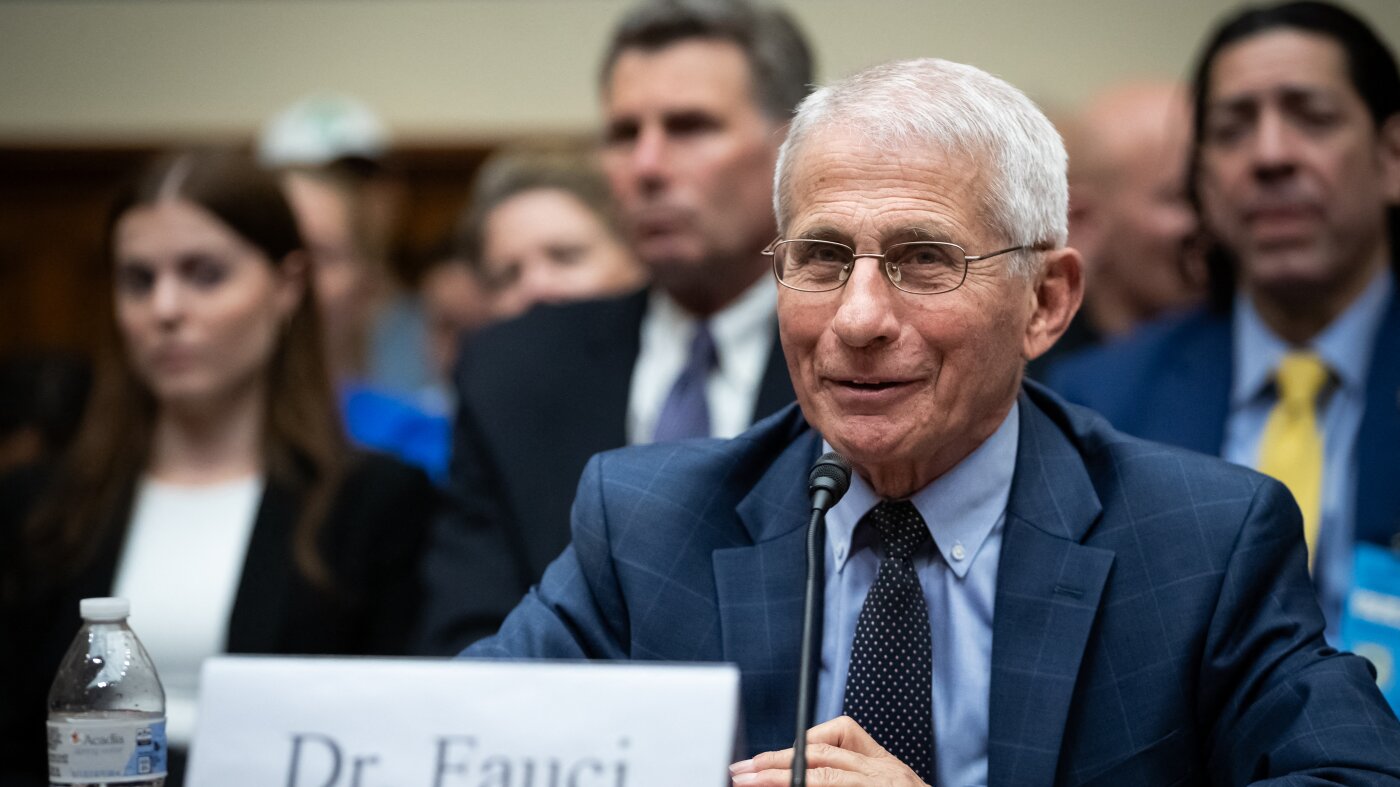
Dr. Anthony Fauci is scheduled to testify before a Senate committee as part of continuing inquiries into the origins of COVID-19, NPR reported. The hearing follows years of debate over whether the virus came from a Chinese laboratory, though NPR noted that the current scientific consensus is that COVID-19 moved naturally from an animal source to people.
Sen. Rand Paul, R-Ky., released diary entries that he said Fauci wrote between December 2019 and December 2022. NPR reported that Paul posted more than 1,000 pages over the weekend, removed them Monday and reposted them Tuesday with redactions.
Paul said on social media that the entries showed a gap between Fauci’s private notes and his public statements, according to NPR. Fauci’s legal team wrote to Paul last month accusing the senator of carrying out a “years-long public crusade” against Fauci.
What else is on Washington’s agenda?
Federal Reserve policymakers are also meeting to discuss interest rates, NPR reported. Kevin Warsh, who became Fed chairman two months ago, said earlier this month that the central bank’s rate-setting committee remains focused on controlling prices.
In June, Fed committee members signaled that their next move would probably be a rate increase, according to NPR. Inflation eased somewhat last month, however, which could lead policymakers to keep rates where they are for now.
NPR also reported that water quality has become a political issue in Iowa’s governor’s race. The Iowa Cancer Registry says the state has the second-highest cancer rate in the U.S. and that rates continue to rise; both Democrat Rob Sand and Republican Zach Lahn say more action is needed to improve water quality.
This story draws on original reporting from NPR.