
DHS rejects GAO call for automatic ICE body-camera activation
DHS rejected a watchdog’s proposed automatic activation controls for ICE cameras, citing privacy risks involving informants and victims.
By Sofia Marchetti · World Affairs Correspondent
2 min read
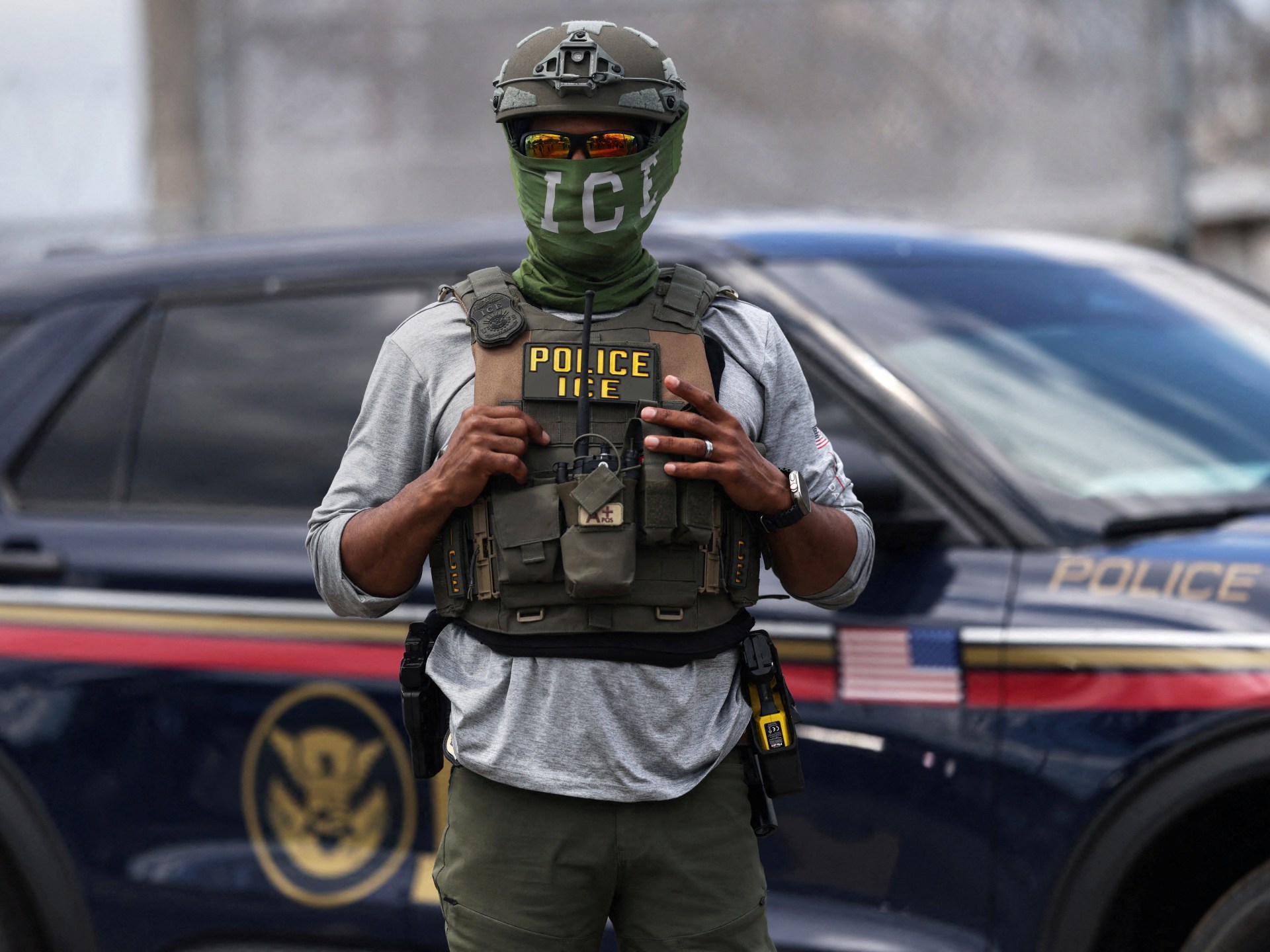
The Department of Homeland Security rejected a Government Accountability Office recommendation to add automatic activation controls to ICE body cameras, according to a report publicly released October 14. The dispute over ICE automatic body cameras concerns a backup to required recording rules during unexpected encounters, rather than a proposal for cameras to record continuously.
The GAO said technology could activate a camera when a related action occurs, such as an officer engaging emergency lights. That would give the agency better assurance that personnel capture footage as ICE policy requires, the watchdog said.
What did GAO recommend for ICE body cameras?
The GAO recommended that ICE add controls, including automated activation, to help make sure cameras are turned on in accordance with policy. DHS accepted six of the report’s seven recommendations but did not agree to adopt the automated-activation measure, the GAO said.
DHS said such a system could make unauthorized recordings of sensitive exchanges with informants or victims, according to Associated Press reporting. Automatic triggers could include an officer drawing a weapon or activating a vehicle siren, the AP reported.
Body cameras record interactions between law-enforcement personnel and the public. ICE’s current written policy requires officers to begin recording enforcement work at the start of an activity or, when that is not practical, as soon as it is safe to do so. Officers must document any failure to activate a camera or an interruption in recording, according to a 2024 DHS privacy assessment.
What else did the GAO find?
The watchdog found that ICE had not updated its body-camera program plan since 2024, despite changes including planned increases in deployment and a 2025 pause in further deployment. It also said ICE had not established results-focused goals and measures to assess whether its camera program was meeting its stated aims.
Most ICE and Customs and Border Protection offices had not written operational guidance tailored to their local work, the GAO found. The report said that gap increases the risk that personnel will not use cameras as policy requires.
GAO reported that ICE had deployed about 4,800 cameras as of April 2026, split nearly evenly between Enforcement and Removal Operations and Homeland Security Investigations. In a later statement cited by the AP, DHS said all ICE offices had received cameras by August 5, while training for officers was still under way.
The figures describe different points in the rollout: the GAO number is an April deployment count, while DHS’s later statement refers to cameras reaching ICE offices. The GAO report was published September 15 and publicly released October 14.
This story draws on original reporting from Al Jazeera.