
Ukrainian drone strikes push Russia’s war fears far beyond the front
Ukraine’s long-range drone campaign is disrupting Russian cities and supply lines as Putin signals interest in renewed peace talks.
By James Whitfield · Staff Writer
3 min read
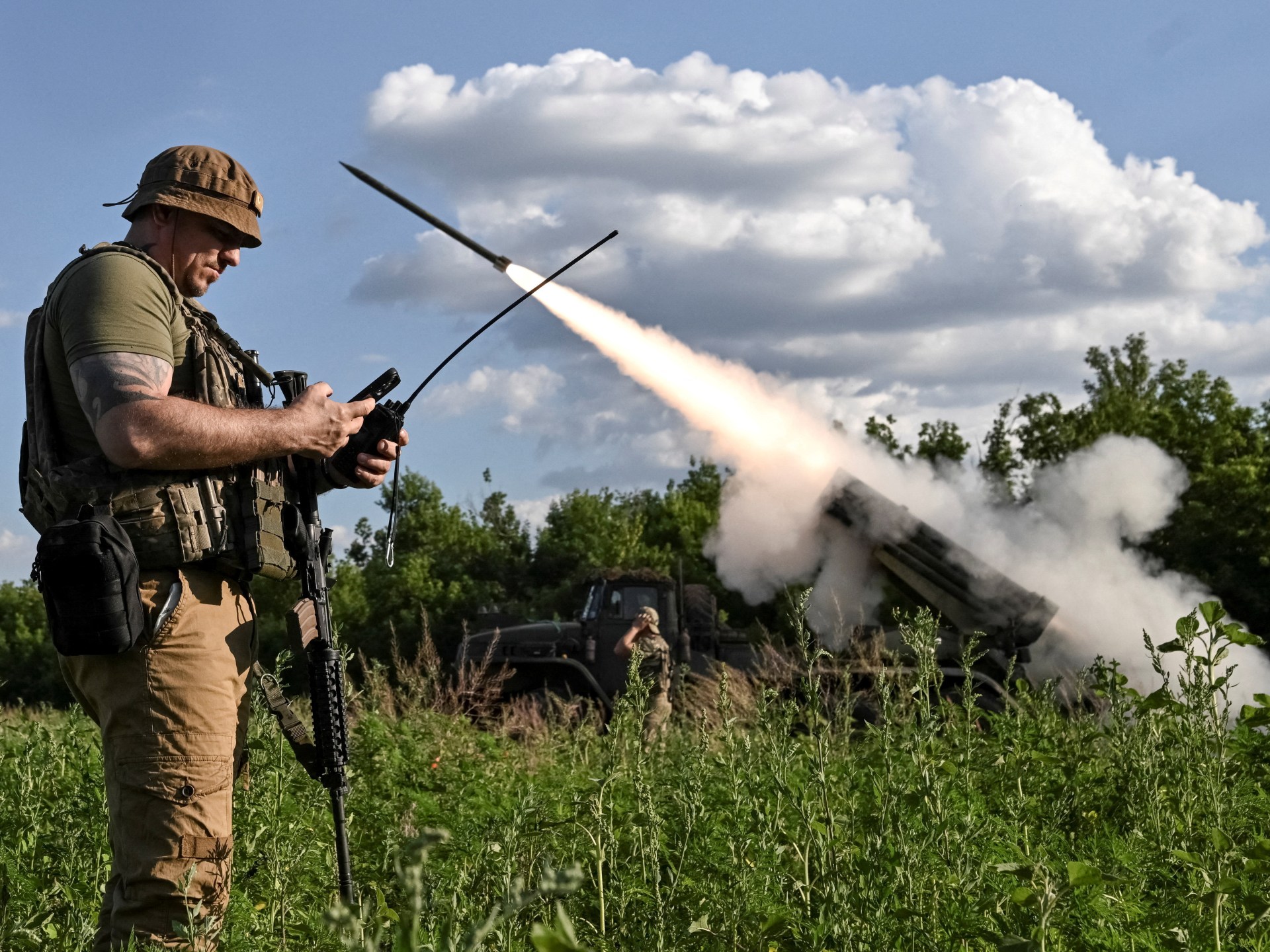
Ukrainian drone attacks are reaching deeper into Russia, bringing disruption to cities once viewed as far from the war and adding pressure on Moscow’s military rear. Al Jazeera reported that the strikes have hit fuel infrastructure, airports and communities far from the Ukrainian border as Russia’s battlefield gains slow.
In late April, Ukrainian drones attacked Yekaterinburg, the main city in Russia’s Urals region, more than 1,800km from Ukraine, according to Al Jazeera. The outlet reported that Ukraine aimed to hit a plant linked to air defence system components, and that the city’s airport has closed at least five times since the first attack.
Anatoly, a 45-year-old small-business owner in Yekaterinburg, told Al Jazeera that prices are rising, shops are closing and motorists are queueing for petrol. He said fuel is not being sold in canisters to limit resale, and that some residents are storing food because they fear a broader crisis. Al Jazeera said he withheld his surname because he opposes the war.
Putin points to talks as analysts see pressure
Russian President Vladimir Putin said Tuesday that Moscow is ready to resume peace talks with Ukraine based on proposals discussed in Istanbul in 2022. Al Jazeera reported that earlier talks had stalled after US-Israeli strikes on Iran.
Kyiv is likely to reject many of Moscow’s conditions, Al Jazeera reported, while analysts said Putin may be seeking time. Nikolay Mitrokhin, a Moscow-born researcher at Germany’s Bremen University, told Al Jazeera that Putin wants a way out of a difficult position and said Ukraine has its strongest chance to win since autumn 2022.
Al Jazeera reported that Russia’s summer offensive, intended to seize the Kyiv-held part of Donbas and take more territory in Ukraine’s north and south, has failed. Mitrokhin said Russian forces still advance slowly in Donbas, but he argued that those gains cannot offset pressure in the rear, where Ukrainian drones increasingly threaten supply routes.
Sergey Markov, head of the Moscow-based Institute for Political Research and a pro-Kremlin analyst, set out Moscow’s demands on Telegram, according to Al Jazeera. He said Ukraine should be “de-Nazified,” demilitarised, barred from NATO, restricted in heavy weapons and troop numbers, and required to accept security guarantees involving Western countries and Russia.
Markov also said Ukraine should stop what he called repression of the Russian language, abandon any nuclear weapons ambitions, withdraw from Donbas and accept Crimea as part of Russia in some legal form, Al Jazeera reported. He said any peace agreement should be signed by a “legitimate” Ukrainian leader, echoing Moscow’s claim that President Volodymyr Zelenskyy’s term has expired. Ukraine has not held elections under martial law.
Economic strain and fear spread
Sergey Biziykin, an exiled opposition activist from Ryazan, told Al Jazeera that many Russians who supported the war expected a quick victory and have grown disillusioned as the conflict dragged on. He said Russians have a high tolerance for hardship, and that active opponents have largely left the country.
Some Moscow residents have sought safety outside the capital, but Al Jazeera reported that drone alerts and air defence blasts have followed them. Arseny, a Moscow copywriter who moved to a country house in the Yaroslav region, told the outlet he still heard drones being shot down nearby and felt his house shake from explosions.
A June 11 report by Sweden’s Kiel Institute for the World Economy and the Stockholm Institute of Transition Economics said Ukrainian “drone sanctions” are contributing to signs of structural exhaustion in Russia’s economy. The report said Russia’s economy has not collapsed, but its foundations have eroded quickly.
In Kyiv, financial consultant Hannah Onopriyenko told Al Jazeera she feels schadenfreude as Russians experience attacks. She said her Lukyanivka neighbourhood has endured dozens of Russian drone strikes, including a late-May attack that killed three people, wounded dozens and burned a shopping centre above a subway station.
This story draws on original reporting from Al Jazeera.