
Rubio warns against Iranian tolls in Strait of Hormuz
The US secretary of state said Gulf states oppose any Iranian charge on ships using the key waterway as he promoted a US-Iran interim deal.
By Daniel Okafor · Business Editor
3 min read
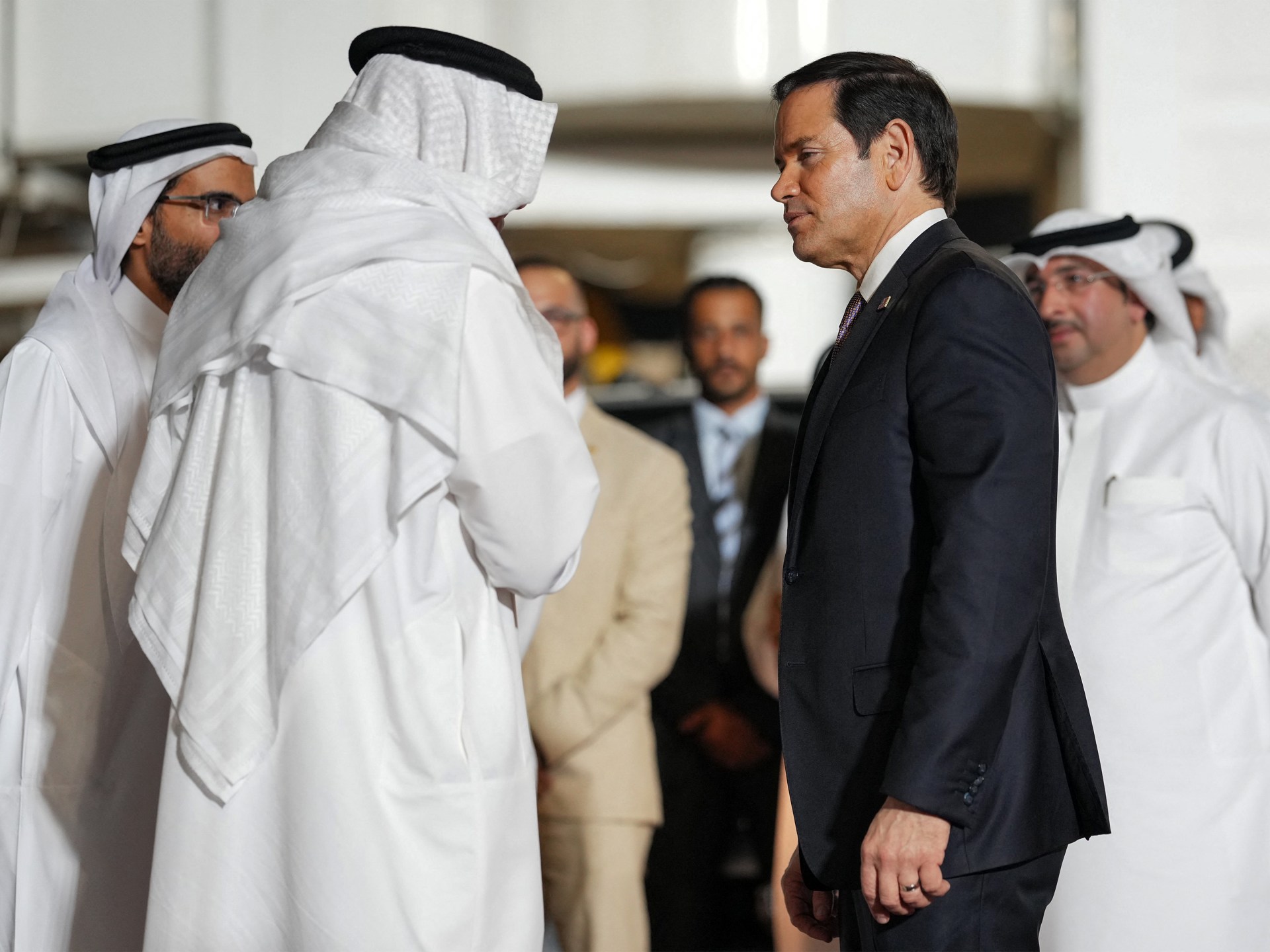
US Secretary of State Marco Rubio warned Thursday that allowing Iran to charge ships for passage through the Strait of Hormuz would encourage similar demands in other waterways, Al Jazeera and Reuters reported. His remarks came as he ended a three-day Gulf tour aimed at securing regional backing for a US-Iran interim agreement intended to move both countries toward ending their war.
Speaking after a Gulf Cooperation Council meeting in Bahrain, Rubio said international waterways do not belong to individual states. He argued that accepting a toll because a waterway runs near a country’s territory would set a precedent that could spread globally.
Rubio said Gulf countries had shown no support for an Iranian toll on vessels crossing the Strait of Hormuz, according to Al Jazeera and Reuters. The strait is a key passage for regional shipping and energy flows, and the toll issue has become part of wider talks over security guarantees tied to the interim deal.
The Bahrain stop closed Rubio’s first high-level diplomatic trip to the Gulf since Washington and Tehran agreed to a memorandum of understanding to extend their ceasefire and begin talks on a permanent end to the conflict, Al Jazeera and Reuters reported. The war has lasted more than 100 days and began on February 28 with US-Israeli strikes on Iran.
Gulf allies seek security assurances
Rubio used the trip to tell Gulf leaders that any settlement with Iran would account for their security interests, according to Al Jazeera and Reuters. In Manama, he told Bahraini leaders the United States wanted an agreement that considered the interests of its allies.
He said Washington was open to peace that was lasting and real, and that did not weaken security or prosperity for the United States or its allies. Al Jazeera and Reuters reported that Gulf Arab leaders have been wary that concessions to Tehran could strengthen Iran and alter the region’s security balance and oil flows.
Rubio also visited the United Arab Emirates and Kuwait before Bahrain. In Kuwait, he told reporters the United States would not take steps that undercut the security of longstanding allies in the region, according to Al Jazeera and Reuters.
Al Jazeera and Reuters reported that Iran attacked all GCC states during the war. Rubio’s meetings were aimed at persuading those governments that the proposed deal was not too favorable to Tehran.
No Gulf request on Iran reconstruction fund
Rubio said at a news conference in Manama that he had not discussed an Iran reconstruction fund with Gulf countries, Al Jazeera and Reuters reported. He said he would not ask regional allies during the trip to contribute to such a fund.
The memorandum of understanding with Iran suggests countries in the region would bear at least part of reconstruction costs, according to Al Jazeera and Reuters. Rubio’s comments sought to separate that issue from his current talks with Gulf officials, which focused on security concerns and the terms of a possible longer-term settlement.
This story draws on original reporting from Al Jazeera.