
Mine fears slow Strait of Hormuz reopening after US-Iran deal
France and the UK are leading mine-clearance work in the Strait of Hormuz as insurers and shippers remain wary of the waterway.
By Daniel Okafor · Business Editor
3 min read
Shipping through the Strait of Hormuz has resumed after a US-Iran framework agreement, but mine fears are slowing a return to normal traffic. Al Jazeera reported that insurers and shipping firms still regard the waterway as highly dangerous, a concern that could keep pressure on energy markets.
According to Al Jazeera, the agreement signed last week is aimed at ending the US-Israel war on Iran and reopening the strait, one of the world’s key energy routes. Traffic has increased since the deal, but experts cited by Al Jazeera said it may take time to reach the levels seen before the war began on February 28.
Al Jazeera reported that Iran threatened early in the conflict to use naval mines to block ships from passing through the strait. Tehran did not say whether it had placed mines in the water, according to the report, but it used the strait as leverage in talks with Washington after its blockade triggered a global energy crisis.
Under the framework agreement, Iran must clear any mines within 30 days as a condition for reopening the strait, Al Jazeera reported. France and the United Kingdom are leading the demining operation, with support from Germany, Italy, Japan and Canada.
Why mines remain a threat
Naval mines are underwater explosives meant to damage or sink vessels. Al Jazeera described them as relatively inexpensive to make but costly and slow to find, which makes them effective at disrupting shipping lanes and naval operations.
The threat does not require a large number of devices. Al Jazeera reported that even a small number of mines can force ships to reroute, raise insurance costs and shut down busy waterways.
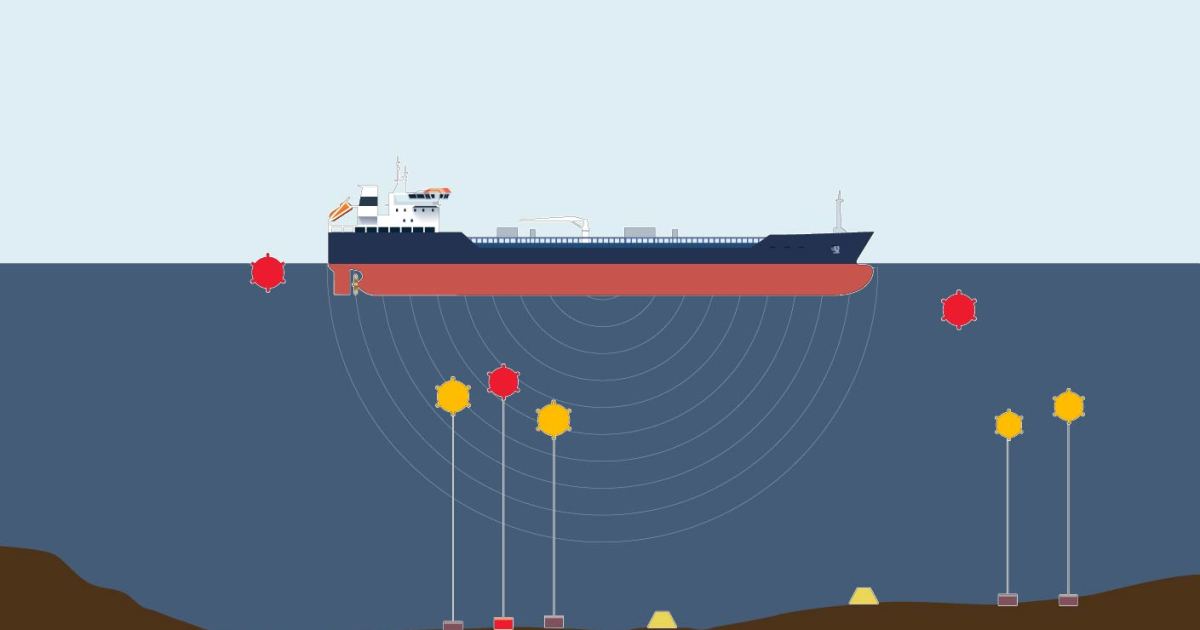
Different mines pose different problems. Bottom mines rest on the seabed and can detonate after detecting a ship’s magnetic, acoustic or pressure signature, while moored mines are anchored below the surface and can explode on contact or through sensors, Al Jazeera reported.
Drifting mines are harder to predict because tides and currents can carry them away from the place where they were released. Maritime officials have repeatedly warned about drifting mines in the Strait of Hormuz because they could enter active shipping lanes, according to Al Jazeera.
Limpet mines are smaller devices attached directly to a ship’s hull, usually with magnets or clamps. Al Jazeera reported that they often use timers, allowing those who attach them to leave before an explosion.
How clearance teams work
Mine countermeasures usually involve either finding specific devices and destroying them or sweeping an area to trigger mines or cut them loose, Al Jazeera reported. Both methods are slow and risky.
In mine hunting, ships use sonar-equipped underwater drones and remotely operated vehicles to scan the seabed. Reuters reported that the US and allied navies increasingly use underwater drones, robots and helicopters fitted with mine-hunting sensors.
Identifying a mine can be difficult because sonar images may show rocks, wreckage, debris or discarded equipment that resemble explosives. Once a device is confirmed, Al Jazeera reported, crews can destroy it with a controlled detonation, deactivate it with divers or remotely operated vehicles, or use minesweeping methods.
Minesweeping clears suspected areas without identifying each device. Al Jazeera reported that mechanical sweeps can drag cutters through the water to sever the anchor chain of a moored mine, bringing it to the surface for destruction, while other systems imitate a ship’s magnetic and acoustic signature to set mines off early.
Reuters reported that mine-clearing in the Strait of Hormuz could continue for weeks after any reopening agreement because shipping lanes must be checked repeatedly before insurers and operators consider them safe. Al Jazeera reported that one confirmed mine can close a route, while even rumours can push up insurance costs and deter ships from entering an area.
This story draws on original reporting from Al Jazeera.