
College president frames America’s 250th as a call to citizenship
Nido R. Qubein says his immigrant experience shaped his view that America’s anniversary should prompt gratitude, self-scrutiny and civic participation.
By Daniel Okafor · Business Editor
3 min read
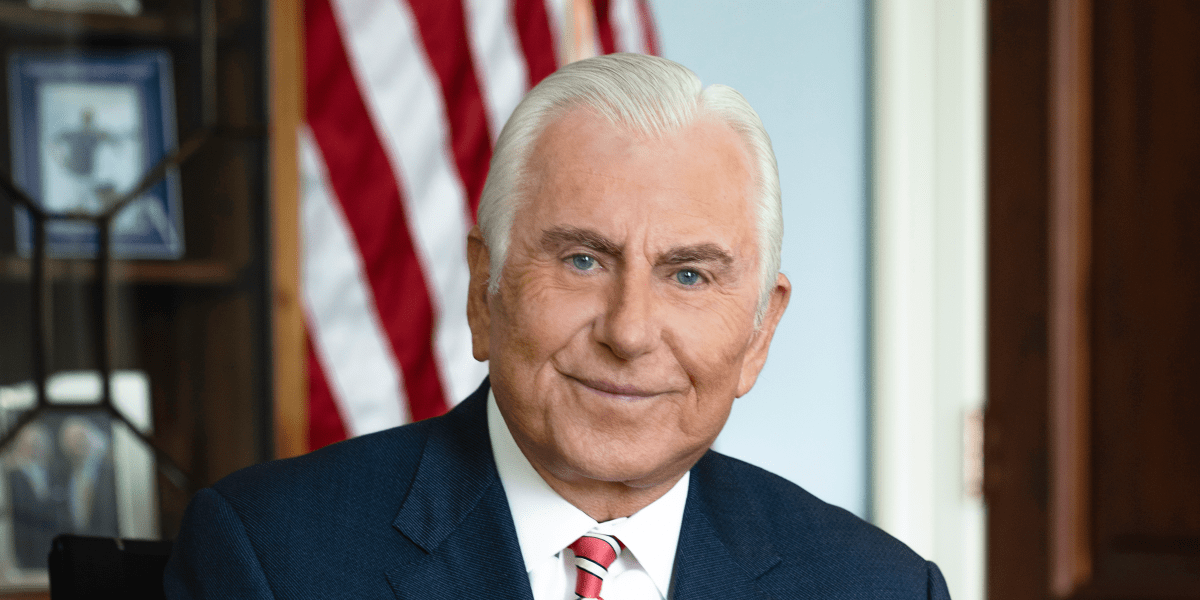
Nido R. Qubein, the president of High Point University, marked America’s 250th anniversary by arguing that citizenship requires more than celebration. In a Fortune commentary published June 25, Qubein said the milestone should push Americans to pair gratitude with participation, honesty and responsibility.
Qubein described his view through the lens of an immigrant who came to the United States as a young man with little money and limited English. He wrote that the naturalization process made him see citizenship as a commitment to the country, and he said America, in turn, created room for his ambitions.
According to Qubein, the United States did not guarantee his success but offered chances for people willing to persist and accept calculated risks. He said that after arriving, he built a career across banking, real estate, publishing and retail, later becoming an author and consultant.
Qubein also cited his service on the boards of Truist, La-Z-Boy and Savista, along with his role as executive chairman of Great Harvest Bread Company. He presented those experiences as part of a broader argument that America’s promise lies in opportunity rather than certainty.
A deliberate choice
Qubein wrote that people born in the United States inherit the country in a way immigrants do not. He said choosing the country intentionally gave him a clearer view of both its strengths and its failures.
He acknowledged that the nation has not consistently met the ideals stated at its founding. Still, Qubein argued that the Declaration of Independence continues to challenge Americans to live up to its claims about self-government, liberty and the pursuit of happiness.
Qubein said he sees public debate over the country’s values as a sign that Americans still care about them. He wrote that great nations face their failures, argue over them and, at their best, respond with action.
High Point University’s role
Qubein connected his civic argument to his work at High Point University, where he became president in 2005 at the request of the university’s board of trustees. He wrote that since then, enrollment has grown nearly 260% and net assets have increased from $56 million to more than $1 billion.
He said he wanted the university to speak openly about American identity, describing High Point as a school centered on God, family and country. Qubein also said the university hosts one of the region’s largest Veterans Day events, drawing students, faculty and community members to recognize service members.
Qubein wrote that such ceremonies serve as reminders that freedom carries a cost. He pointed to campus sculptures of figures including Abraham Lincoln, Rosa Parks, Harriet Tubman, Theodore Roosevelt, Thurgood Marshall and Amelia Earhart as examples of people who worked within an imperfect country to improve it.
A message to students
Qubein said High Point students will help write the next chapter of the American story as they prepare for work in business, science, medicine, education, community leadership and family life. He said the university’s call to action is to choose to be extraordinary.
For Qubein, the anniversary is less a conclusion than an obligation. He wrote that Americans owe the country civic involvement, candor and a willingness to do the work of self-government, especially for the next generation.
This story draws on original reporting from Fortune.