
Turkiye-Iraq oil deal could send Ankara up to 1 million barrels a day
Erdogan says Iraq offered major oil supplies as Turkish Petroleum moves to buy a 15% stake in BP’s Kirkuk field company.
By James Whitfield · Staff Writer
3 min read
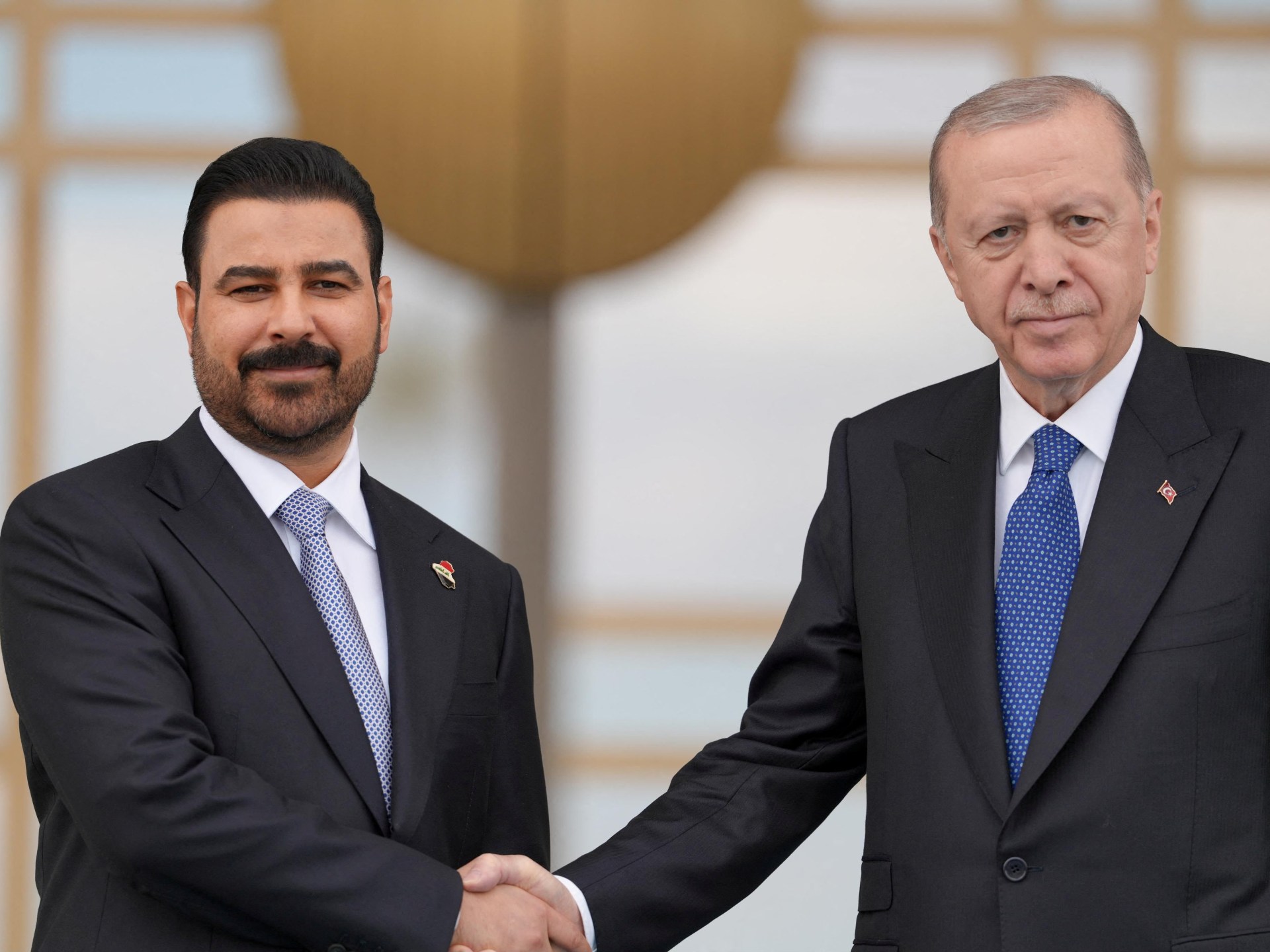
Turkiye’s Iraq oil deal could bring Ankara as much as 1 million barrels per day from its southern neighbor, Turkish President Recep Tayyip Erdogan said after talks with Iraqi Prime Minister Ali al-Zaidi in Ankara.
Erdogan said state-owned Turkish Petroleum, known as TPOA, would take a 15% stake in BP Energy Company of Kirkuk Limited through a separate share-transfer agreement. He said al-Zaidi had offered to supply Turkiye with 1 million barrels per day, adding that such a transfer from Iraq would meet Turkish needs.
Al-Zaidi visited Turkiye for talks on security, trade, transport, water management and energy, according to the account of the meeting. The discussions came as the long-running Iraq-Turkiye crude oil agreement expired on July 27.
What is the Turkiye-Iraq oil deal?
The deal centers on Turkish Petroleum buying into BP’s Kirkuk-related company and Iraq potentially sending up to 1 million barrels of oil per day to Turkiye, according to Erdogan. It also fits into Ankara’s push for a broader energy cooperation framework with Baghdad rather than a straight renewal of the expired crude oil agreement.
The 1975 Iraq-Turkiye crude oil agreement put into operation the Kirkuk-Ceyhan Oil Pipeline, which carries Iraqi crude to the Turkish Mediterranean port of Ceyhan. That route has been central to oil trade between the two countries.
Turkiye has said it wants a new framework for energy cooperation with Iraq after the previous agreement lapsed. Erdogan’s comments signaled that Ankara sees Iraqi oil supplies and a stake in the Kirkuk field structure as part of that replacement arrangement.
Why is Kirkuk-Ceyhan important?
The Kirkuk-Ceyhan pipeline links oil production in northern Iraq to export infrastructure on Turkiye’s Mediterranean coast. For Baghdad, the route offers a way to move crude through Turkiye; for Ankara, it strengthens its position as an energy transit point and buyer.
Mehmet Celik, editorial coordinator for Daily Sabah, told Al Jazeera that the agreement reaches beyond energy. He said Turkiye is seeking to diversify its energy supplies and that Iraq also connects to Ankara’s security concerns and the Development Road transport project.
Celik said the situation around the Strait of Hormuz had made alternative energy and trade routes proposed by Turkiye more attractive. According to the report, the US-Israel war on Iran that began in February and the closure of the Strait of Hormuz increased Ankara’s importance for Baghdad, which urged Turkish authorities to resume oil exports through the Iraq-Turkiye pipeline after years of suspension.
Security remains part of the talks
Energy was not the only issue between Erdogan and al-Zaidi. The two governments also discussed security, a sensitive subject because of Turkish military operations against the Kurdistan Workers’ Party, or PKK, in northern Iraq.
Turkiye, the United States and the European Union designate the PKK as a terrorist group. Military estimates cited in the report say Turkiye has about 50 bases of different sizes in the northern Iraqi areas of Erbil, Duhok and Nineveh, with roughly 5,000 soldiers and weapons stationed there.
The PKK announced in mid-2025 that it would disarm under a peace deal with Ankara aimed at ending four decades of conflict with the Turkish state. Erdogan said at the news conference that Turkiye remained in close contact with Iraq to advance what he called a “terror-free Turkiye” and a “terror-free region.”
This story draws on original reporting from Al Jazeera.