
Trump new tariffs target imports from 60 countries
The US is applying 10% to 12.5% duties over forced-labor enforcement as temporary worldwide tariffs expire.
By Daniel Okafor · Business Editor
3 min read
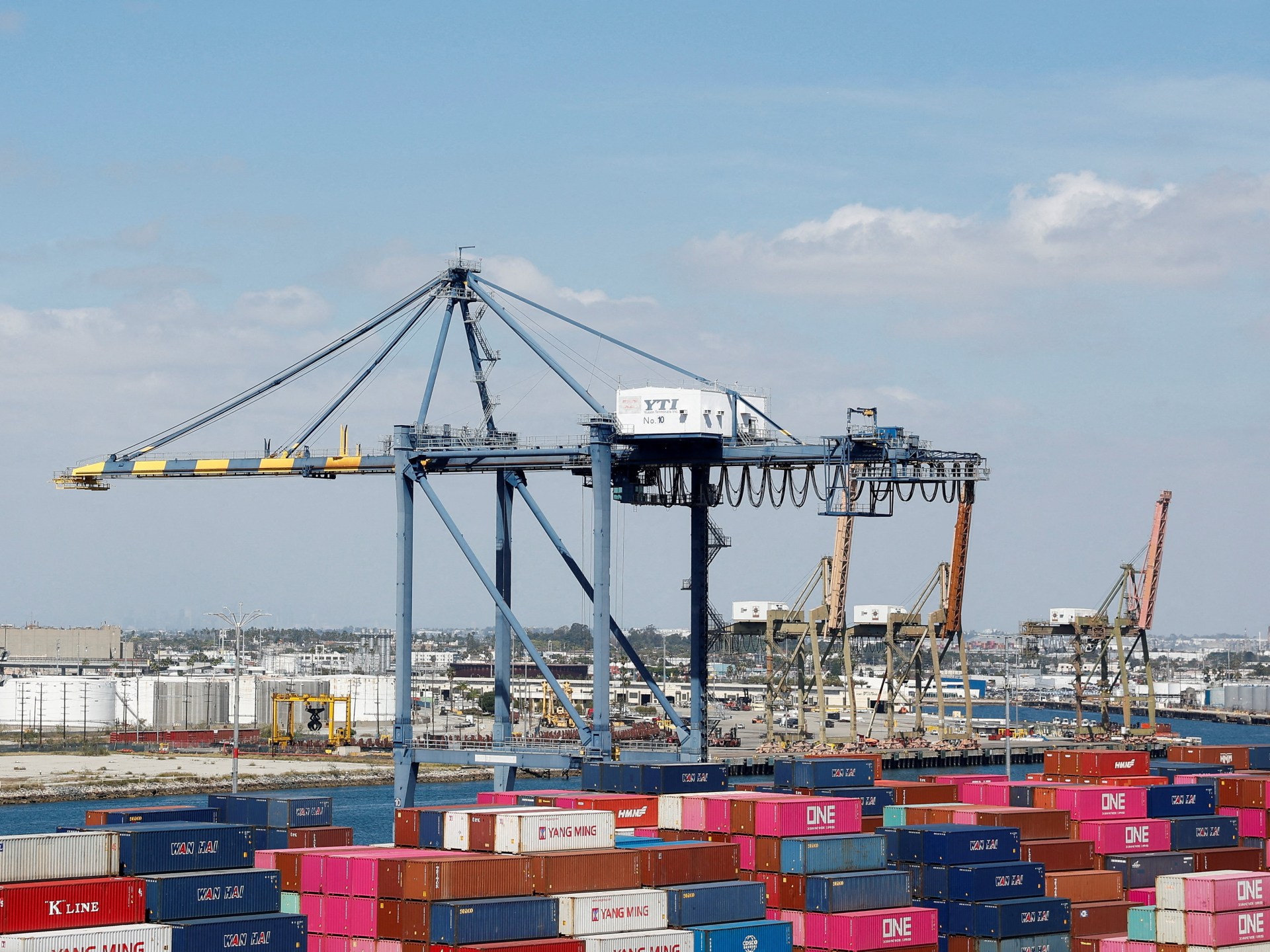
Trump new tariffs are set to hit imports from 60 countries, with duties of 10% to 12.5% tied to how those governments enforce bans on goods made with forced labor, according to The Associated Press. The move matters because the countries covered account for 99% of US imports, putting a broad slice of trade under new pressure.
The tariffs take effect as temporary 10% worldwide levies expire at 12:01 a.m. Friday in Washington, DC, AP reported. President Donald Trump had used those stopgap duties after the US Supreme Court struck down a wider set of tariffs in February.
What are Trump’s new tariffs?
The new tariffs are import taxes imposed under Section 301 of the Trade Act of 1974, AP reported. That law allows a president to impose duties or other sanctions when countries are found to use trade practices considered unjustifiable, unreasonable or discriminatory.
The administration says the action is aimed at countries that have not done enough to enforce forced-labor import bans. US Trade Representative Jamieson Greer said Thursday that the United States has enforced such a ban for nearly a century and that other trading partners should do the same, according to AP.
Greer also said the tariffs are intended to address both a human rights abuse and a trade practice that distorts competition. The duties range from 10% to 12.5%, AP reported.
Why is Trump using Section 301?
Trump turned to Section 301 because earlier tariff efforts faced legal limits. The Supreme Court ruled in February that the International Emergency Economic Powers Act, known as IEEPA, did not authorize the broad tariffs Trump had imposed after declaring the long-running US trade deficit a national emergency, AP reported.
That ruling required the administration to refund importers that had paid the struck-down duties. Trump then used Section 122 of the Trade Act of 1974 to impose temporary 10% worldwide tariffs, but AP reported that those levies can last only 150 days, a period that ends Friday.
Section 301 has a record in Trump’s trade policy. During his first term, he used it to place major tariffs on China, and those measures withstood legal challenges, according to AP.
More tariff actions may follow
Greer’s office has opened another Section 301 investigation involving 16 countries, AP reported. Those countries account for 70% of US imports, and the inquiry is examining whether they have overproduced goods in ways that push down prices and disadvantage US companies in global markets.
The administration has not finished that investigation. AP reported that additional Section 301 tariffs are considered likely if the probe results in findings against those countries.
Trump has argued that high tariffs will help revive US manufacturing. AP reported that last year he moved away from decades of US policy that favored lower tariffs and freer trade, making import duties a central part of his economic approach.
This story draws on original reporting from Al Jazeera.