
Trump forced labor tariffs draw objections from U.S. allies
Australia, the EU and other trade partners rejected Trump’s forced-labor rationale for new tariffs of 10% to 12.5%.
By James Whitfield · Staff Writer
3 min read
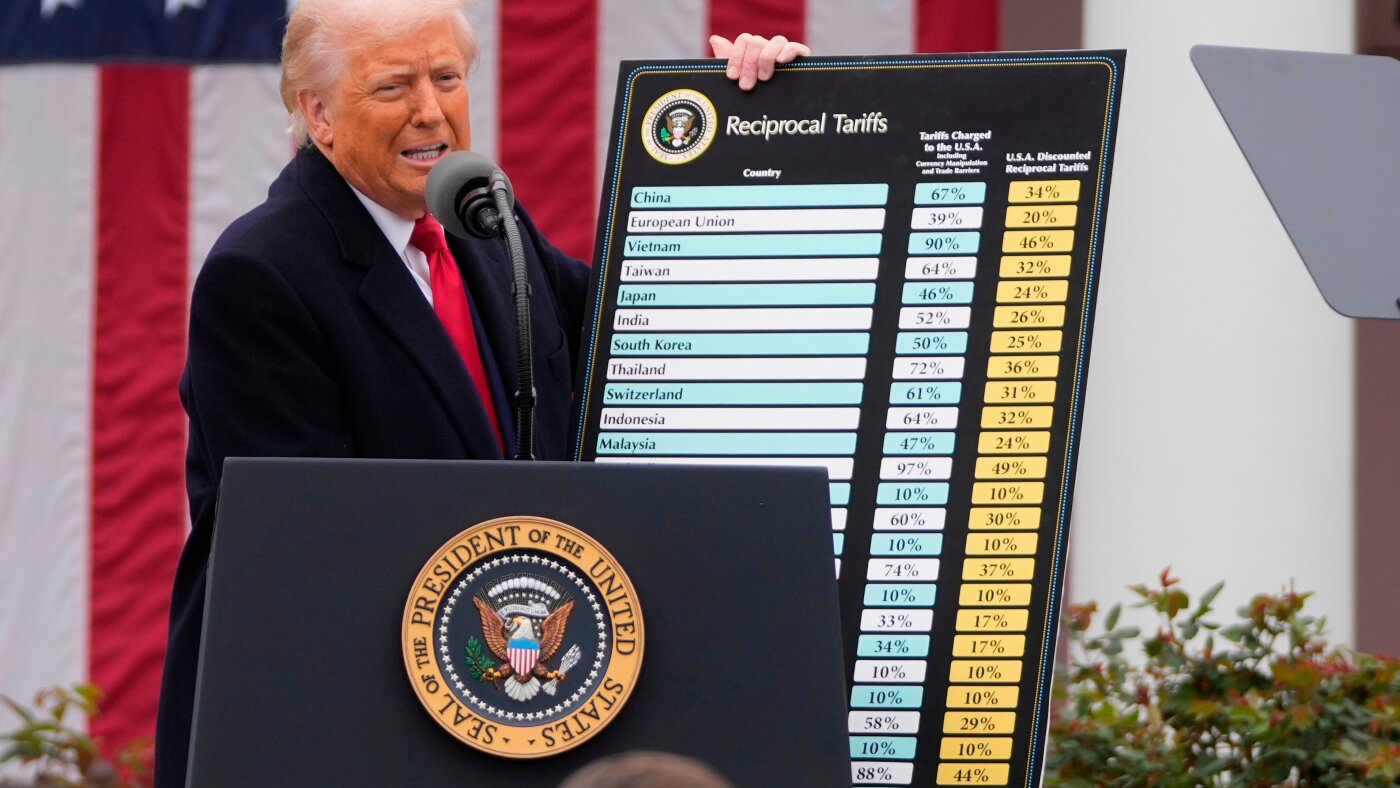
Trump forced labor tariffs drew sharp objections Friday from several U.S. trade partners after President Donald Trump renewed duties on more than 60 countries as earlier tariffs expired, NPR reported. The new penalties affect goods imported into the United States from targeted countries and range from 10% to 12.5%.
Trump cited weak enforcement of bans on goods made with forced labor as the reason for restoring the tariffs, according to NPR. Australia and the European Union rejected that rationale, while other governments warned the duties would raise costs and add uncertainty for companies.
The dispute follows a U.S. Supreme Court ruling earlier this year that found many tariffs imposed under emergency powers were illegal, NPR reported. The latest round keeps trade pressure on allies and major partners even as several governments say the forced-labor accusation lacks support.
Why did Trump impose new tariffs?
Trump said the tariffs were tied to what he described as lax enforcement of bans on forced-labor goods, NPR reported. Forced labor refers to work extracted under coercion or threat; many countries restrict imports made under such conditions, though the governments hit by the new duties disputed the U.S. claim that their systems are inadequate.
Australian Trade Minister Don Farrell said the 12.5% tariff on Australian exports was “unjustified” and called the decision “extremely disappointing.” In comments published by his office, Farrell said Australia takes modern slavery seriously and has “some of the most progressive legislation anywhere in the world,” then urged Washington to reverse the move.
New Zealand Prime Minister Christopher Luxon also criticized the tariffs. In a post on X, he said the U.S. investigation did not produce meaningful evidence backing forced-labor claims and said tariffs increase costs and uncertainty for businesses.
How did Europe and Britain respond?
European Union foreign policy chief Kaja Kallas questioned the basis for the U.S. action in comments to Reuters. She pointed to European labor protections, including paid vacation and broader working conditions, and said the charge was not well grounded.
The British government gave a more muted response because its exports were already facing a 10% rate, describing the latest move as “no negative change,” NPR reported. A government spokesperson still said Britain takes forced labor “very seriously” to ensure U.K. businesses are not complicit in global supply chains.
NPR reported that former Prime Minister Keir Starmer had struck a U.S. trade arrangement that left Britain with lower tariff rates than many countries. It also reported that King Charles III secured a reduction of the U.S. tariff on Scotch whisky to zero during an April White House visit.
What did Asian governments say?
Japan’s Chief Cabinet Secretary Minoru Kihara said Tokyo had been reassured by the Trump administration that Japan would not face additional tariffs, according to Japan’s Foreign Ministry. He called it regrettable that tariffs were imposed over what he described as the absence of measures banning forced-labor imports, despite Japan’s industry and trade being in line with international rules.
China, described by NPR as the world’s second-largest economy, was hit with a 12.5% tariff. Foreign Ministry spokesperson Lin Jian told a regular press briefing that tariff wars and trade wars do not serve the interests of any side.
This story draws on original reporting from NPR.