
Trump forced labor tariffs hit dozens of US trading partners
New US tariffs of 10% to 12.5% target trading partners accused of weak forced-labor import enforcement.
By Daniel Okafor · Business Editor
3 min read
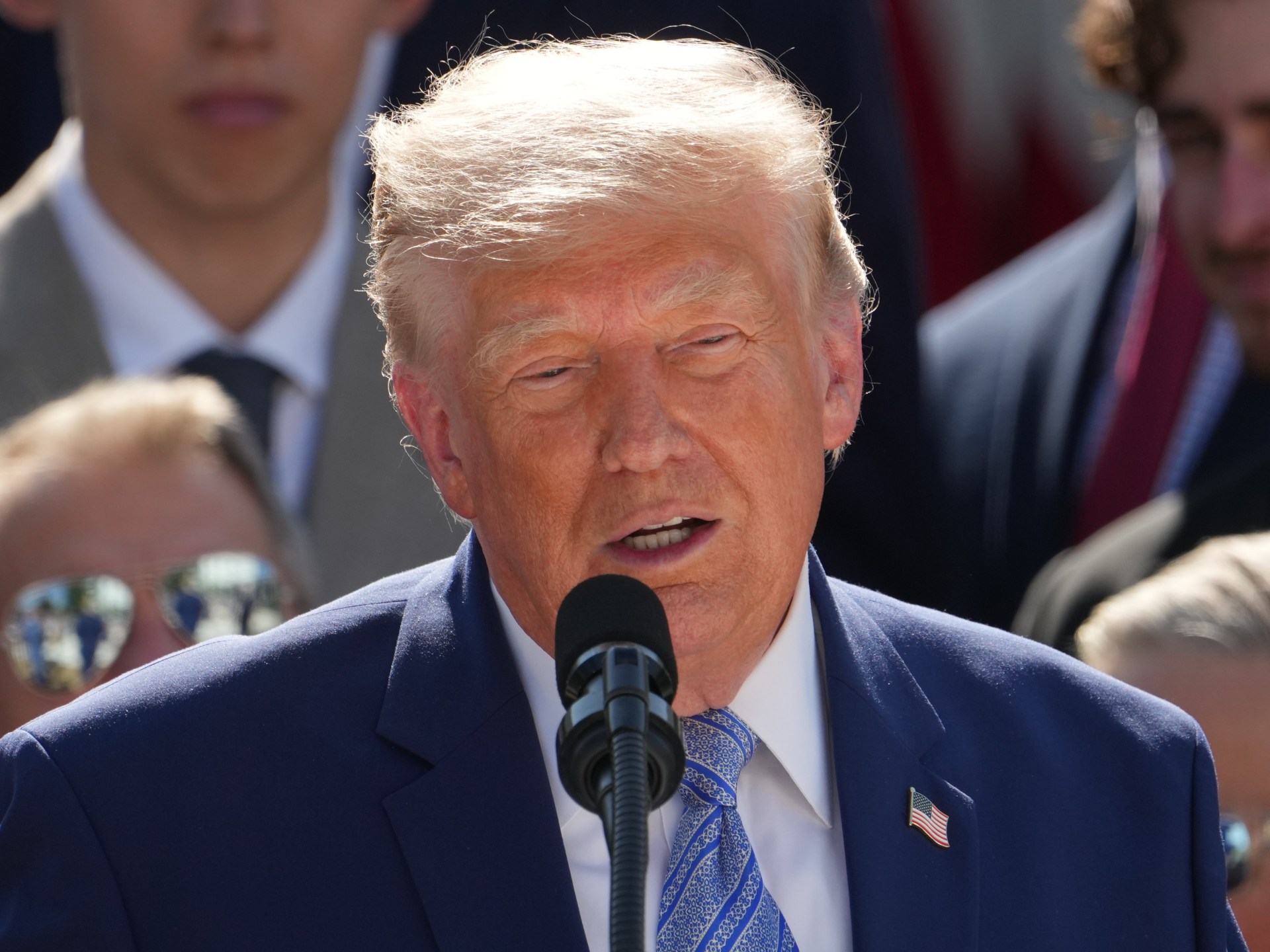
President Donald Trump has imposed forced labor tariffs of 10% to 12.5% on imports from dozens of US trading partners, according to the Office of the US Trade Representative. The Trump forced labor tariffs preserve broad import taxes after temporary global levies expired early Friday in Washington.
The USTR said the measures apply to 60 countries that account for 99% of US imports. It accused those trading partners of failing to enforce bans on goods made with forced labor strongly enough.
US Trade Representative Jamieson Greer said the United States has enforced a forced-labor import ban for close to a century and said other countries should do the same. Greer said the action was meant to address both human rights abuse and trade practices that distort markets.
Which countries face Trump forced labor tariffs?
A Federal Register notice listed the countries and economies covered by the new duties. They include:
- Algeria, Angola, Argentina, Australia, the Bahamas, Bahrain, Bangladesh, Brazil, Cambodia, Chile, Colombia, Costa Rica, the Dominican Republic, Egypt, El Salvador, Guatemala, Guyana and Honduras.
- China, Hong Kong, India, Iraq, Israel, Japan, Jordan, Kazakhstan, Kuwait, Libya, Malaysia, Morocco, New Zealand, Nicaragua, Nigeria, Norway, Oman, Peru, the Philippines, Qatar and Russia.
- Saudi Arabia, Singapore, South Africa, South Korea, Sri Lanka, Switzerland, Taiwan, Thailand, Trinidad and Tobago, Turkiye, the United Arab Emirates, the United Kingdom, Uruguay, Venezuela, Vietnam, Canada, Ecuador, the European Union, Indonesia, Mexico and Pakistan.
The rates differ by whether countries have laws barring imports made with forced labor. Countries including India, Pakistan and Argentina face a 10% tariff because they have such laws, while countries including China and the United Kingdom face a 12.5% tariff because they do not, according to Al Jazeera.
The duties took effect at 12:01 a.m. Friday in Washington, or 04:01 GMT. That was when Trump’s temporary 10% worldwide tariffs expired.
What is Section 301?
Section 301 of the Trade Act of 1974 allows the president to impose tariffs and other penalties on countries found to use unjustifiable, unreasonable or discriminatory trade practices. Trump used the same authority for major tariffs on China during his first term, and those measures survived legal challenges, according to Al Jazeera.
The administration turned to Section 301 after a Supreme Court defeat limited an earlier tariff strategy. Trump had used the International Emergency Economic Powers Act of 1977 to impose double-digit tariffs on nearly all countries, arguing that the US trade deficit amounted to a national emergency.
The Supreme Court ruled in February that the emergency-powers law did not authorize those tariffs. The ruling required the administration to refund importers that had paid them.
Trump then used Section 122 of the Trade Act of 1974 to put 10% tariffs in place worldwide. That authority lasts only 150 days, and the deadline ran out at the start of Friday.
John Diamond, director of the Center for Tax and Budget Policy at Rice University’s Baker Institute, told Al Jazeera the administration appeared to be seeking a replacement authority for the expiring tariffs. He said it was hard to believe more than 60 major trading partners were relying heavily on forced labor, but he did not expect courts to reject the Section 301 tariffs as they had rejected the emergency-powers tariffs.
More Section 301 tariffs may follow. Greer’s office has opened an investigation into whether 16 countries, which account for 70% of US imports, have overproduced goods in ways that lowered prices and hurt US companies in global markets. That inquiry has not been completed.
This story draws on original reporting from Al Jazeera.