
Sudanese students in CAR try to rescue futures disrupted by war
Young Sudanese refugees told Al Jazeera that war has halted degrees, split families and left them struggling to study in exile.
By Daniel Okafor · Business Editor
4 min read
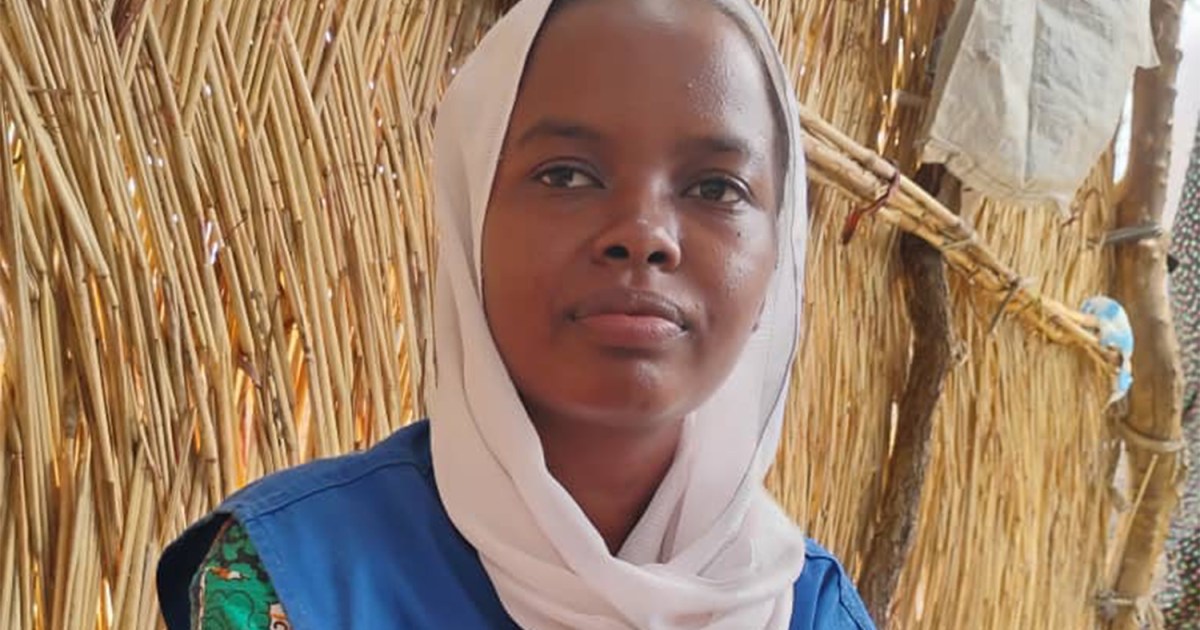
Sudanese university students who fled to the Central African Republic are trying to restart lives and degrees broken by war, Al Jazeera reported. Their accounts show how the conflict has pushed young people from classrooms into camps, where education now depends on aid, language learning and difficult family choices.
At Korsi refugee camp, 20-year-old pharmacy student Islam Ibrahim told Al Jazeera she left Sudan after her father was killed during the siege of el-Fasher. She fled with her mother and six sisters, leaving behind her studies and later using the medical knowledge she had gained to assist newly arrived women and girls in the camp, according to the broadcaster.
Ibrahim said her uncles have come to the camp pressing the family to return to Sudan so her mother can deal with her late father’s inheritance, Al Jazeera reported. She said she fears a return would put the family back in danger and expose her and her sisters to pressure to marry relatives.
“I only want to go back to Sudan if it’s to continue my education,” Ibrahim told Al Jazeera. “I don’t want to go back to Darfur to divide my father’s inheritance.”
Years out of class
Al Jazeera said it interviewed more than 30 Sudanese university students over several days at Korsi. Most were in their 20s and came from Amdafock, a Darfur border town that first became a refuge for families escaping violence and later a place many fled from as conditions worsened, according to the report.
Many students expected their displacement to be short and thought they would return home to finish their degrees, Al Jazeera reported. The broadcaster said that hope has faded as Sudan’s war has continued and as Amdafock was recently taken by fighters from the Seleka rebel coalition operating across the border in the Central African Republic.
The disruption is part of a broader educational split, according to Al Jazeera. The broadcaster reported that millions of pupils and university students in Darfur and other areas held by the Rapid Support Forces have gone more than three years without regular schooling or access to nationally recognised exams, while many students in areas controlled by the Sudanese army have gradually returned to class and sat exams despite interruptions.
UNHCR support has helped dozens of Sudanese refugees obtain places at the University of Bangui, Al Jazeera reported. But students who studied in Arabic now have to work in French, while also dealing with money shortages and the strain of displacement, according to the report.
Gamar el-Shaikh, a sociology student at the University of Bangui, told Al Jazeera that students had promised relatives they would come back with degrees. She said the conditions they now face make that promise feel almost impossible to keep.
Families split by study
Baderelddian Issa told Al Jazeera his family fled after his father, an imam in Amdafock, was targeted by the RSF for criticising the group in mosque sermons. He is trying to continue his education in the Central African Republic while the chance of returning home recedes, according to the broadcaster.
Intisar el-Sadig told Al Jazeera she lost her husband in the war and fled with her young child. After UNHCR secured her a university place in Bangui, she left her three-year-old son with her mother in Korsi so she could keep studying, returning when she can.
Another student, identified by Al Jazeera as Ahmed, said he had been studying law and wanted to become a judge before the war. He told the broadcaster that his father, a Sudanese army officer, was killed in el-Fasher and that RSF fighters later attacked the family in Nyala, where his mother’s arm was broken during a beating.
Ahmed told Al Jazeera his studies are now suspended and that survival has replaced many of his earlier plans. Through tears, he described his peers as “the lost generation of Sudan” and said the war had taken everything from them.
This story draws on original reporting from Al Jazeera.