
Yemen truce strains as Hodeidah attack and airport dispute widen
Fresh fighting, an Iran-linked flight dispute and a stalled prisoner swap are raising pressure on Yemen’s fragile 2022 truce.
By Daniel Okafor · Business Editor
4 min read
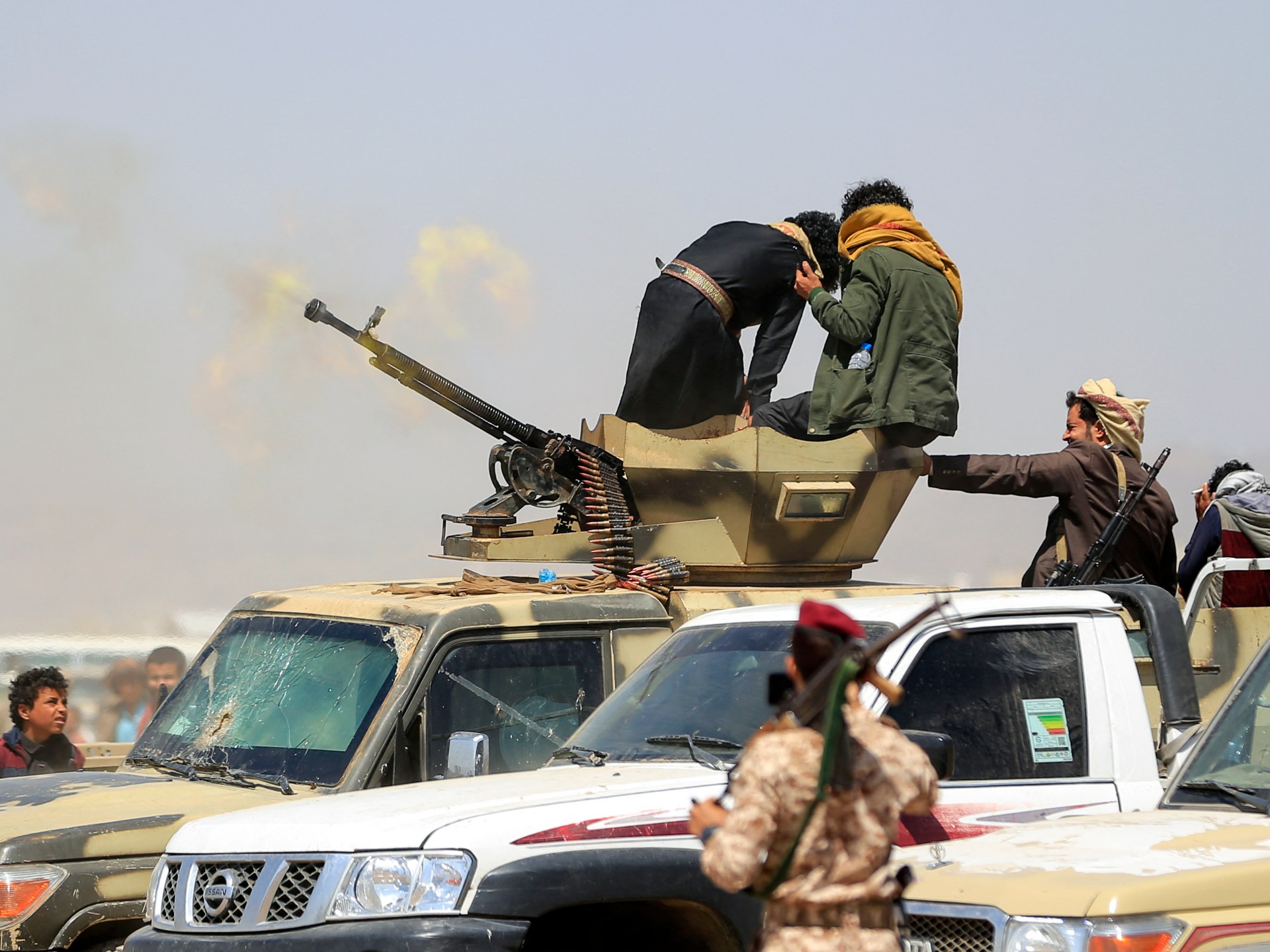
Yemen’s fragile pause in fighting is under new strain after a deadly Houthi attack in Hodeidah, a dispute over flights between Sanaa and Tehran, and the indefinite delay of a major prisoner exchange. Al Jazeera reported that the developments have not yet shown a move toward a broad war, but they have exposed the limits of the 2022 truce.
The Houthis, who have held Sanaa and large parts of northern Yemen since 2014, have increased pressure on several fronts while Yemen’s internationally recognized government, Saudi Arabia and international actors weigh their response, according to Al Jazeera. The tensions come as peace efforts remain stalled and no agreement has been reached on steps to reduce escalation.
Deadly fighting near the Red Sea
Hays district in Hodeidah governorate has become one of the main flashpoints. On July 5, Houthi forces attacked government positions with mortars, drones and sniper fire, killing 16 government soldiers and wounding 22, according to medical and military sources cited by Al Jazeera.
The Houthis did not release their own casualty figures or give a detailed account of how the fighting started. Al Jazeera reported that Hays had been relatively quiet since the truce, making the violence there more significant because the district sits near the Red Sea coast and shipping routes.
Military mobilization has also been reported in Marib, Taiz and al-Dhale. In al-Jawf, a dispute over a house in Sanaa grew into tribal unrest after Houthi authorities detained Sheikh Hamad bin Rashid bin Fadgham al-Hazmi, who had intervened under tribal custom, according to Al Jazeera.
That detention prompted calls for a tribal mobilization known as a “nakaf” and gatherings called the “al-Rayyan sit-ins,” Al Jazeera reported. Al-Jawf’s position near Marib gives any prolonged unrest there military and tribal weight for the Houthis.
Airport dispute and prisoner deal stall
The Red Sea has added another point of concern. The British military said on July 5 that a cargo ship was attacked off Hodeidah without casualties; no group claimed responsibility, Al Jazeera reported. The incident occurred near Houthi-controlled territory as the group renewed threats involving maritime traffic.
A separate dispute has centered on Sanaa airport. Al Jazeera reported that an Iranian aircraft arrived there on July 3 to take a Houthi delegation to the funeral of the late Iranian Supreme Leader Ayatollah Ali Khamenei.
Yemen’s internationally recognized government later said Iran requested a Mahan Air flight from Tehran to Sanaa to bring the delegation back. The government rejected that request and proposed using a Yemenia Airways-chartered plane instead, according to Al Jazeera.
Some Houthi leaders argued that Mahan Air flights should continue as part of their right to run the airport and open direct routes abroad, Al Jazeera reported. Saudi Arabia is affected by the dispute because direct Sanaa-Tehran flights would alter the security and political arrangements tied to the truce-era reopening of the airport, according to the report.
The prisoner file has also stalled. Hadi Haig, head of the government team handling prisoners and abductees, said on July 10 that the International Committee of the Red Cross and the office of the United Nations envoy had notified his team that the Houthis refused to carry out the exchange as scheduled and postponed it indefinitely.
Abdulqader al-Murtada, who heads the Houthis’ Prisoners Affairs Committee, blamed the government side for the delay, accusing it of failing to follow the agreement and rejecting additions to the list, Al Jazeera reported. The deal covers more than 1,600 detainees and requires field arrangements and an air bridge supervised by the ICRC.
Al Jazeera reported that regional tensions, including the US-Israel war on Iran and strained Houthi-Saudi relations, have given the Houthis more room to apply political and military pressure while the government struggles to assert sovereignty. Saudi Arabia is trying to contain the Houthi threat while preserving de-escalation gains, according to the report.
For now, limited clashes and mobilization are expected to continue, Al Jazeera reported. Repeated attacks and failed negotiations could erode the relative calm that has held since 2022 if the war’s underlying disputes remain unresolved.
This story draws on original reporting from Al Jazeera.