
Gaza hospitals struggle as power cuts disable critical equipment
Al-Aqsa Martyrs Hospital is relying on strained generators as fuel and parts shortages disrupt surgery, intensive care and basic treatment, Al Jazeera reports.
By Sofia Marchetti · World Affairs Correspondent
3 min read
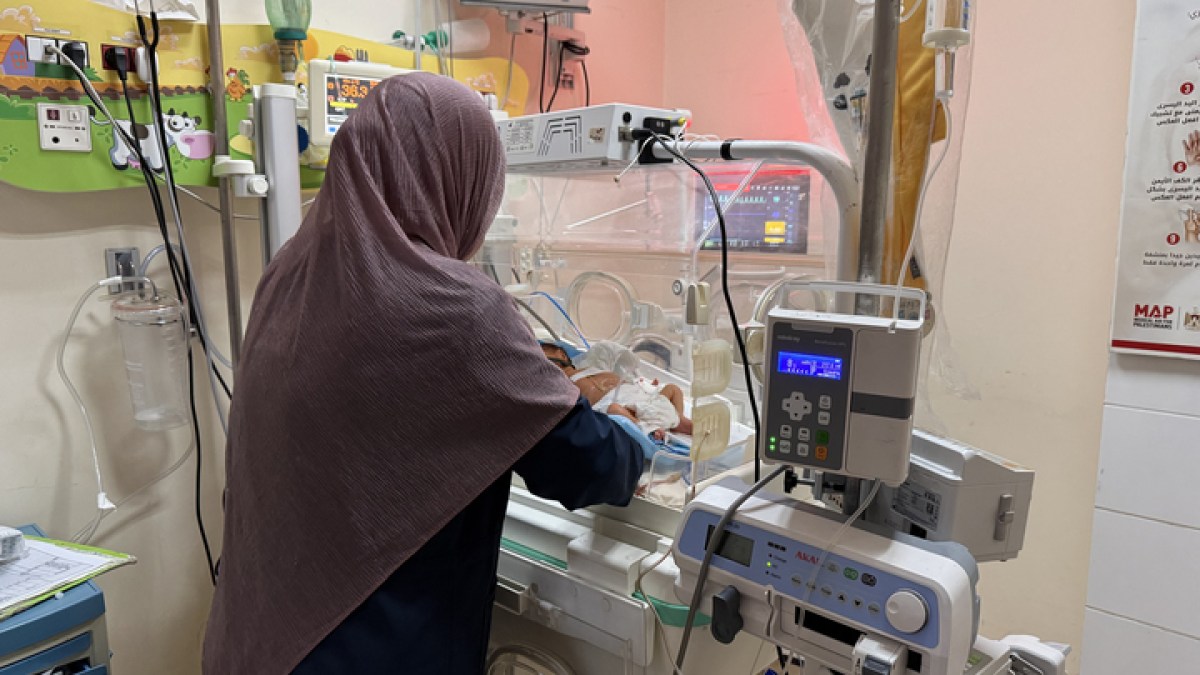
Power failures are disrupting hospital care in Gaza, leaving doctors unable to run essential equipment as Israeli attacks continue, according to Al Jazeera. At Al-Aqsa Martyrs Hospital in Deir el-Balah, staff said shortages of fuel, spare parts and functioning generators have delayed treatment and threatened emergency care.
Al Jazeera reported the case of Omar Abu Atwa, a 30-year-old driver who was injured by an explosion in central Gaza last month while walking home from work. He was taken to Al-Aqsa Martyrs Hospital with a hand injury, but the electricity failed while he waited for an X-ray, putting medical devices, including the X-ray machine, out of use.
Abu Atwa told Al Jazeera he waited six hours in pain before leaving without the scan or adequate treatment. He said other patients, including children, older people and wounded people, were also waiting for tests or asking when power would return so their care could resume.
According to Al Jazeera, Israeli bombardment since October 7, 2023, has destroyed or put out of service 38 hospitals and 96 primary healthcare centres in Gaza. The outlet also reported that about 90 percent of Gaza’s power lines have been destroyed, leaving hospitals dependent on generators.
Those generators now face their own crisis. Al Jazeera reported that Israel’s blockade has sharply restricted fuel supplies needed to run equipment such as ventilators, incubators and monitoring systems. The report said hospitals have also used non-original engine oils because of the blockade, contributing to generator failures or weaker performance.
Al Jazeera said Israel has continued near-daily air raids in Gaza and reported that at least 1,092 people have been killed and 3,507 injured since a ceasefire came into effect in October 2025.
Generators under strain
At Al-Aqsa Martyrs Hospital, most main generators stopped working in early May 2026, Al Jazeera reported. The hospital has since relied on secondary generators, solar power and reductions in services while doctors and nurses handle new casualties and disease cases.
Surgeon Omar al-Ashtal told Al Jazeera that unstable power has made it difficult to provide essential care, especially in operating rooms. He said medical teams have had to shorten or postpone major procedures until steadier electricity is available, with serious consequences for patients awaiting treatment.
Al-Ashtal said the problem includes damaged generators, limited fuel and a shortage of replacement parts. He warned that the continuing crisis threatens the hospital’s ability to respond to emergencies and adds to the suffering of patients seeking care.
Al Jazeera reported that intensive care units, operating rooms, anaesthesia departments and neonatal care are among the worst affected areas. Power interruptions in those departments can endanger patients who rely on continuous support, including newborns in incubators.
The outages have also affected hospital administration. According to Al Jazeera, internet and electronic system failures have made it harder for staff to access and record patient files, follow cases and communicate between departments.
Nurse Hamza Nawas told Al Jazeera that medical teams are working under daily pressure, with conditions becoming harder at night as temperatures rise and some power-dependent services stop. He said staff are trying to keep care going despite the worsening conditions.
Omar al-Ghariz, an energy systems specialist at Al-Aqsa Martyrs Hospital, told Al Jazeera that the hospital’s generators have run continuously for months above their normal capacity. He said the strain has worn down components and increased technical failures.
Al-Ghariz said maintenance teams have used temporary repairs because of fuel and spare-parts shortages, but he warned that any sudden breakdown or fuel shortage could halt essential services. He said the hospital urgently needs new generators, replacement parts and technical support to keep operating.
This story draws on original reporting from Al Jazeera.