
Russian bankruptcies rise as war strains borrowers and banks
A European intelligence report says rising bad loans and household debt are adding pressure, though analysts doubt Russia faces a full banking crisis.
By Lucas Ferreira · Science & Environment Writer
4 min read
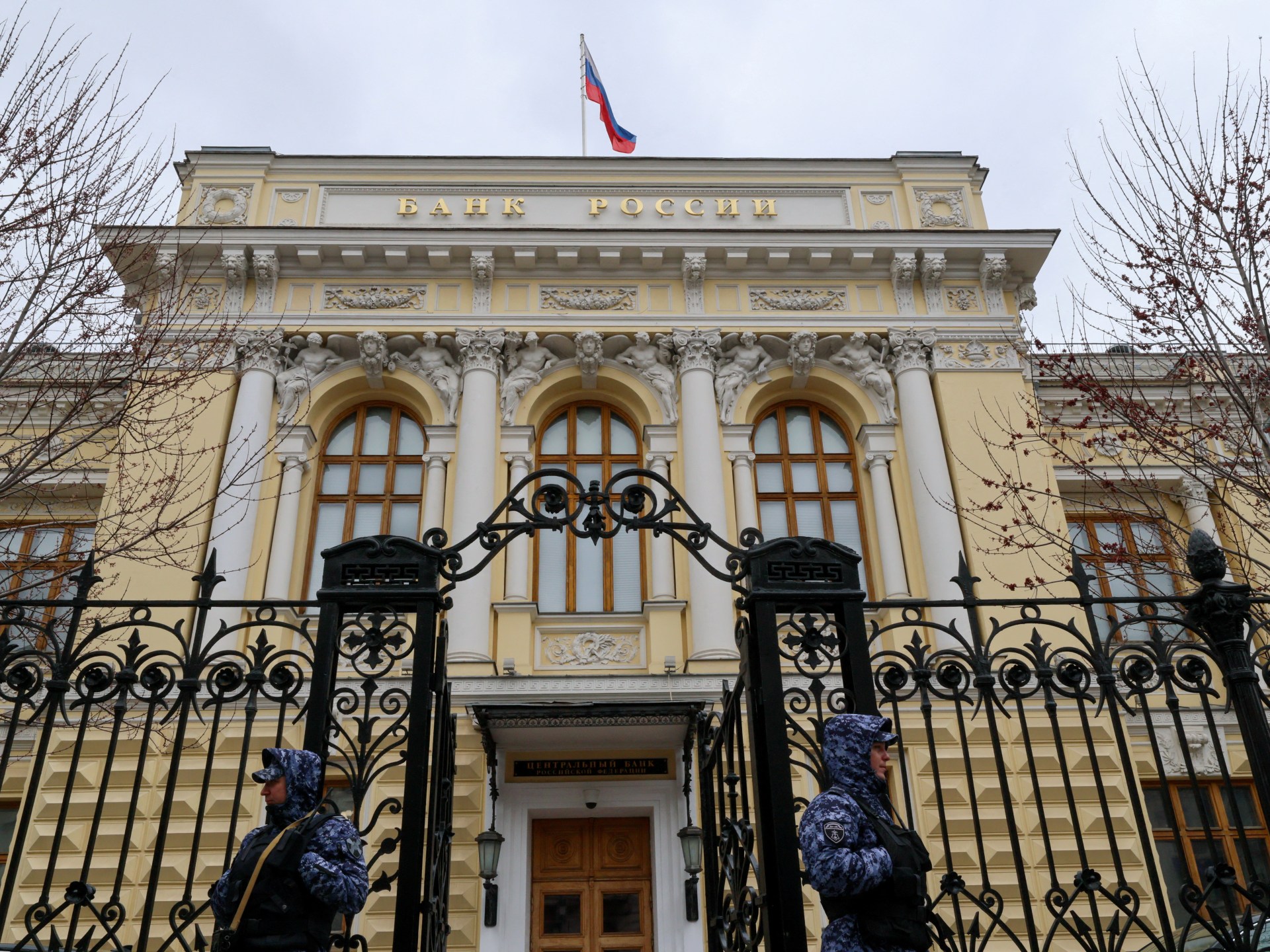
More than 500,000 Russians declared bankruptcy last year as wartime borrowing added stress to households and banks, according to a European intelligence report seen by Reuters. The figures point to growing financial strain inside Russia as Moscow keeps funding its war in Ukraine and the economy slows.
Russia’s Ministry of Economic Development has cut its 2026 growth forecast to 0.4 percent from 1.3 percent, according to Al Jazeera. The war is now in its fourth year, and the country’s economy has become more dependent on defence production, state spending and bank lending.
The European intelligence report said Russian authorities have leaned on banks to support companies and consumers while public money flows into the war effort, Reuters reported. That has led banks to issue more loans judged risky, raising the chance that borrowers will fall behind or default.
Debt pressure is rising
The report estimated that 10 percent of Russian corporate loans are now doubtful, up sharply from two years earlier, according to Reuters. It also said state-backed credit programmes have helped push more than 13 million Russians into holding three or more bank loans at the same time as they try to cover living costs.
Vladislav Inozemtsev, an associate fellow at Chatham House’s Russia and Eurasia Programme, told Al Jazeera that overdue corporate loans total about 7 trillion roubles, or $91bn. He said that equals roughly 3 percent of Russia’s GDP, estimated at $2.65 trillion, and about two years of total banking-sector profits.
Inozemtsev said more than half of overdue corporate debt is tied to defence companies or firms linked to state defence work. He told Al Jazeera those loans are likely to be supported by the state, either through repayment, continued interest payments or central bank liquidity for affected lenders.
Household debt is a separate pressure point. Inozemtsev said overdue loans to individuals total 1.7 trillion roubles, or $22bn, and that many personal bankruptcies may follow, though he said banks have already set aside reserves for some losses.
Warnings differ on bank stability
The European intelligence report warned that state-backed lending and widespread loan restructuring may be hiding deeper problems in Russian banking, Reuters reported. It said another shock, including a stronger sanctions package or more defaults on risky loans, could expose a dangerous situation.
The report also said Russian banks remain vulnerable to Western sanctions, according to Reuters. The European Union is preparing a 21st sanctions package that it aims to complete in July, with measures targeting banks and cryptocurrency networks.
Russian officials have played down the risk. Central bank Deputy Governor Filipp Gabunia said last month that weaknesses in the financial sector were “not critical,” according to Al Jazeera.
Some analysts also doubt that Russia is close to a full banking crisis. Inozemtsev told Al Jazeera that Russian banks made about $80bn to $90bn in profit across 2024 and 2025, and that sector net profit in the first five months of this year exceeded 1.9 trillion roubles, or $24.8bn.
He said the full-year profit forecast stands at 3.9 trillion roubles, or $51bn, which would be a record. Inozemtsev also said Russia’s banking system is dominated by a small number of large, heavily supervised banks, making a systemic crisis less likely even if smaller lenders fail.
War economy shows cracks
Al Jazeera reported that Russia’s wartime economy has held up better than many expected, helped by defence orders and state spending, while sanctions have restricted exports, foreign investment and access to major markets. It also reported that Russia has used a shadow fleet to keep exporting oil.
Ukrainian drone attacks have damaged Russian energy facilities, according to Al Jazeera. A Gallup poll cited by the outlet found that 60 percent of Russians believe economic conditions are getting worse, while 56 percent said living standards are deteriorating and 58 percent said it is a bad time to find a job where they live.
Inozemtsev told Al Jazeera that the war has made Russia’s economy more closed, reduced its reliance on foreign investment and weakened its links to global markets. He said rising military spending, higher taxes, falling investment and brain drain are weighing on long-term economic potential.
This story draws on original reporting from Al Jazeera.