
Damascus blasts expose security pressures on Syria’s new government
Explosions during Emmanuel Macron’s visit added to pressure on Ahmed al-Sharaa as Syria faces ISIL cells, armed factions and internal strains.
By Daniel Okafor · Business Editor
3 min read
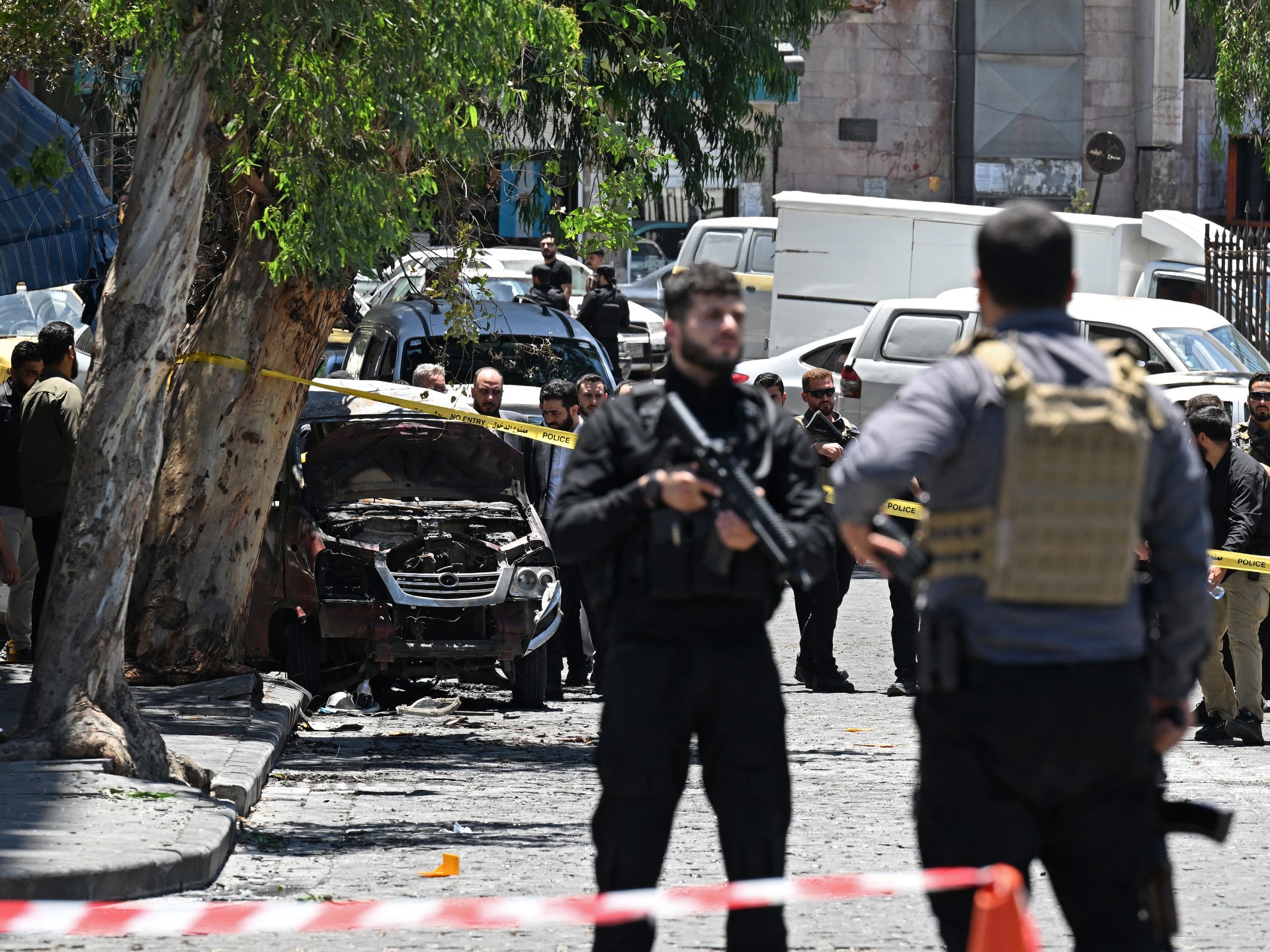
Explosions in Damascus during French President Emmanuel Macron’s visit have underscored the security pressures facing Syria’s post-Assad government. The blasts injured 18 people, according to state news agency SANA, and came as President Ahmed al-Sharaa tries to show that Syria is stable enough for diplomacy, investment and reconstruction.
Macron was the first European Union leader to visit Syria since forces led by al-Sharaa removed Bashar al-Assad from power in December 2024, Al Jazeera reported. SANA said Tuesday’s explosions took place after an initial device being handled by security forces near the French president’s hotel detonated, followed minutes later by a second blast.
The incident followed a separate bombing at a Damascus cafe last week that killed at least nine people, according to Al Jazeera. No group has been identified as responsible for the recent attacks.
ISIL remains a concern
Analysts cited by Al Jazeera said suspicion has focused on remnants of ISIL, also known as ISIS. The United Nations estimates the group still has between 1,500 and 3,000 fighters across Syria and Iraq.
Aron Lund, a fellow at Century International, told Al Jazeera that ISIL remains active and that even small cells can cause serious political damage. He said a limited number of people can build and place a bomb with consequences far beyond the size of the operation, especially when the government is trying to project normalcy.
Al-Sharaa’s administration inherited a country fractured by years of war, foreign intervention, weak state institutions and high unemployment, Al Jazeera reported. Russia, Iran and allied Shia militias backed the former government during the conflict, while other armed groups continue to operate in parts of the country.
Patchy control beyond Damascus
Nanar Hawach, a senior analyst with the Crisis Group, told Al Jazeera that Damascus formally controls most of Syria, including major cities and the northeast after a January integration agreement. He said state authority is strongest in western and central Syria and weakest near the southern border and in Druze-majority areas.
Hawach described three main challenges to the government: ISIL cells carrying out attacks inside government-held areas, former regime loyalists acting as sabotage networks, and armed actors in Suwayda and the northeast able to use force over how they are governed and integrated.
Tensions in the Druze-majority south escalated in July 2025, when fighting between Druze and local Bedouins widened into open conflict, Al Jazeera reported. Israel then shelled Suwayda after Syrian government forces entered the city, saying it was acting on behalf of the Druze.
Former regime networks have also remained active, according to Al Jazeera. Rami Makhlouf, al-Assad’s billionaire cousin, recently released a video calling for Alawite prisoners to be freed and warning the Damascus government.
Pressure from former allies
Al-Sharaa also faces strains inside his own support base. Al Jazeera reported that his 2024 advance relied heavily on fighters from Hay’at Tahrir al-Sham and other religiously inspired factions, some of whom now face unemployment and discontent as the government seeks a more moderate international posture.
Sanctions relief could help bring in foreign investment. In June 2025, the US Treasury Department said President Donald Trump waived sanctions on entities important to Syria’s development, government operations and rebuilding.
Caroline Rose of the New Lines Institute told Al Jazeera that the greatest risk to the new government may come from internal division rather than one group or individual. She said some within al-Sharaa’s former HTS circle could turn against him if grievances grow over engagement with the West.
This story draws on original reporting from Al Jazeera.