
Nigeria faces victim-rights test as militants surrender
Military pressure has driven defections in the northeast, but analysts warn reintegration could deepen anger among displaced survivors.
By James Whitfield · Staff Writer
3 min read
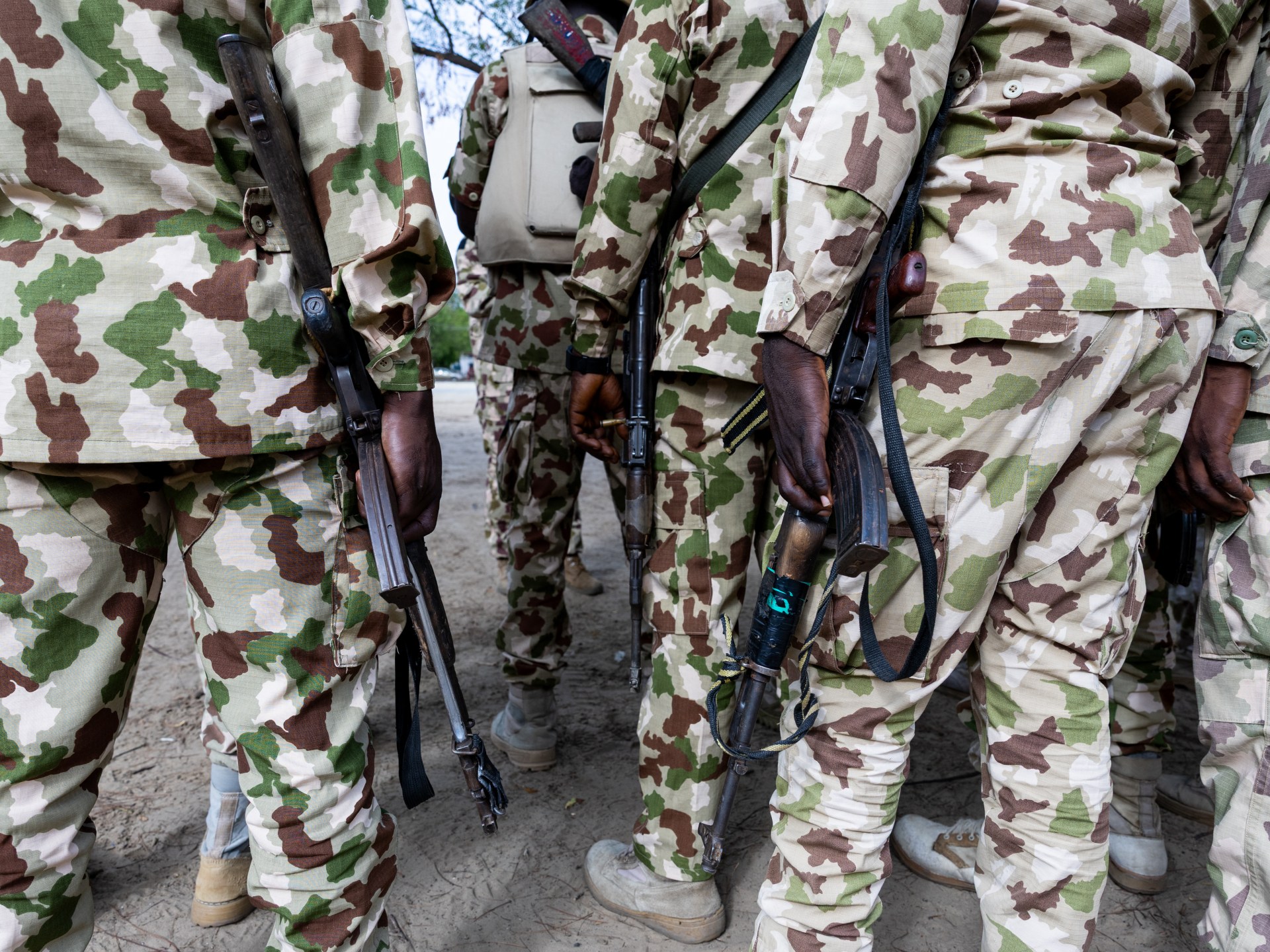
Nigeria’s military says senior commanders from armed groups have surrendered in the northeast, a development that points to pressure on insurgent factions in the Lake Chad region. Hakeem Najimdeen, chief executive of Alafarika for Studies and Consultancy, wrote for Al Jazeera that the gains also expose a serious risk: former fighters may receive support while many victims remain displaced and underassisted.
Captain Mohammed Goni, acting military information officer for Operation Hadin Kai, said on June 29 that several senior commanders had given themselves up after sustained military pressure. Goni said the surrendering figures were being kept in a secure place for profiling and debriefing.
Najimdeen said Nigeria’s security crisis has changed sharply since the Boko Haram uprising in July 2009. He wrote that a conflict once centered largely on Boko Haram in a limited area now includes Islamic State West Africa Province, Ansaru, Mahmuda, Lakurawa and smaller armed networks involved in kidnapping, robbery and banditry.
Defections and rehabilitation
Nigeria has paired military action with programmes for some people who leave armed groups. Najimdeen said Operation Safe Corridor, created in 2016, was set up to process, deradicalise, rehabilitate and reintegrate eligible low-risk people linked to those groups.
Operation Hadin Kai began in April 2021, replacing Operation Lafiya Dole, according to Najimdeen. He also cited other efforts, including joint task force operations in the northeast, Operation Desert Sanity and multinational operations such as Operation Lake Sanity.
President Bola Ahmed Tinubu said during Democracy Day events on June 12 that more than 124,000 fighters and dependants had entered the surrender process since he took office in 2023. Defence Headquarters has said more than 300,000 people surrendered between 2016 and 2025, with 2,615 graduates reintegrated after completing Operation Safe Corridor, according to Najimdeen.
Najimdeen wrote that the figures show military pressure and rehabilitation options are helping drive defections and produce intelligence for security forces. Supporters of Operation Safe Corridor see it as complementing Operation Hadin Kai and Borno State’s community-based “Borno Model,” he said.
Victims’ concerns
The same approach carries moral and security concerns, Najimdeen warned. He cited the Observatory for Religious Freedom in Africa as saying 79,323 people were killed and 34,773 abducted in terrorism-related violence in Nigeria from 2020 to 2025, while the internally displaced population reached 3.7 million.
Najimdeen said former fighters can receive counselling, schooling, vocational instruction and sometimes tools or other support after graduation. Many displaced people, he wrote, remain in camps or host communities where food, health care, education and work are scarce.
Operation Safe Corridor officials reject the view that the programme rewards people involved in terrorism, according to Najimdeen. They say surrendering individuals are screened and profiled, and that the Ministry of Justice decides who qualifies for rehabilitation and who should be prosecuted.
For survivors, Najimdeen wrote, the return of former fighters to communities where relatives were killed, abducted or assaulted can reopen trauma and create fear about whether the returnees have left violence behind. He said reports from January 2025 raised concerns that some Boko Haram and ISWAP defectors had avoided formal rehabilitation and gone straight back to communities.
Najimdeen argued that reintegration plans have given too little voice to local communities and displaced people. He said Nigeria’s surrender policy can support lasting peace only if it is matched with compensation, trauma care, community consultation and rebuilding support for those harmed by the conflict.
This story draws on original reporting from Al Jazeera.