
Iran’s battered economy faces slow repair as truce comes under strain
Fresh fighting threatens a ceasefire as economists warn Iran’s war damage, inflation and sanctions will take years to overcome.
By Daniel Okafor · Business Editor
4 min read
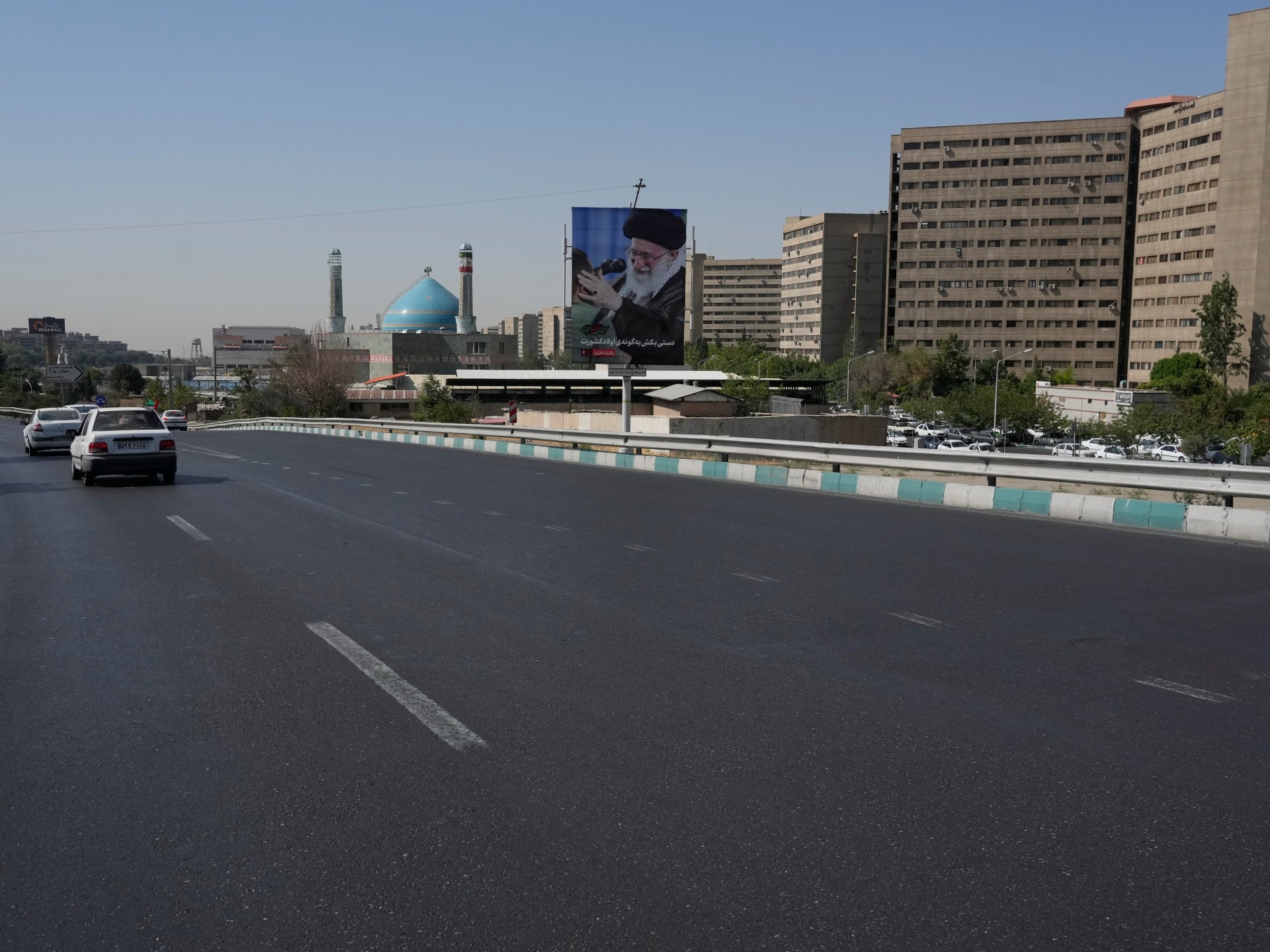
Iran’s ceasefire with the United States is under renewed pressure after attacks in the Strait of Hormuz and fresh US strikes on southern Iran, Al Jazeera reported. The flare-up comes as Iran faces a damaged economy that analysts say would take years to repair even if fighting stops and sanctions are eased.
Al Jazeera reported that Iran and the United States signed a memorandum of understanding three weeks ago to extend a ceasefire. Three tankers have been struck in the Strait of Hormuz over two days, while mediated talks aimed at ending the war are expected to resume next week after the funeral of Iran’s late Supreme Leader Ayatollah Ali Khamenei.
The US military launched large air attacks on Iran’s southern provinces on Wednesday, according to Al Jazeera. Iran’s Islamic Revolutionary Guard Corps and regular army then fired missiles and drones at US interests in Bahrain and Kuwait, and each side accused the other of breaching last month’s understanding.
Inflation and jobs pressure households
Iran’s economy was already under heavy strain from mismanagement, corruption, Western and United Nations sanctions, two wars in a year with the US and Israel, nationwide protests in January and internet shutdowns, Al Jazeera reported. Analysts cited by the outlet said a political settlement would not produce a quick recovery.
The Statistical Center of Iran reported that inflation in Khordad, the Persian calendar month that ended June 21, was 88.6 percent higher than in the same month a year earlier. Prices also rose nearly 6 percent from the previous month, according to the center.
Food prices increased almost 134 percent year on year in Khordad, the Statistical Center reported. Oils and fats rose more than 278 percent, red meat and poultry more than 178 percent, and bread and cereals nearly 139 percent.
The same agency put unemployment at 7.5 percent for the current calendar year, with labor force participation at only 40 percent. It also reported that more than 38 percent of officially employed workers work over 49 hours a week, while youth unemployment is above 20 percent.
Al Jazeera reported that the base monthly minimum wage is worth about $95 at Tehran’s open-market exchange rate. The dollar has recently traded at 1.75 million rials, close to the record low of 1.9 million rials reached in May.
War damage adds to the cost
The Central Bank of Iran said in a late June report that gross domestic product contracted 0.7 percent in the previous calendar year, which ended March 20. Gross fixed capital formation fell nearly 12 percent, imports dropped 16.6 percent and exports declined by close to 5 percent, according to the bank.
Al Jazeera reported that nearly 40 days of bombardment, a long state-imposed internet shutdown and a US naval blockade of Iran’s southern ports have worsened the downturn. The International Monetary Fund has projected a 6.1 percent contraction in Iran’s real GDP in 2026.
Mahdi Ghodsi, a senior economist at the Vienna Institute for International Economic Studies, told Al Jazeera that some job losses could be reversed if military escalation stops credibly, transport and logistics resume, energy and fuel supplies become predictable, and internet and payment systems work again. He said services, retail, transport, construction and small firms can recover faster when disruption, rather than destroyed capacity, caused layoffs.
Ghodsi also warned that recovery would be slower for factories that lost machinery, inventories, imported inputs, workers, working capital or energy access. In some cases, he told Al Jazeera, rebuilding could take years and require large investments, including foreign financing.
Al Jazeera reported that US and Israeli strikes damaged military-linked sites, nuclear facilities, industrial capacity and civilian infrastructure, including oil and gas facilities, petrochemical and steel plants, power sites, ports, airports, roads, bridges and homes. Some airports and industrial units have restarted during the recent lull, but a full recovery remains distant.
Politics complicate talks
President Masoud Pezeshkian warned at a state-organised event in Tehran last month that public anger could spill into protests if the government fails to serve citizens, Al Jazeera reported. Senior officials involved in mediated talks with Washington have presented negotiations as a route to economic relief.
Hardliners have opposed concessions, according to Al Jazeera. During Khamenei’s funeral procession in Tehran on Monday, Pezeshkian was filmed being heckled by mourners who demanded vengeance and shouted slogans against compromise.
This story draws on original reporting from Al Jazeera.