
Trump’s Iran memorandum leaves key nuclear terms for later talks
The new US-Iran framework promises sanctions relief and reconstruction funds, but analysts say its nuclear provisions remain far less detailed than the 2015 pact.
By James Whitfield · Staff Writer
4 min read
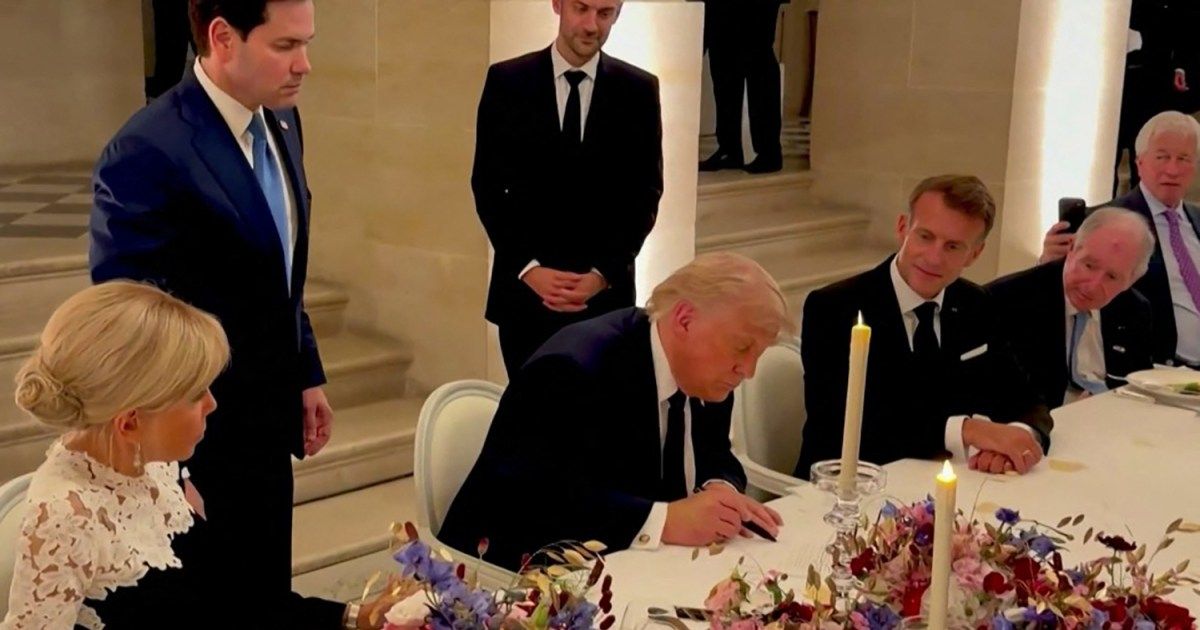
A new US-Iran memorandum has extended a path out of war while postponing the hardest nuclear questions for later negotiations. The 14-point framework, signed electronically near Paris on Wednesday, matters because it offers sanctions relief, reconstruction money and movement on the Strait of Hormuz, but analysts told Al Jazeera it is not yet comparable to the 2015 nuclear accord.
Al Jazeera reported that US President Donald Trump praised the memorandum at the G7 meeting in France and said it was better than the agreement reached under former President Barack Obama. Trump withdrew the United States in 2018 from that 2015 deal, known as the Joint Comprehensive Plan of Action, or JCPOA.
The new memorandum begins a 60-day negotiation period. Aniseh Bassiri Tabrizi of Chatham House told Al Jazeera that comparing the two arrangements now would not be fair because the memorandum is aimed mainly at extending the ceasefire, while the JCPOA set out detailed nuclear limits after years of talks.
Nuclear limits remain unresolved
The memorandum says Iran shall not procure or develop nuclear weapons and that the two sides will agree on a mechanism for handling stockpiled enriched material, according to Al Jazeera. It does not say whether Iran may continue enriching uranium, at what level, or for how long.
The JCPOA also included Iran’s pledge not to build nuclear weapons, but it went further. Al Jazeera reported that the 2015 deal allowed Iran to enrich uranium up to 3.67 percent for 15 years, a level far below the 90 percent associated with weapons production, and independent inspectors confirmed compliance before the US withdrawal.
Shahram Akbarzadeh of Deakin University told Al Jazeera that Iran’s renewed pledge is not a new commitment, saying Tehran has repeatedly stated it does not seek an atomic bomb. He said the memorandum leaves substantive questions about enrichment for later US-Iran talks.
Analysts also pointed to the structure of the two deals. Akbarzadeh told Al Jazeera that the JCPOA was a multilateral agreement with detailed monitoring and sanctions provisions, while the new memorandum is a bilateral framework between governments with little trust.
Sanctions and reconstruction
The memorandum says Washington will terminate sanctions against Iran and work with regional partners on a reconstruction and economic development plan of at least $300bn, according to Al Jazeera. It also says frozen assets should be made fully available to Iran.
That marks a sharp difference from the JCPOA, which tied sanctions relief to Iranian compliance with nuclear restrictions and did not include a reconstruction fund. Ali Alavi of SOAS University of London told Al Jazeera that sanctions relief is a priority for Tehran after weeks of war damage.
Trump previously criticized the JCPOA for giving Iran access to restricted funds, but he told reporters in France that those funds were Iran’s money and would eventually have to be returned, Al Jazeera reported. Frederic Schneider of the Middle East Council on Global Affairs said the pledge may be more symbolic than practical because many Iranian funds are held as stranded trade revenue outside direct US control, including in China and Iraq.
Hormuz and regional conflicts
The Strait of Hormuz is another major difference from the Obama-era pact. Al Jazeera reported that the JCPOA did not address the waterway, while the new memorandum says the US will start lifting its naval blockade immediately and end it within 30 days.
The memorandum also says Iran will talk with Oman about future administration and maritime services in the Strait of Hormuz. Al Jazeera reported that Iran closed the chokepoint early in the conflict, disrupting about one-fifth of the world’s oil and liquefied natural gas supplies.
Neither the memorandum nor the JCPOA directly addresses Iranian-backed groups such as Hezbollah, Hamas or the Houthis, according to Al Jazeera. The new framework does call for the immediate and permanent end of military operations on all fronts, including Lebanon, but it does not mention Israel or Hezbollah by name.
Bassiri Tabrizi told Al Jazeera that the next test is whether a final deal can give Iran enough economic incentive to reduce its sense of vulnerability. The 60-day talks will determine whether the memorandum becomes a detailed settlement or remains a ceasefire framework with major issues unresolved.
This story draws on original reporting from Al Jazeera.